Jean-Baptiste Lully
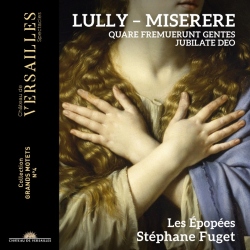
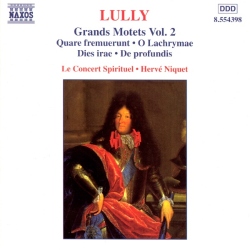
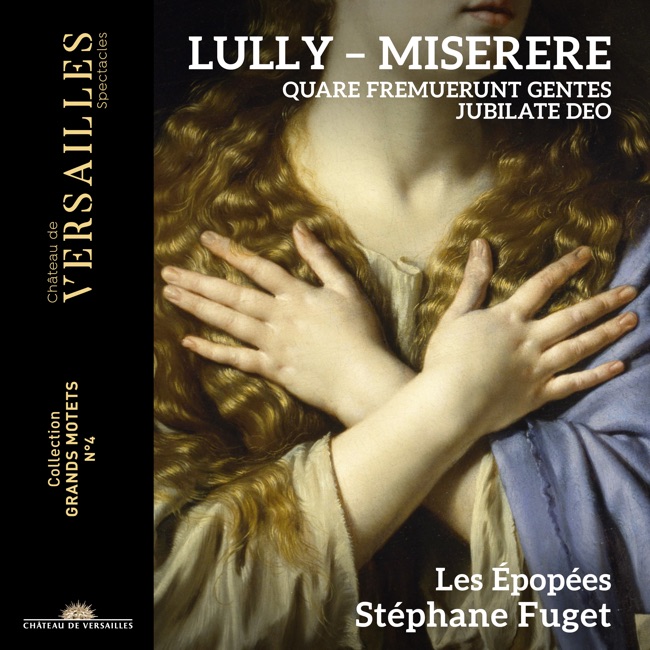
Quare fremuerunt, LWV 67
Released Album
Recent Album
Works Info
Composer:Jean-Baptiste LullyGenre:ChoralStyle:ChoralCompose Date:1685Average_duration:13:49"Quare fremuerunt" is a sacred motet composed by Jean-Baptiste Lully in 1687. It was premiered at the Chapel Royal in Versailles, France, on January 8, 1687. The motet is divided into three movements, each with its own distinct characteristics. The first movement is marked "Grave" and begins with a solemn and mournful instrumental introduction. The choir then enters with a text taken from Psalm 2: "Why do the heathen rage, and the people imagine a vain thing?" The music is characterized by its use of dissonance and chromaticism, which create a sense of tension and unrest. The choir sings in a homophonic style, with all voices moving together in harmony. The second movement is marked "Allegro" and is more upbeat and lively than the first. The text is taken from Psalm 2: "The kings of the earth set themselves, and the rulers take counsel together, against the Lord, and against his anointed." The music is characterized by its use of syncopation and dotted rhythms, which give it a sense of energy and movement. The choir sings in a polyphonic style, with different voices singing different melodies at the same time. The third and final movement is marked "Largo" and is the most contemplative and introspective of the three. The text is taken from Psalm 2: "He that sitteth in the heavens shall laugh: the Lord shall have them in derision." The music is characterized by its use of suspensions and resolutions, which create a sense of resolution and closure. The choir sings in a homophonic style, with all voices moving together in harmony. Overall, "Quare fremuerunt" is a powerful and emotional work that showcases Lully's skill as a composer. Its use of dissonance, chromaticism, syncopation, and suspensions create a sense of tension and release that is both dramatic and moving. The motet is a testament to Lully's ability to create music that is both beautiful and meaningful, and it remains a beloved work in the sacred music repertoire to this day.More....
Works Music
Released Music