William Byrd
Salvator mundi, MB 68
Released Album
Recent Album
Featured Album
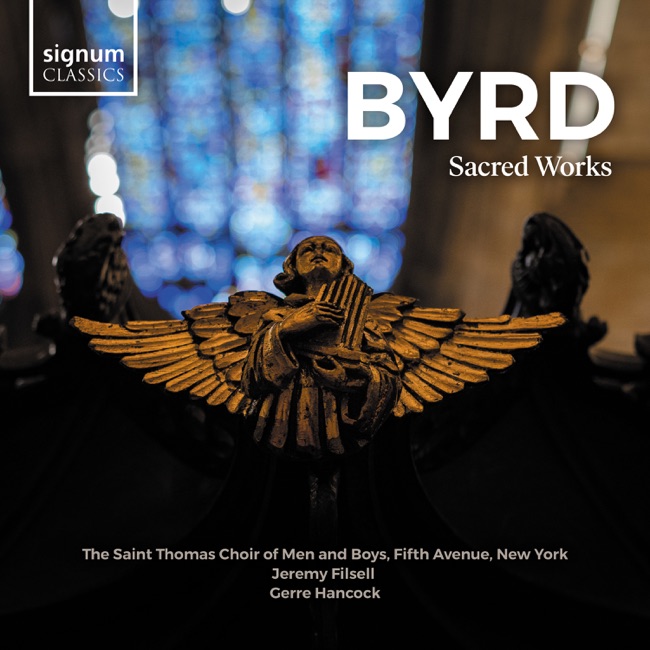
Works Info
Composer:William ByrdGenre:KeyboardStyle:KeyboardTitle: Salvator mundi, MB 68nComposer: William Byrd (c. 1540-1623)$$$Salvator mundi, MB 68, is a sacred choral composition written by the English composer William Byrd. Byrd, one of the most prominent composers of the Renaissance period, was known for his mastery of polyphony and his contributions to sacred music.$$$Date and Premiere:nSalvator mundi was composed during the late 16th century, around the same time Byrd was working on his monumental collection of Latin motets, Cantiones Sacrae. The exact date of composition is uncertain, but it is believed to have been written between 1575 and 1580. The piece was likely performed in a liturgical setting, possibly during a Mass or other religious service.$$$Movements:nSalvator mundi is a motet, a polyphonic choral composition typically set to a Latin text. It consists of four movements, each with its own distinct musical character and structure. The movements are:$$$1. Introitus: The piece begins with a solemn and introspective introduction, setting the tone for the rest of the composition. Byrd employs rich harmonies and intricate counterpoint to create a sense of reverence and devotion.$$$2. Kyrie: The Kyrie movement is a plea for mercy and forgiveness. Byrd's setting is characterized by its expressive melodic lines and intricate imitative polyphony. The voices intertwine, creating a tapestry of sound that reflects the text's emotional content.$$$3. Sanctus: The Sanctus movement is a joyful and exultant celebration of God's holiness. Byrd employs lively rhythms, syncopations, and cascading melodic lines to convey a sense of jubilation and praise.$$$4. Agnus Dei: The final movement, Agnus Dei, is a prayer for peace and mercy. Byrd's setting is characterized by its gentle and plaintive melodies, creating a sense of humility and supplication.$$$Characteristics:nSalvator mundi showcases Byrd's mastery of polyphony and his ability to create intricate and expressive choral textures. The composition features rich harmonies, complex counterpoint, and a careful attention to the text's emotional and spiritual content. Byrd's use of imitative polyphony, where melodic ideas are passed between voices, creates a sense of unity and coherence throughout the piece. Additionally, Byrd's skillful manipulation of musical elements such as rhythm, dynamics, and texture adds depth and nuance to the composition.$$$In conclusion, Salvator mundi, MB 68, is a sacred choral composition by William Byrd. Composed during the late 16th century, it consists of four movements that showcase Byrd's mastery of polyphony and his ability to convey the emotional and spiritual content of the text. With its rich harmonies, intricate counterpoint, and expressive melodies, Salvator mundi stands as a testament to Byrd's significant contributions to sacred music during the Renaissance period.More....
Works Music
Released Music


Featured Music