Tomás Luis de Victoria
Amicus meus
Released Album
Recent Album

Featured Album
Works Info
Composer:Tomás Luis de VictoriaGenre:ChoralStyle:ChoralPublication Date:1585Average_duration:3:34'Amicus meus' is a sacred motet composed by the Spanish composer Tomás Luis de Victoria. It was composed in the late 16th century, during the Renaissance period, and was first performed in the Chapel Royal of Madrid. The piece is written for four voices, with the text taken from the Gospel of John, chapter 15, verse 14: "You are my friends, if you do what I command you." The motet is divided into three movements, each with its own distinct character. The first movement is marked "Allegro," and is characterized by its lively, rhythmic energy. The second movement is marked "Adagio," and is more contemplative in nature, with a slower tempo and more sustained harmonies. The final movement is marked "Allegro," and returns to the lively, rhythmic energy of the first movement. Throughout the piece, Victoria employs a variety of compositional techniques to create a rich and complex texture. He uses imitative counterpoint, in which each voice enters with the same melody at different times, to create a sense of unity and coherence. He also uses chromaticism, in which he employs notes outside of the diatonic scale, to create a sense of tension and release. The text of the motet is reflected in the music, with the lively first and third movements representing the joy and energy of friendship, and the more contemplative second movement representing the deeper, more reflective aspects of friendship. The piece as a whole is a testament to Victoria's skill as a composer, and his ability to create music that is both technically complex and emotionally powerful.More....
Works Music
Released Music

4
2:24
5
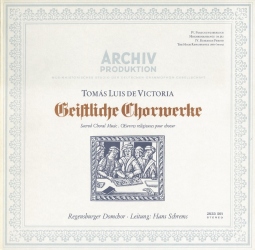
2:44
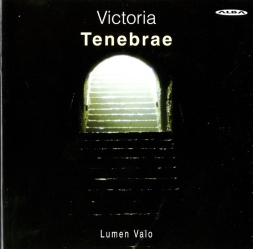
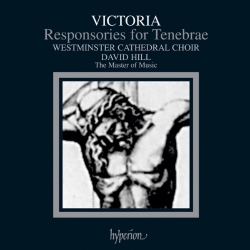
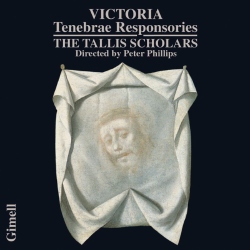
Featured Music