Joseph Bodin de Boismortier
Sonata for flute & harpsichord in G major, Op. 91/3
Released Album
Recent Album
Works Info
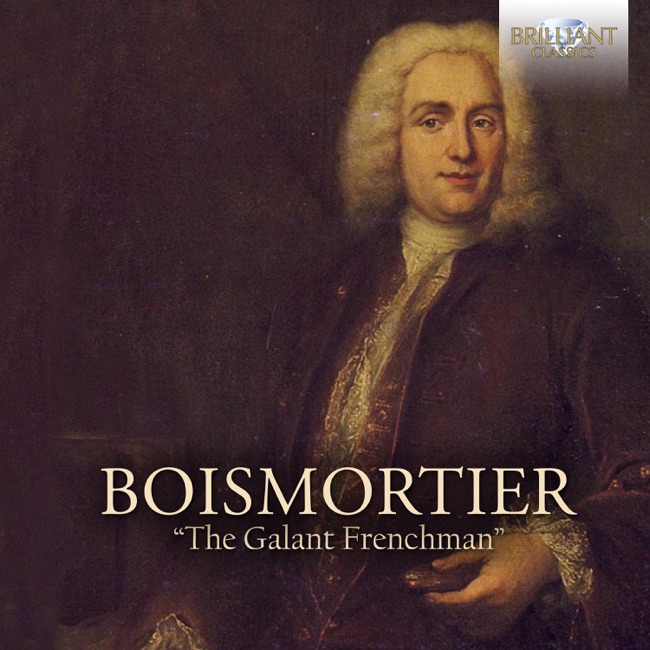
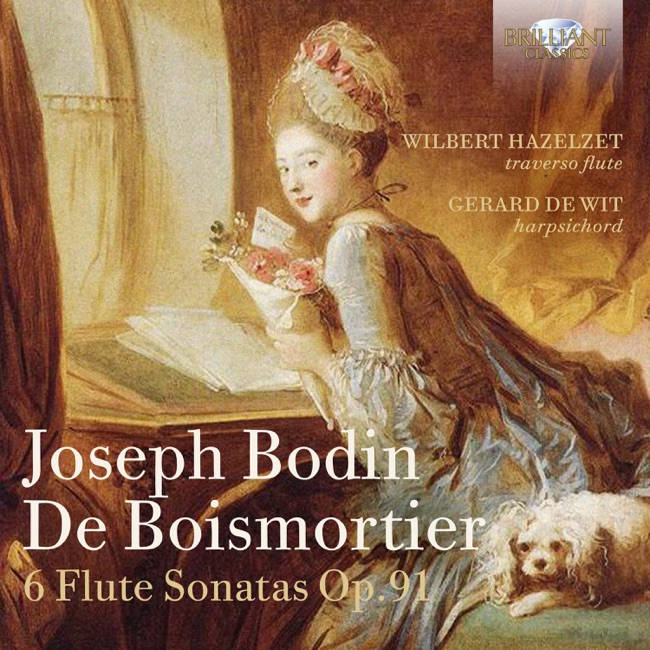
Composer:Joseph Bodin de BoismortierGenre:ChamberStyle:SonataCompose Date:1741 - 1742Average_duration:9:15The 'Sonata for flute & harpsichord in G major, Op. 91/3' is a Baroque composition by French composer Joseph Bodin de Boismortier. It was composed in the early 18th century and premiered in Paris in 1730. The sonata is divided into three movements: Allegro, Adagio, and Allegro. The first movement, Allegro, is characterized by its lively and energetic tempo. The flute and harpsichord engage in a playful dialogue, with the flute taking the lead in the melody and the harpsichord providing a supportive accompaniment. The movement is marked by its use of ornamentation, with both instruments embellishing the main theme with trills, turns, and other decorative flourishes. The second movement, Adagio, is a slower and more contemplative piece. The flute takes on a more lyrical role, with long, sustained notes that are punctuated by the harpsichord's gentle arpeggios. The movement is marked by its expressive and emotional quality, with the flute conveying a sense of longing and introspection. The final movement, Allegro, returns to the lively and energetic tempo of the first movement. The flute and harpsichord engage in a spirited dialogue, with both instruments taking turns in the melody and accompaniment. The movement is marked by its use of counterpoint, with the two instruments weaving in and out of each other's lines in a complex and intricate dance. Overall, the 'Sonata for flute & harpsichord in G major, Op. 91/3' is a charming and delightful example of Baroque chamber music. It showcases Boismortier's skill in writing for both the flute and harpsichord, and demonstrates his ability to create music that is both technically challenging and emotionally expressive.More....
Works Music
Released Music