Orlando Gibbons
In Nomines a 5 (3), for consort
Released Album
Recent Album
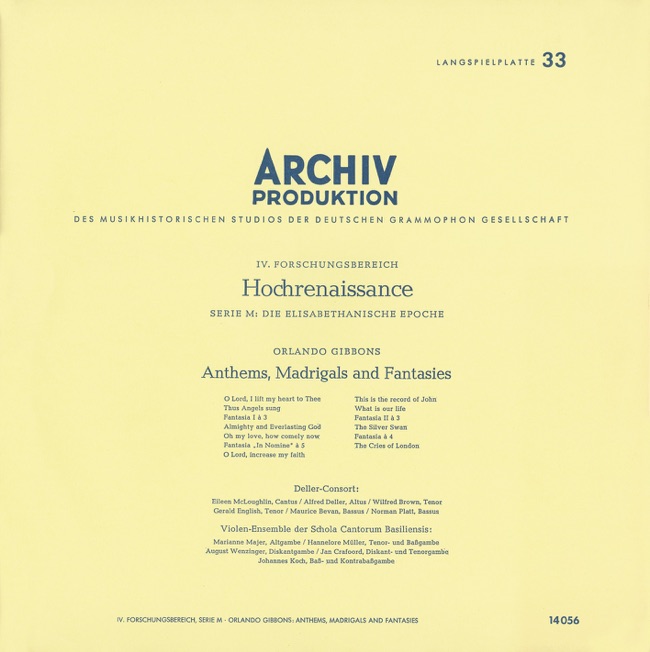
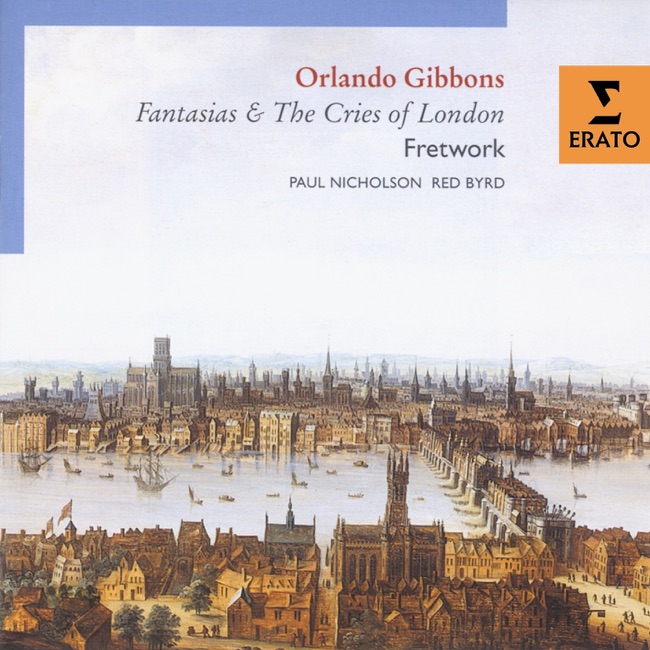
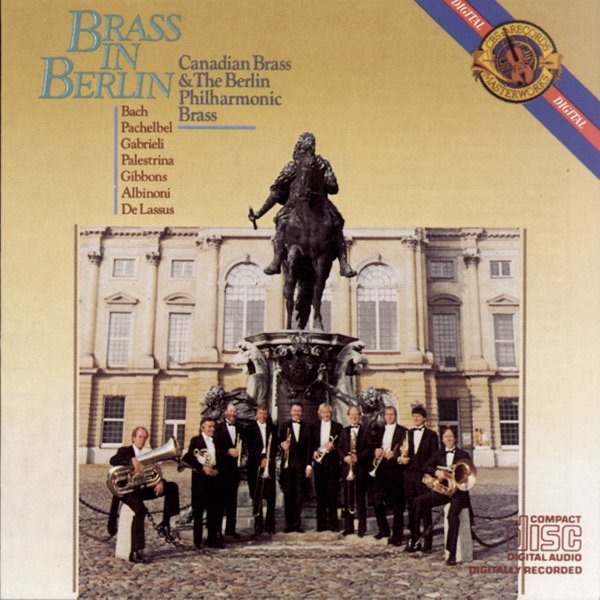
Featured Album
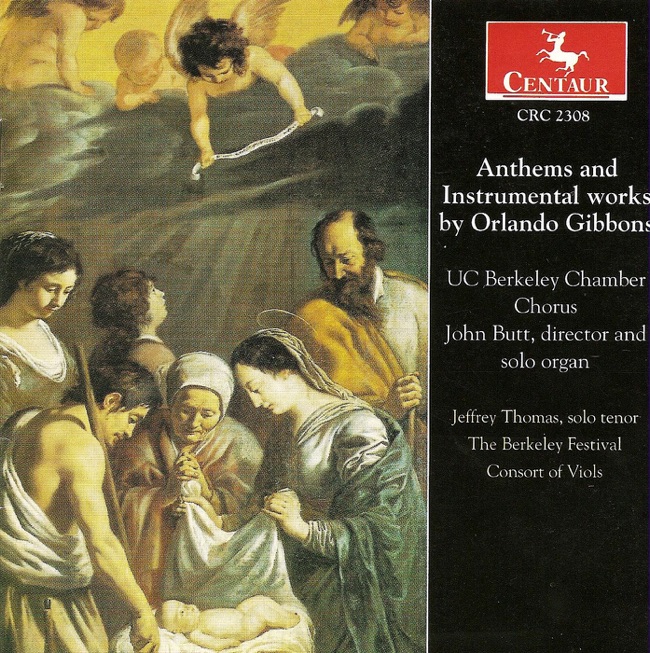
Works Info
Composer:Orlando GibbonsGenre:ChamberStyle:FantasyAverage_duration:4:00Orlando Gibbons was an English composer and organist who lived from 1583 to 1625. He was one of the most important composers of his time, and his music is still widely performed today. One of his most famous works is the set of In Nomines a 5 (3), for consort. The In Nomine is a type of instrumental composition that was popular in England during the Renaissance. It is based on a plainchant melody called the "Gloria Tibi Trinitas," which was used as the basis for many different compositions. The In Nomine was typically written for a consort of viols, which was a popular ensemble in England during the 16th and 17th centuries. Gibbons' In Nomines a 5 (3) is a set of six pieces, each of which is based on the "Gloria Tibi Trinitas" melody. The set was composed in the early 17th century, and it is considered to be one of Gibbons' most important works. The pieces are written for a consort of five viols, and they are typically performed in order as a set. The first movement of the set is a slow and solemn piece that sets the tone for the rest of the work. It is followed by a faster and more lively movement that features intricate counterpoint and virtuosic playing from the viols. The third movement is a slower and more introspective piece that features a beautiful melody played by the upper voices of the consort. The fourth movement is a lively and energetic piece that features a driving rhythm and complex harmonies. The fifth movement is a slower and more contemplative piece that features a beautiful melody played by the lower voices of the consort. The final movement is a fast and lively piece that brings the set to a thrilling conclusion. Overall, Gibbons' In Nomines a 5 (3) is a masterpiece of Renaissance instrumental music. It showcases Gibbons' skill as a composer and his ability to write music that is both beautiful and technically challenging. The set is still widely performed today, and it remains an important part of the English Renaissance repertoire.More....
Works Music