George Frederick Handel
Trio sonata for oboe, violin & continuo in D major, HWV 381
Released Album
Recent Album
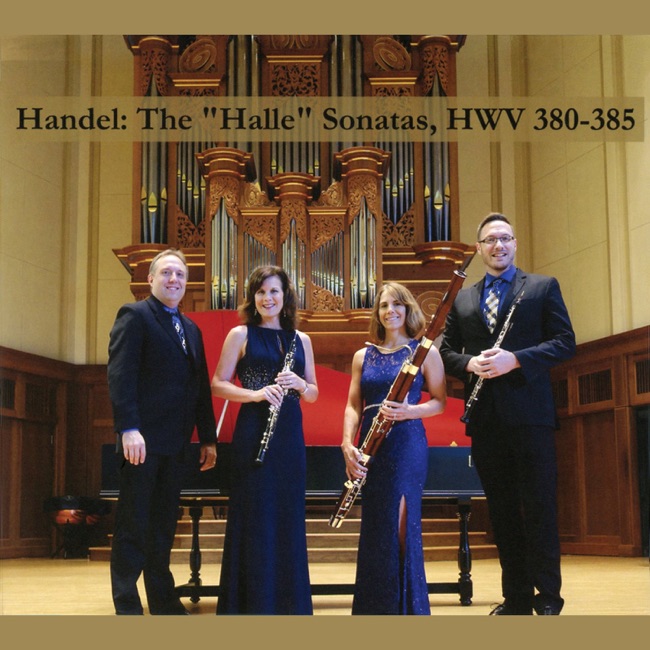
Featured Album
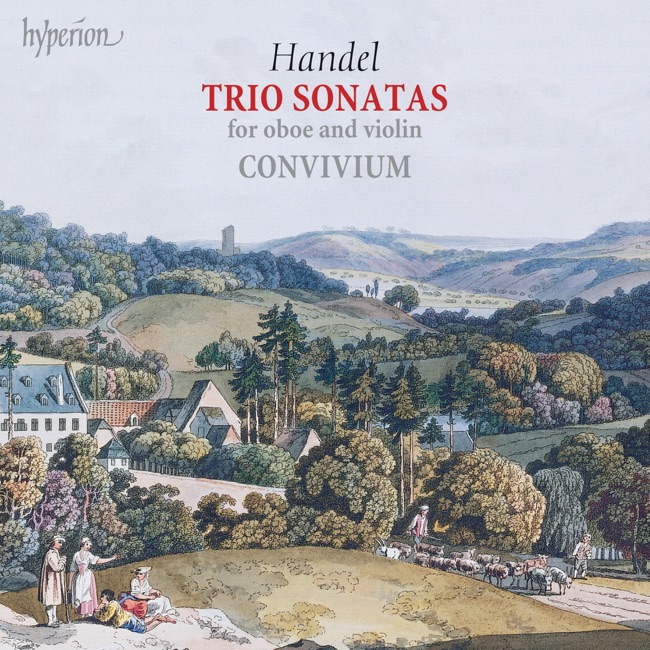
Works Info
Composer:George Frederick HandelGenre:ChamberStyle:SonataAverage_duration:8:49George Frederick Handel's Trio Sonata for Oboe, Violin & Continuo in D major, HWV 381, was composed in the early 18th century. The exact date of composition is unknown, but it is believed to have been written between 1710 and 1720. The piece was premiered in London, England, and was likely performed by Handel himself on the harpsichord, along with two other musicians on the oboe and violin. The Trio Sonata for Oboe, Violin & Continuo in D major, HWV 381, consists of four movements. The first movement is marked "Affettuoso," and is a slow and expressive introduction to the piece. The second movement is a lively and energetic "Allegro," featuring intricate interplay between the oboe and violin. The third movement is a graceful and elegant "Larghetto," with a beautiful melody that is passed between the two instruments. The final movement is a lively and joyful "Allegro," with a fast-paced and intricate melody that showcases the virtuosity of the performers. The Trio Sonata for Oboe, Violin & Continuo in D major, HWV 381, is characteristic of Handel's style, with its intricate counterpoint, expressive melodies, and lively rhythms. The piece is notable for its use of the oboe, which was a relatively new instrument at the time and was not yet widely used in chamber music. Handel's use of the oboe in this piece is particularly effective, as it adds a unique and expressive voice to the ensemble. Overall, the Trio Sonata for Oboe, Violin & Continuo in D major, HWV 381, is a beautiful and engaging piece of chamber music that showcases Handel's skill as a composer and his ability to create intricate and expressive music for a small ensemble.More....
Works Music
Released Music
1
2:29
2
2:10
3
1:47
Featured Music