


Michele Mascitti
Concerto Grosso in G major, Op. 7/3
Released Album
Recent Album

Works Info
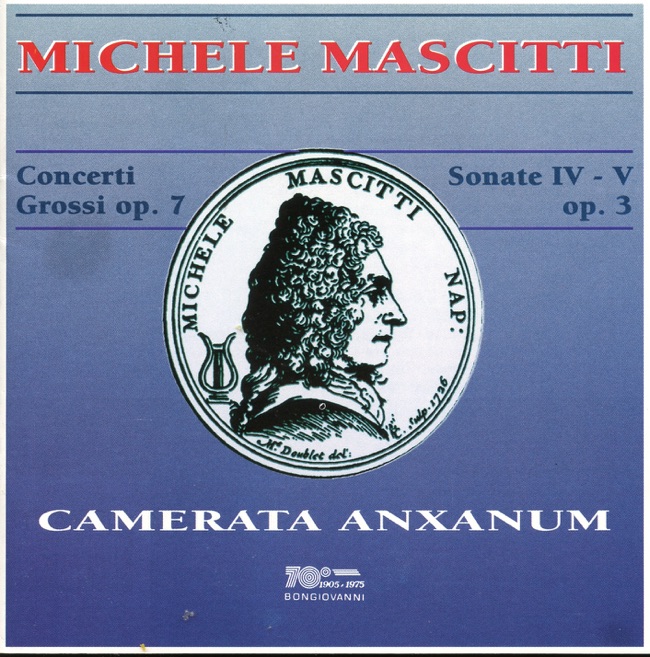
Composer:Michele MascittiGenre:ConcertoStyle:ConcertoAverage_duration:13:18Movement_count:5Movement ....The Concerto Grosso in G major, Op. 7/3, was composed by Italian Baroque composer Michele Mascitti. The piece was likely composed in the early 18th century, although the exact date is unknown. It was first premiered in Rome, likely in the court of Cardinal Ottoboni, who was a patron of the arts and a supporter of many Baroque composers. The concerto is divided into four movements, typical of the Baroque concerto grosso form. The first movement is marked Allegro and features a lively, dance-like rhythm. The second movement is marked Largo and is a slow, lyrical piece that showcases the soloists. The third movement is marked Allegro and is a fast, virtuosic piece that highlights the technical abilities of the soloists. The final movement is marked Allegro and is a lively, energetic piece that brings the concerto to a thrilling conclusion. One of the characteristics of the concerto is its use of the concerto grosso form, which features a small group of soloists (in this case, two violins and a cello) accompanied by a larger ensemble (in this case, a string orchestra). This form was popular in the Baroque era and allowed for a dynamic interplay between the soloists and the orchestra. Another characteristic of the concerto is its use of ornamentation and virtuosic passages, particularly in the third movement. Mascitti was known for his technical prowess as a violinist, and this concerto showcases his abilities as well as those of the soloists. Overall, the Concerto Grosso in G major, Op. 7/3, is a lively and engaging piece that exemplifies the Baroque concerto grosso form. Its use of ornamentation and virtuosic passages make it a challenging and rewarding piece for both performers and listeners.More....
Works Music
Released Music

2
3:55
3
3:3