


Michele Mascitti
Released Album
Chamber
-
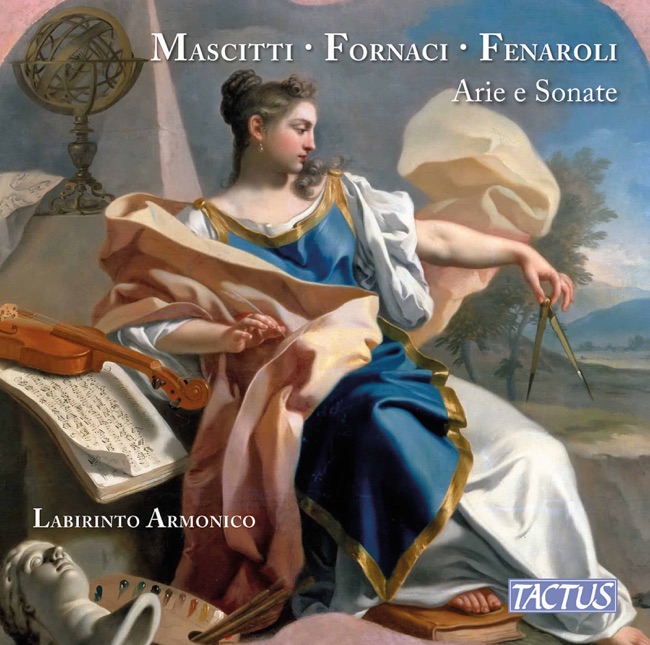 November 6, 2020
 -
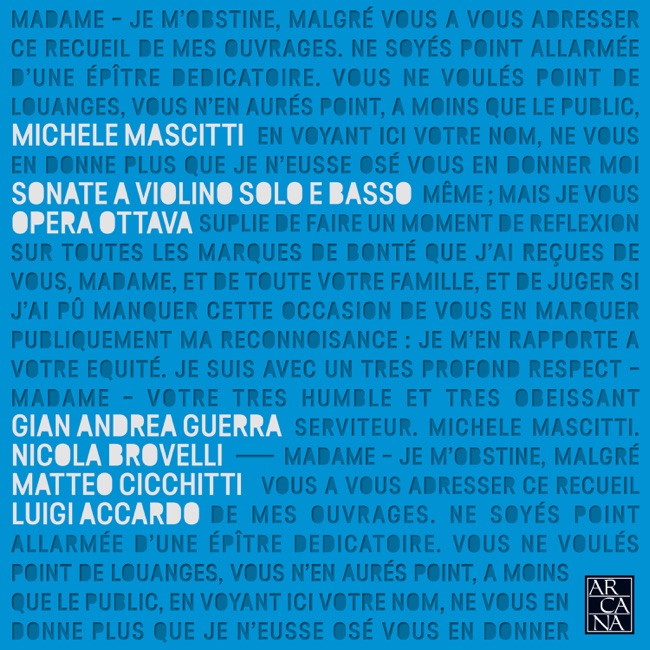 September 14, 2018
 -
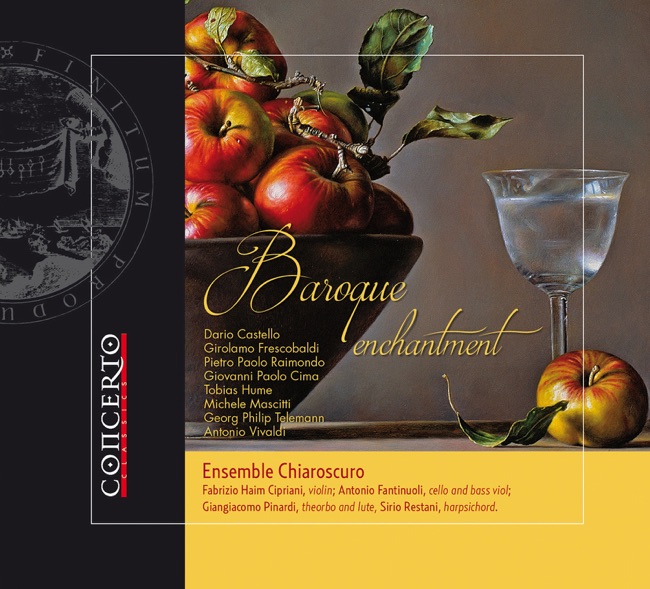 February 12, 2016
 -
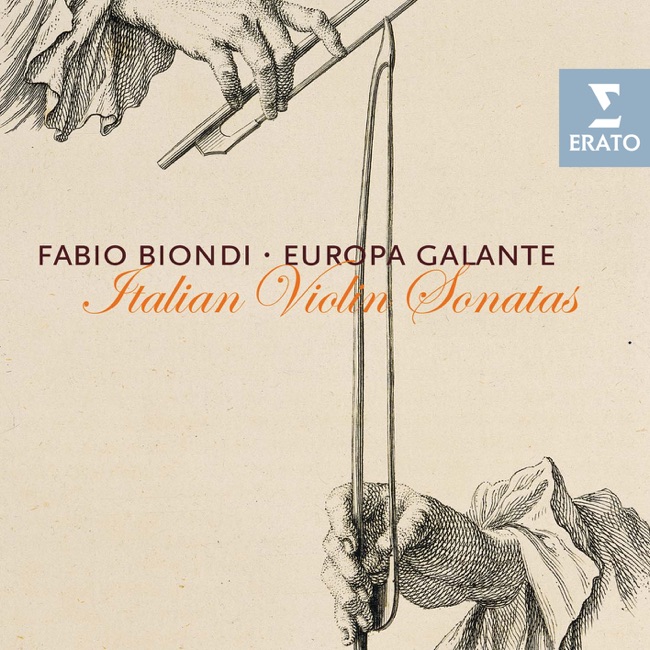 May 5, 2003
 -
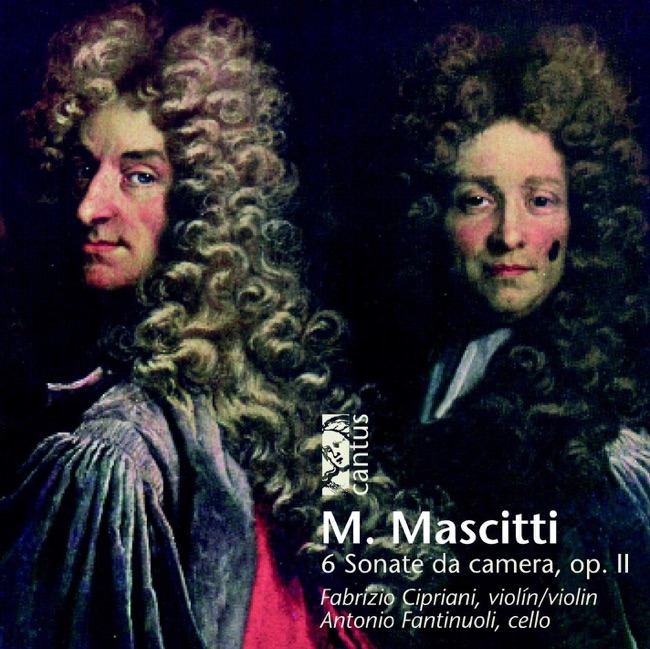 August 10, 2000
 -
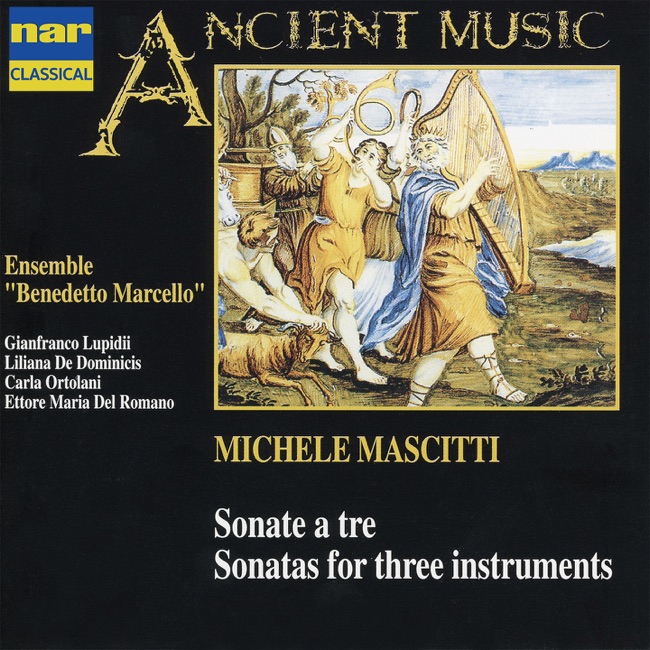 March 1, 1999
Concerto
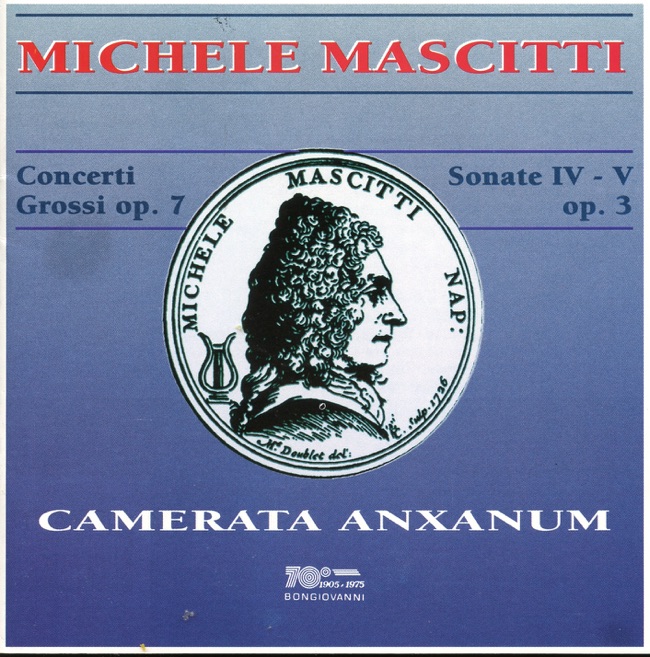
Artist Info
Role:ComposerCountry: ItalyBirth:ca. 1663Death:April 24, 1760Period:BaroqueGenre:ChamberConcertoMichele Mascitti was a prominent Italian composer and violinist of the Baroque era. He was born in Naples, Italy in 1663, and was the son of a musician. His father, Giovanni Battista Mascitti, was a violinist and composer who worked at the Royal Chapel in Naples. Michele Mascitti grew up in a musical environment and began his musical training at a young age. Mascitti's early musical education was under the tutelage of his father, who taught him the violin and composition. He quickly showed a talent for music and began performing in public at the age of 12. He continued his studies with some of the most renowned musicians of his time, including Giovanni Bononcini and Arcangelo Corelli. In 1687, Mascitti moved to Rome, where he became a member of the Accademia di Santa Cecilia. He quickly established himself as a prominent musician and composer in the city's musical scene. He performed in many concerts and composed music for various occasions, including operas, oratorios, and cantatas. Mascitti's music was highly regarded for its technical virtuosity and expressive qualities. He was known for his skillful use of the violin, which he used to create intricate and complex melodies. His music was also characterized by its emotional depth and dramatic intensity. One of Mascitti's most significant works is his Opus 1, a collection of 12 sonatas for violin and basso continuo. The collection was published in 1704 and was dedicated to the Duke of Mantua. The sonatas are notable for their technical difficulty and their innovative use of harmony and counterpoint. They are considered some of the most challenging pieces in the Baroque violin repertoire. Mascitti's other notable works include his Opus 2, a collection of 12 sonatas for violin and basso continuo, and his Opus 3, a collection of six sonatas for violin and basso continuo. He also composed several operas, including La Griselda, which was performed in Rome in 1701. Mascitti's music was highly influential in the development of the Baroque style. His use of complex harmonies and counterpoint was a significant departure from the simpler music of the Renaissance era. His music also had a significant impact on the development of the violin as a solo instrument. His virtuosic style of playing and his innovative use of the instrument's capabilities helped to establish the violin as a prominent solo instrument in the Baroque era. Mascitti's music was highly regarded during his lifetime, and he was considered one of the most significant composers of his time. However, his music fell out of favor in the years following his death. It was not until the 20th century that his music began to be rediscovered and appreciated once again. Today, Michele Mascitti is recognized as one of the most significant composers of the Baroque era. His music continues to be performed and recorded by musicians around the world. His innovative use of harmony and counterpoint, as well as his virtuosic style of playing, continue to inspire and influence musicians today.More....
Recent Artist Music
1
2:27
3
2:17
6
3:55
8
2:19
9
2:1
10
1:6
12
2:26
13
1:5
14
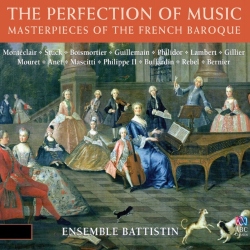
2:26
Copyright Ⓒ 2013 Davinci Finger. All rights reseved
Service Terms & Policy