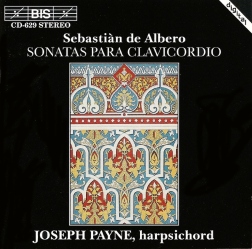
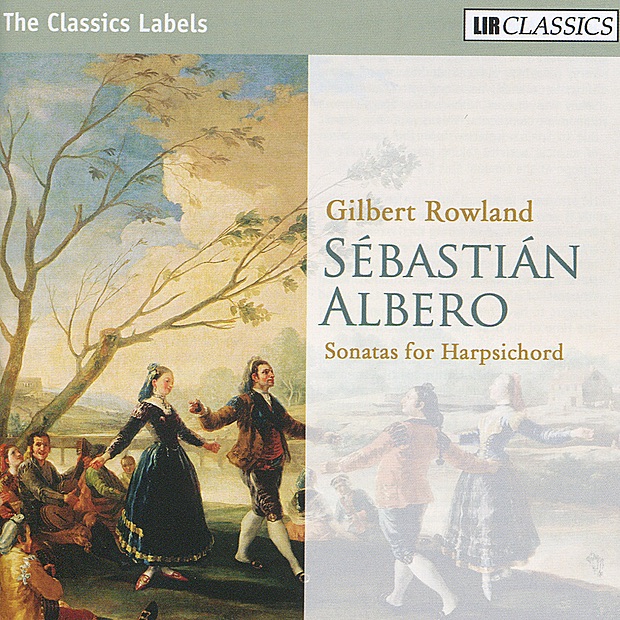
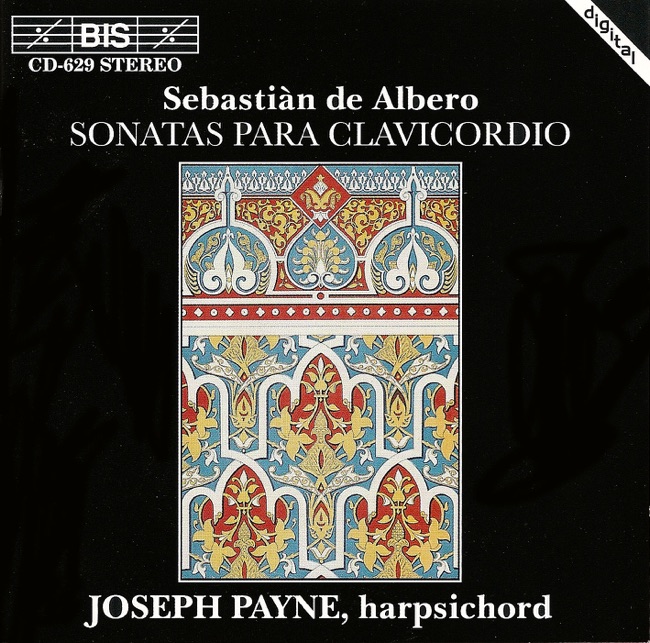
Sebastiàn de Albero
Harpsichord Sonata No. 13 in B flat major
Released Album
Recent Album

Works Info
Composer:Sebastiàn de AlberoGenre:KeyboardStyle:KeyboardAverage_duration:4:42Sebastiàn de Albero's Harpsichord Sonata No. 13 in B flat major is a significant work in the Baroque era. It was composed in the late 18th century and premiered in Madrid, Spain. The sonata is divided into three movements, each with its own unique characteristics. The first movement, marked Allegro, is in a binary form and begins with a lively and energetic theme. The theme is then developed through various key changes and modulations, showcasing Albero's skill in harmonic progression. The movement ends with a recapitulation of the main theme, bringing the movement to a satisfying close. The second movement, marked Andante, is a beautiful and lyrical piece. It is in a ternary form and features a simple yet elegant melody. The movement is characterized by its use of ornamentation, which adds to the overall beauty of the piece. The middle section of the movement features a more complex and virtuosic passage, showcasing the performer's technical abilities. The final movement, marked Allegro, is a lively and energetic piece. It is in a binary form and features a fast-paced and intricate theme. The movement is characterized by its use of counterpoint, with the right and left hands playing off each other in a playful and engaging manner. The movement ends with a virtuosic cadenza, showcasing the performer's technical abilities. Overall, Albero's Harpsichord Sonata No. 13 in B flat major is a significant work in the Baroque era. It showcases Albero's skill in harmonic progression, ornamentation, and counterpoint, and is a testament to the technical abilities of the performer.More....
Works Music
Released Music
1

4:38
2
4:23