


Johann Adolf Hasse
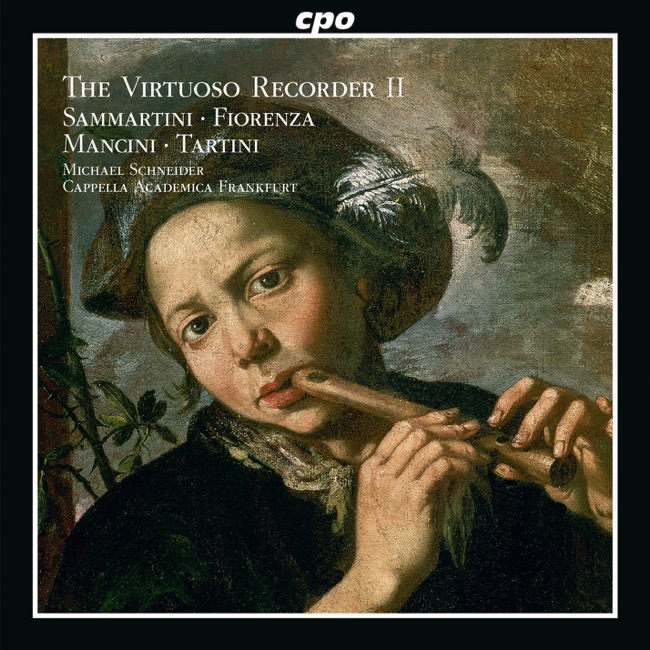
Sonata for alto recorder & continuo in B flat major ("Cantata")
Released Album
Recent Album
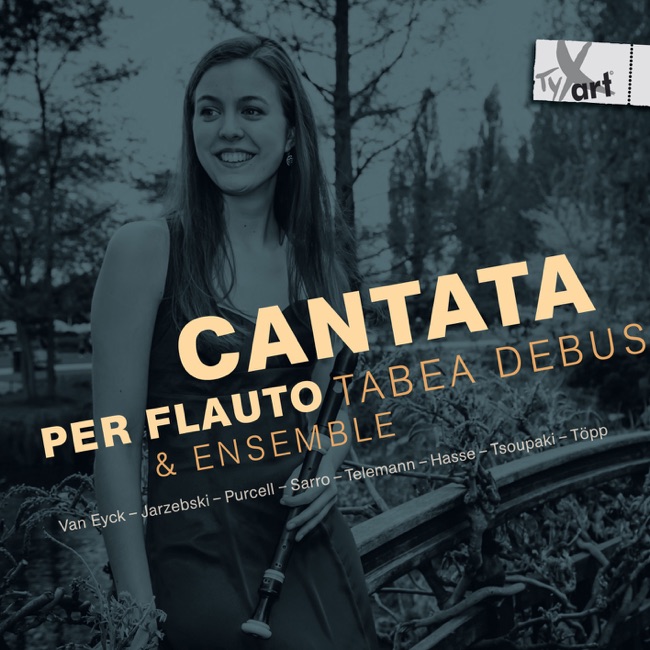
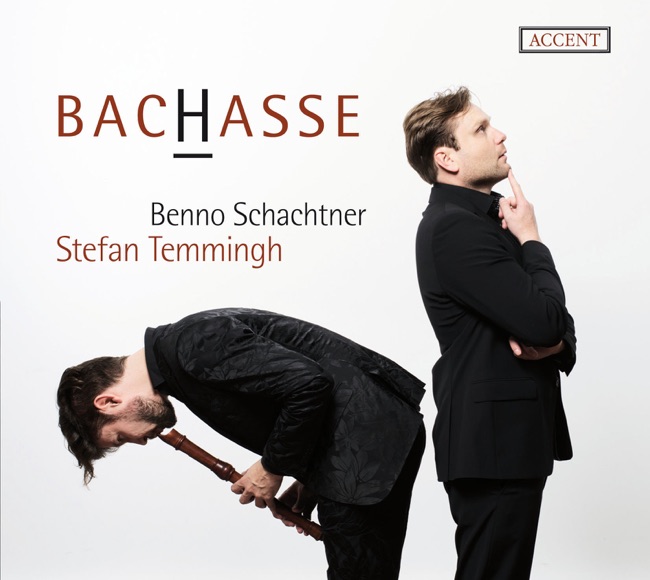
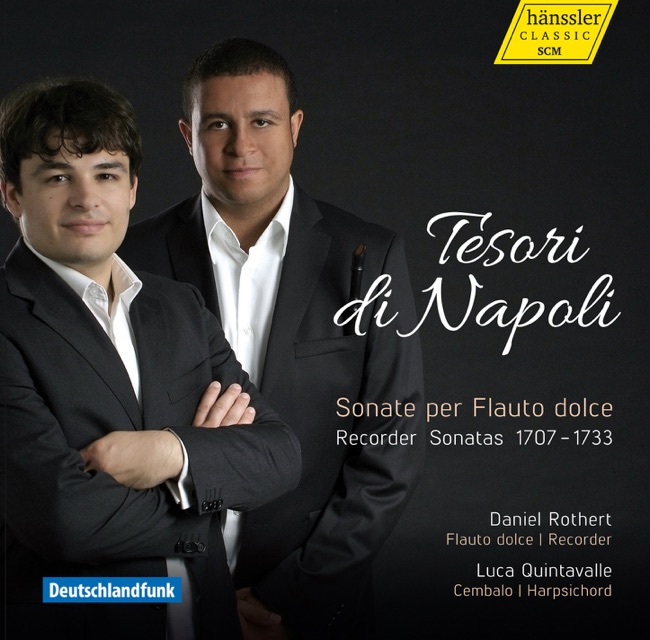
Featured Album
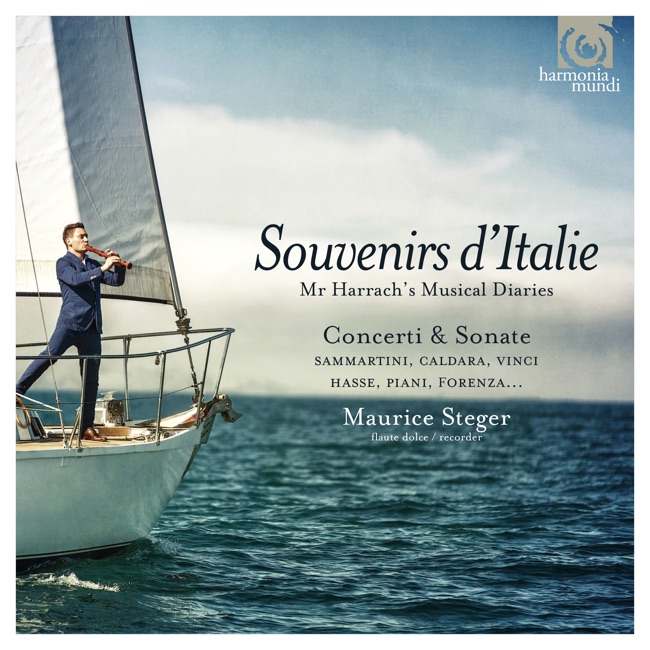
Works Info
Composer:Johann Adolf HasseGenre:ChamberAverage_duration:10:40Movement_count:3Movement ....Johann Adolf Hasse's Sonata for alto recorder & continuo in B flat major (Cantata) was composed in the mid-18th century. The exact date of composition is unknown, but it is believed to have been written between 1740 and 1750. The piece was premiered in Dresden, Germany, where Hasse was the court composer for the Elector of Saxony. The sonata consists of three movements: an opening Allegro, a slow and expressive Largo, and a lively final Allegro. The piece is written for alto recorder and continuo, which typically includes a harpsichord and cello or bassoon. The recorder takes on the role of the soloist, with the continuo providing a supportive accompaniment. The first movement, Allegro, is characterized by its lively and energetic tempo. The recorder and continuo engage in a playful dialogue, with the recorder taking on virtuosic runs and trills. The second movement, Largo, is a stark contrast to the first. It is slow and expressive, with the recorder playing long, sustained notes that are filled with emotion. The continuo provides a simple and understated accompaniment, allowing the recorder to take center stage. The final movement, Allegro, returns to the lively and energetic tempo of the first. The recorder and continuo engage in a spirited conversation, with the recorder once again taking on virtuosic runs and trills. Overall, Hasse's Sonata for alto recorder & continuo in B flat major (Cantata) is a charming and delightful piece of music. It showcases the virtuosity of the recorder and the beauty of the instrument's sound. The piece is a testament to Hasse's skill as a composer and his ability to create music that is both technically challenging and emotionally expressive.More....
Works Music
Released Music
1
3:34
2
4:27
3
4:
Featured Music
1
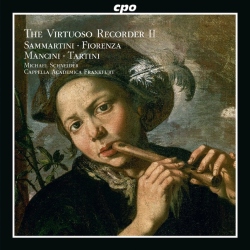
3:25
2
3:18
3
2:55
4
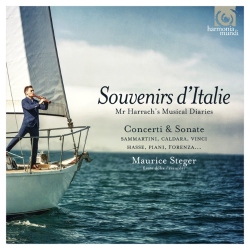
2:31
5
4:48
6
2:26