John Blow
Sonata in A
Released Album
Recent Album
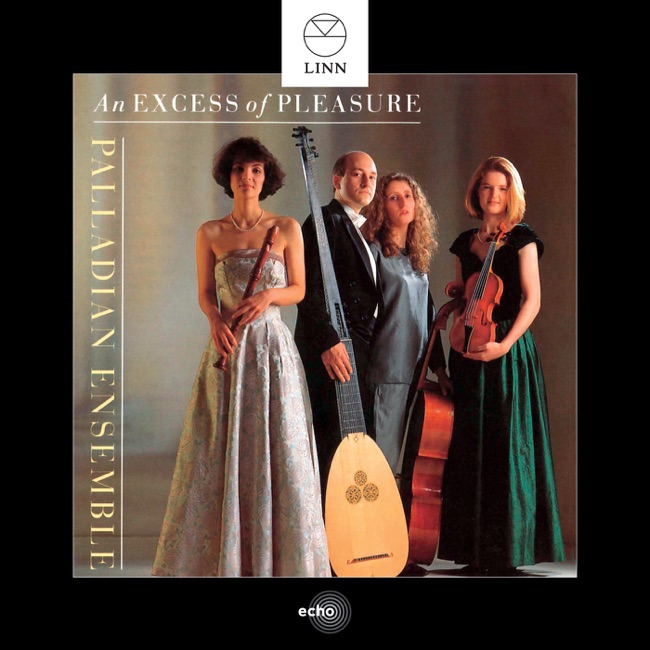
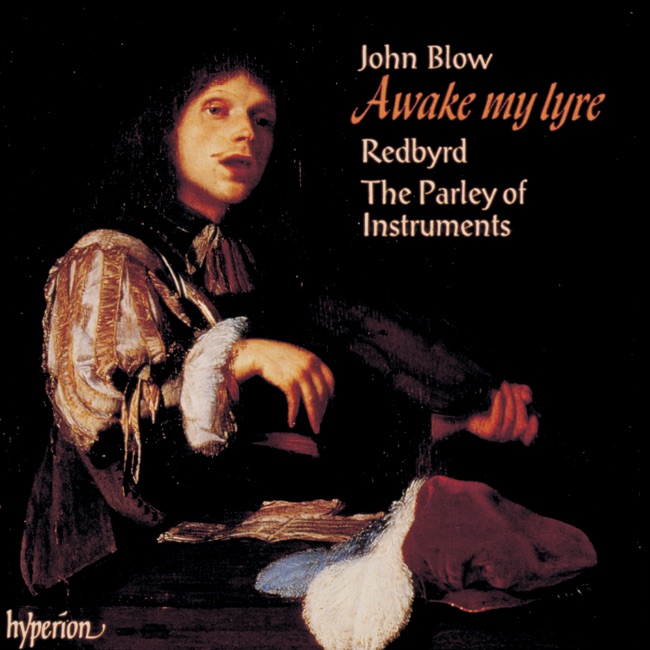
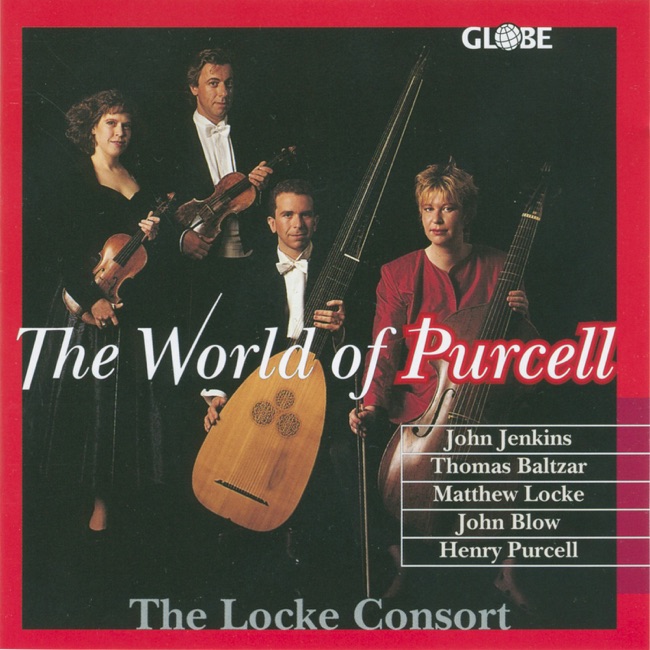
Works Info
Composer:John BlowGenre:ChamberStyle:SonataAverage_duration:5:57John Blow's 'Sonata in A' is a Baroque composition for two violins and basso continuo. It was composed in the late 17th century, around 1685, during the reign of King James II. The sonata is believed to have been premiered at the court of James II, where Blow served as a court musician. The 'Sonata in A' consists of four movements, typical of the Baroque sonata form. The first movement is a lively and energetic Allegro, characterized by its fast tempo and intricate violin parts. The second movement is a slower Adagio, featuring a more lyrical and expressive melody. The third movement is a dance-like Allegro, with a lively and rhythmic melody that is reminiscent of a jig. The final movement is a fast and lively Allegro, featuring virtuosic violin parts and a driving bass line. The 'Sonata in A' is a prime example of Baroque music, characterized by its use of counterpoint, ornamentation, and basso continuo. The two violins play in a contrapuntal style, with each instrument weaving in and out of each other's melodies. The basso continuo, played on a harpsichord or organ, provides a steady harmonic foundation for the piece. Blow's 'Sonata in A' is also notable for its use of ornamentation, a hallmark of Baroque music. The violin parts are filled with trills, turns, and other embellishments, adding to the virtuosic nature of the piece. The sonata also features a number of dynamic contrasts, with sudden shifts in volume and intensity that add to the drama of the music. Overall, John Blow's 'Sonata in A' is a masterful example of Baroque music, showcasing the composer's skill in counterpoint, ornamentation, and harmonic structure. Its lively and energetic melodies, intricate violin parts, and driving bass line make it a joy to listen to and a testament to the enduring legacy of Baroque music.More....
Works Music
Released Music