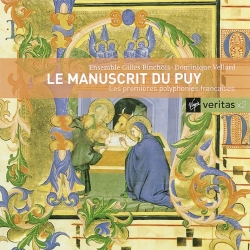
11th century French Polyphony Anonymous
Viderunt omnes, gradual organum
Works Info
Composer:11th century French Polyphony AnonymousGenre:ChoralStyle:GradualAverage_duration:5:45'Viderunt omnes, gradual organum' is a piece of music composed by an anonymous French polyphonic composer in the 11th century. The piece is a part of the Gregorian chant repertoire and is considered to be one of the earliest examples of polyphonic music. The piece was composed for the Christmas Day Mass and is based on the text of Psalm 97, "Viderunt omnes fines terrae salutare Dei nostri" (All the ends of the earth have seen the salvation of our God). The piece is divided into two movements, the first being the chant melody sung in unison and the second being the organum, which is a polyphonic setting of the chant melody. The premiere of 'Viderunt omnes, gradual organum' is unknown, but it is believed to have been performed in the Abbey of Saint-Martial in Limoges, France, where the composer was likely associated with. The first movement of the piece is characterized by the unison singing of the chant melody, which is sung by the choir in a solemn and reverent manner. The second movement, the organum, is characterized by the addition of a second voice, which sings a parallel melody to the chant melody. The two voices move in parallel motion, creating a rich and harmonious sound. The piece is also notable for its use of melismatic singing, which is a style of singing where multiple notes are sung on a single syllable. This technique is used in both the chant melody and the organum, adding to the complexity and richness of the piece. Overall, 'Viderunt omnes, gradual organum' is a significant piece of music in the history of Western music, as it represents one of the earliest examples of polyphonic music and showcases the development of musical notation and composition during the medieval period.More....
Works Music
Released Music