


11th century French Polyphony Anonymous
Released Album
Choral
-
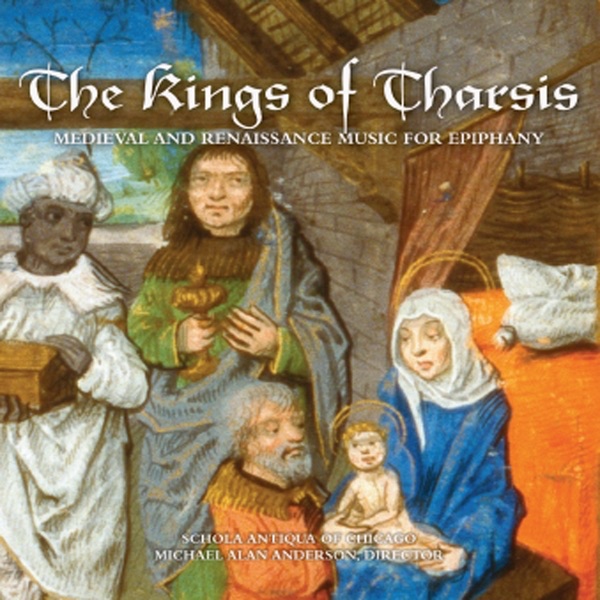 October 19, 2011
 -
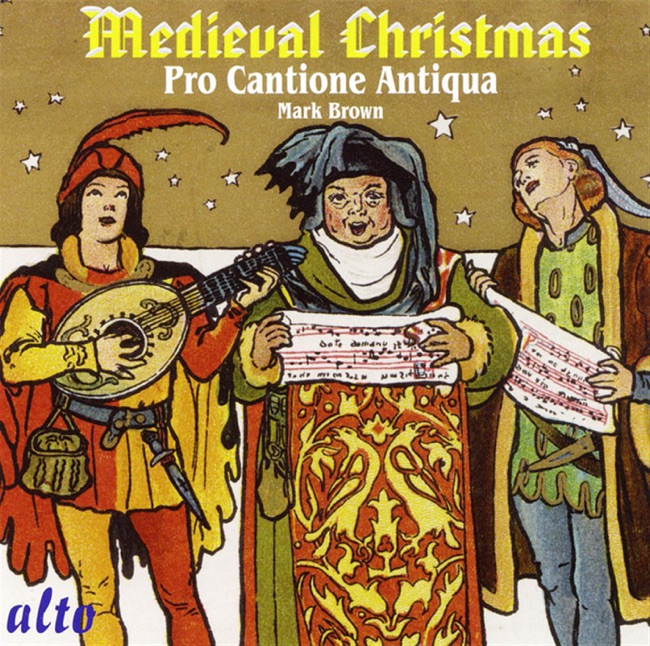 October 9, 2007
 -
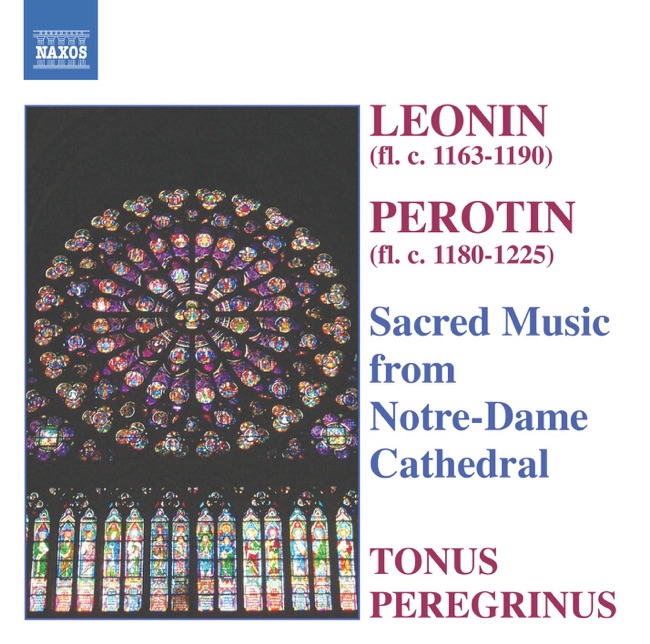 July 19, 2005
 -
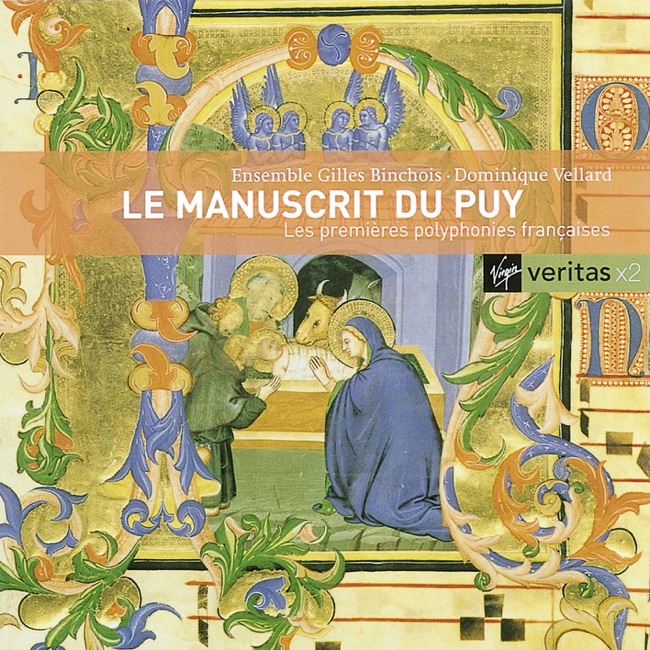 August 6, 2001
 -
Artist Info
Role:ComposerGenre:Choral11th century French Polyphony Anonymous is a composer whose identity remains unknown to this day. The term "anonymous" is used to refer to a group of composers who created polyphonic music in France during the 11th century. This period is known as the "Ars Antiqua" or "Old Art" and is considered the beginning of Western classical music. The birth and growth of musicians during this time were heavily influenced by the Catholic Church. The Church was the primary patron of music during the Middle Ages, and many musicians were employed by the Church to create music for religious services. The music of the time was primarily vocal, and the use of instruments was limited. Polyphony, which is the use of multiple voices or melodies in music, was a new development in music during the 11th century. The anonymous composers of this time were among the first to experiment with polyphony, and their works laid the foundation for the development of Western classical music. The composed works of 11th century French Polyphony Anonymous are primarily vocal pieces, including chants and hymns. These works were created for use in religious services and were designed to enhance the spiritual experience of the congregation. The use of polyphony in these works allowed for a more complex and rich musical experience, which was intended to elevate the worship experience. One of the most significant works attributed to 11th century French Polyphony Anonymous is the "Magnificat." This piece is a hymn of praise to the Virgin Mary and is based on the Gospel of Luke. The "Magnificat" is a complex piece of music that uses multiple voices and melodies to create a rich and layered sound. The use of polyphony in this piece was groundbreaking at the time and set the stage for the development of more complex musical forms in the future. Another notable work attributed to 11th century French Polyphony Anonymous is the "Alleluia Pascha Nostrum." This piece is a chant that was used during the Easter season and is known for its complex and intricate melodies. The use of polyphony in this piece allowed for a more dynamic and engaging musical experience, which was intended to enhance the spiritual significance of the Easter season. The works of 11th century French Polyphony Anonymous were not widely known or appreciated during their time. It was not until the 19th century that these works were rediscovered and recognized for their significance in the development of Western classical music. Today, the works of 11th century French Polyphony Anonymous are studied and performed by musicians around the world, and their influence can be heard in the music of many contemporary composers. In conclusion, 11th century French Polyphony Anonymous was a group of anonymous composers who created polyphonic music in France during the 11th century. Their works laid the foundation for the development of Western classical music and were primarily vocal pieces created for use in religious services. The use of polyphony in their works allowed for a more complex and rich musical experience, which was intended to enhance the spiritual significance of the worship experience. The works of 11th century French Polyphony Anonymous were not widely known or appreciated during their time but have since been recognized for their significance in the development of Western classical music.More....
Recent Artist Music
2
1:34
8
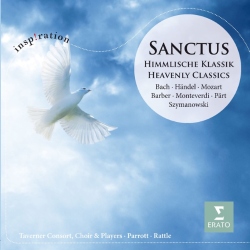
3:5
Copyright Ⓒ 2013 Davinci Finger. All rights reseved
Service Terms & Policy