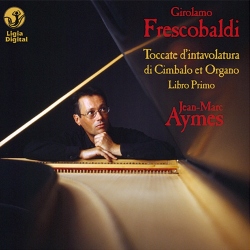
Girolamo Frescobaldi
Toccata for keyboard
Released Album
Recent Album
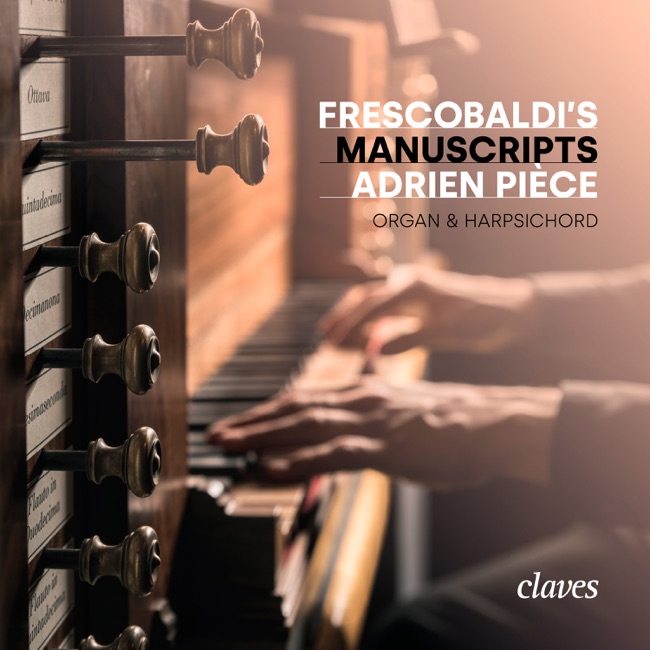
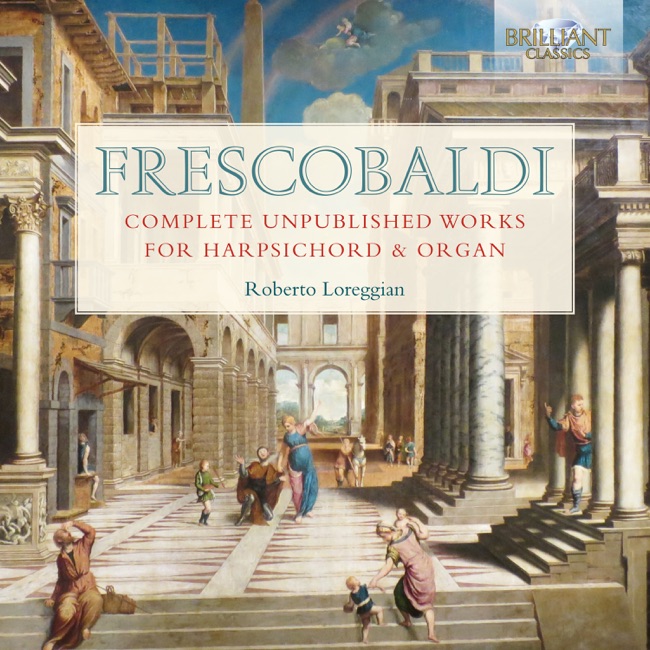
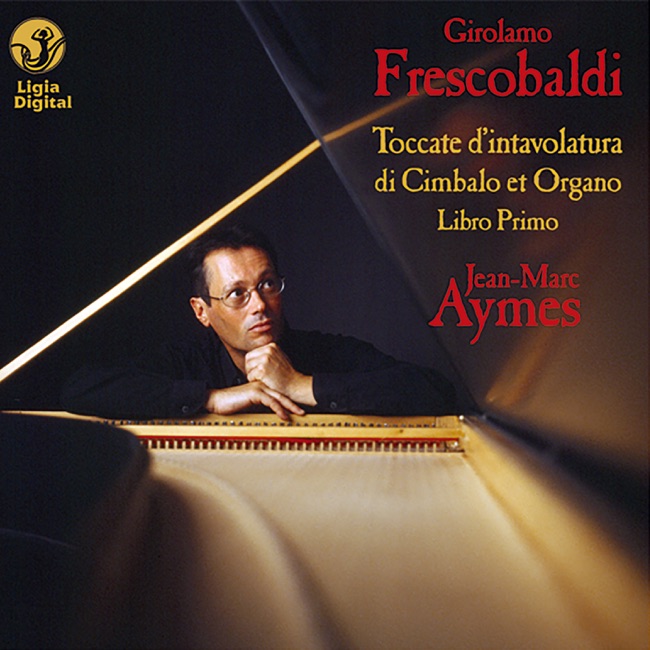
Featured Album
Works Info
Composer:Girolamo FrescobaldiGenre:KeyboardStyle:KeyboardPublication Date:1968Average_duration:3:32Girolamo Frescobaldi was an Italian composer and keyboardist of the Baroque era. He was born in Ferrara, Italy in 1583 and died in Rome in 1643. Frescobaldi was one of the most important composers of keyboard music in the early Baroque period, and his Toccata for keyboard is one of his most famous works. The Toccata for keyboard was composed by Frescobaldi in the early 17th century. The exact date of composition is not known, but it is believed to have been written sometime between 1607 and 1615. The piece was originally written for harpsichord, but it can also be played on other keyboard instruments such as the organ or piano. The Toccata for keyboard is a single-movement work that is characterized by its virtuosic keyboard writing and its improvisatory style. The piece is written in a free form, with no strict meter or time signature. It is divided into several sections, each with its own distinct character and mood. The opening section of the Toccata for keyboard is marked by its fast and lively tempo, with rapid runs and arpeggios that showcase the performer's technical skill. This is followed by a slower, more contemplative section that features a more lyrical melody and a more subdued dynamic. The middle section of the Toccata for keyboard is marked by its use of dissonance and chromaticism, which create a sense of tension and instability. This section is characterized by its complex harmonies and its use of unexpected rhythmic accents. The final section of the Toccata for keyboard is marked by its return to the fast and lively tempo of the opening section. This section features a series of virtuosic runs and arpeggios that build to a dramatic climax before resolving into a final cadence. Overall, the Toccata for keyboard is a highly expressive and virtuosic work that showcases Frescobaldi's mastery of keyboard writing. Its improvisatory style and free form make it a challenging and rewarding piece for performers, and its complex harmonies and use of dissonance make it a fascinating work for listeners.More....
Works Music
Released Music

4
3:18
Featured Music