


Hildegard von Bingen
De patria etiam earum
Released Album
Recent Album
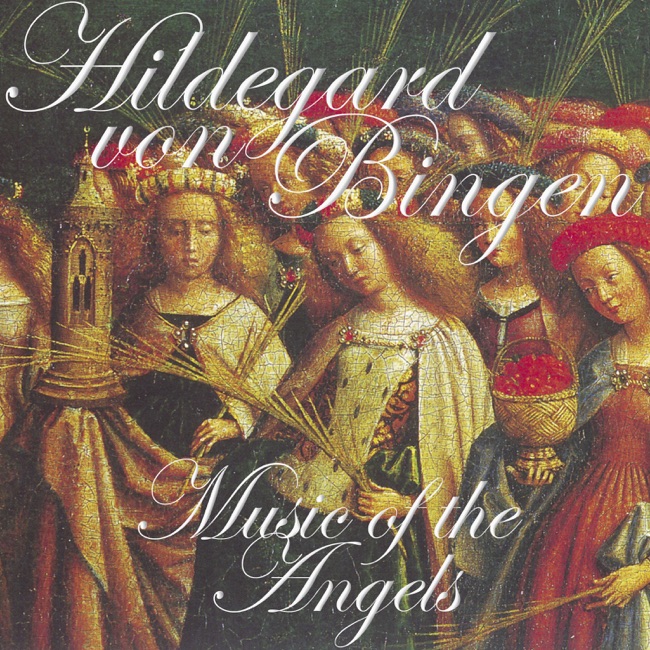
Featured Album

Works Info
Composer:Hildegard von BingenGenre:ChoralStyle:AntiphonCompose Date:ca. 1140 - 1179Average_duration:2:08De patria etiam earum is a sacred vocal composition composed by Hildegard von Bingen, a German Benedictine abbess, writer, composer, and philosopher of the 12th century. The piece was composed in the late 12th century and is believed to have been premiered in the Rupertsberg Abbey, where Hildegard lived and worked. The composition consists of three movements, each with its own distinct characteristics. The first movement is a hymn to the Virgin Mary, praising her as the mother of God and the protector of all humanity. The second movement is a prayer to God, asking for his mercy and forgiveness for the sins of humanity. The third movement is a hymn to the Holy Spirit, praising its power and wisdom. The characteristics of De patria etiam earum are typical of Hildegard's style of composition. The piece is written in plainchant, a style of medieval music characterized by its simple, unaccompanied melody. The melody is sung by a single voice, with no harmony or accompaniment, and is often accompanied by a drone or sustained note. The text of the composition is in Latin, the language of the Catholic Church, and is typical of the religious themes that Hildegard explored in her music. The text is rich in symbolism and imagery, drawing on the Bible and other religious texts to express the composer's spiritual beliefs. Overall, De patria etiam earum is a beautiful and powerful example of Hildegard's musical and spiritual vision. Its simple yet profound melodies and richly symbolic text continue to inspire and move listeners today, more than 800 years after it was composed.More....
Works Music
Released Music
Featured Music
