


Hans Werner Henze
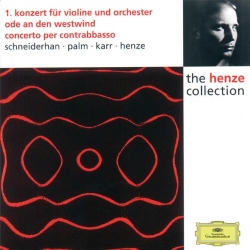
Violin Concerto No. 1
Released Album
Recent Album
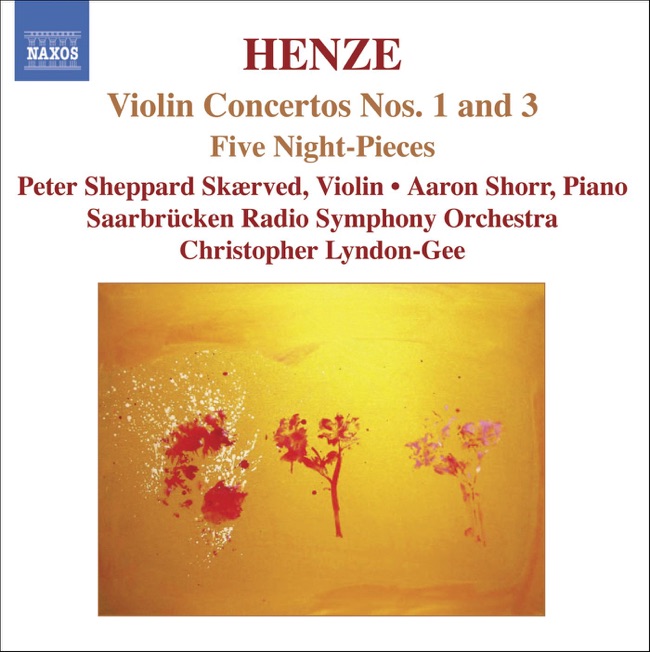
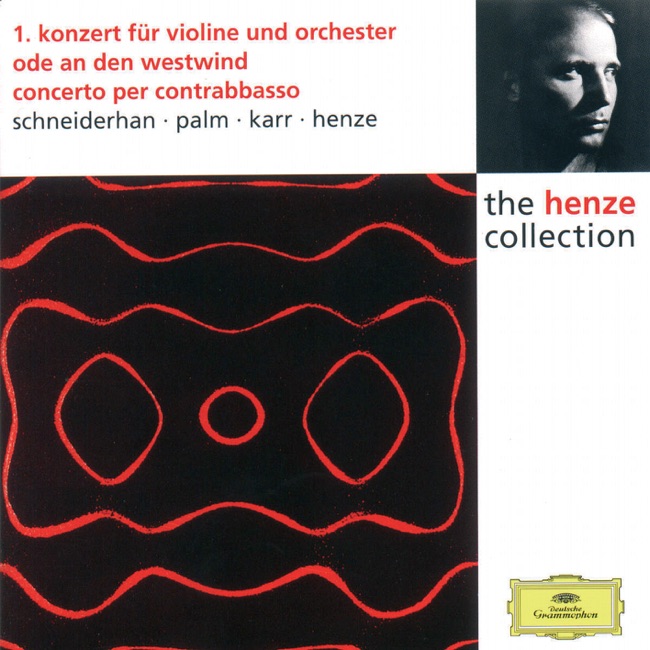
Featured Album
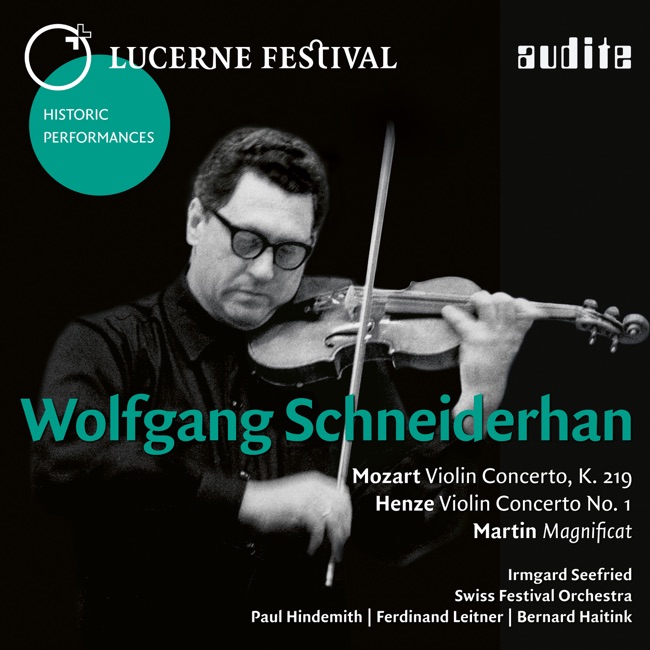
Works Info
Composer:Hans Werner HenzeGenre:ConcertoStyle:ConcertoCompose Date:1947Average_duration:25:41Movement_count:4Movement ....Hans Werner Henze's Violin Concerto No. 1 is a significant work in the repertoire of contemporary classical music. The concerto was composed in 1949, and it premiered on October 29, 1950, in Cologne, Germany. The piece is divided into three movements, each with its own distinct character and musical language. The first movement, marked "Allegro molto," is a lively and energetic opening to the concerto. The violin enters immediately with a virtuosic solo passage, which sets the tone for the entire movement. The orchestra responds with a series of rhythmic and harmonic gestures, creating a sense of tension and excitement. The movement features a number of contrasting sections, including a lyrical and expressive middle section, which provides a moment of respite before the final push towards the movement's thrilling conclusion. The second movement, marked "Adagio," is a stark contrast to the first. It is a slow and introspective movement, characterized by a hauntingly beautiful melody played by the solo violin. The orchestra provides a delicate and understated accompaniment, creating a sense of intimacy and vulnerability. The movement is marked by a sense of longing and nostalgia, as if the violin is searching for something just out of reach. The final movement, marked "Allegro molto," returns to the energy and excitement of the first. It is a fast-paced and virtuosic movement, featuring a number of challenging passages for the solo violin. The orchestra provides a driving and rhythmic accompaniment, creating a sense of urgency and momentum. The movement builds to a thrilling climax, with the solo violin soaring above the orchestra in a final display of virtuosity. Overall, Henze's Violin Concerto No. 1 is a masterful work that showcases the composer's skill and creativity. The piece is characterized by its use of contrasting musical languages and its virtuosic solo passages. It is a challenging and rewarding work for both the soloist and the orchestra, and it remains a staple of the contemporary classical repertoire.More....
Works Music
Released Music
Featured Music
