Hanns Eisler
Theme & Variations "The Long March"
Released Album
Recent Album
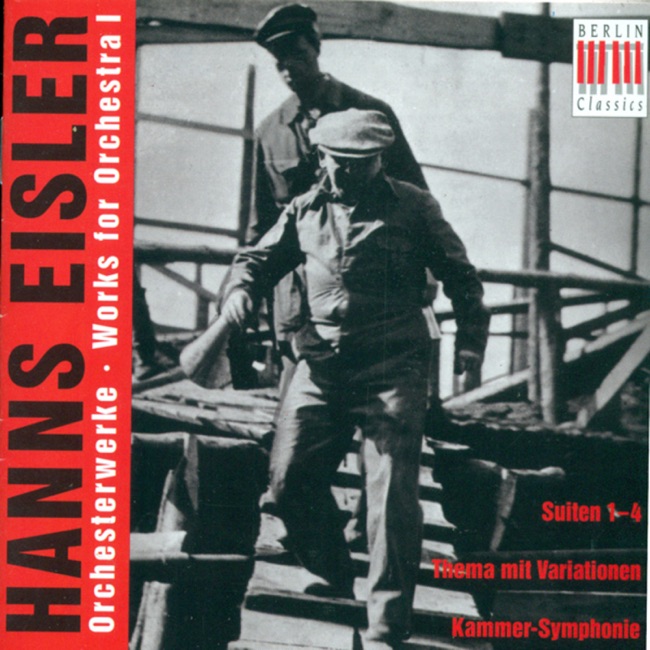
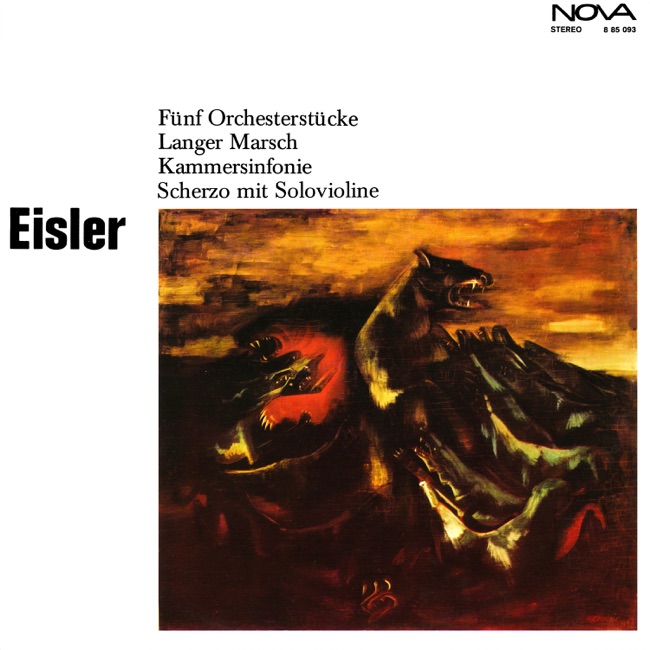
Works Info
Composer:Hanns EislerGenre:OrchestralStyle:MarchCompose Date:1938Average_duration:7:40Hanns Eisler's "Theme & Variations The Long March" is a composition that was written in 1934. It was premiered in Moscow in the same year. The piece is divided into four movements, each with its own unique characteristics. The first movement is marked "Moderato" and is based on a simple, folk-like melody. This melody is presented in a straightforward manner, with the orchestra playing in unison. The variations that follow are more complex, with Eisler using different orchestration techniques to create a variety of textures and moods. The movement ends with a return to the original melody, played once again in unison. The second movement is marked "Allegro" and is much more lively than the first. It begins with a fast, rhythmic section that features the percussion section prominently. This is followed by a slower, more lyrical section that features the strings. The movement ends with a return to the fast, rhythmic section. The third movement is marked "Andante" and is the most introspective of the four. It begins with a solo violin playing a mournful melody. This melody is then taken up by the rest of the orchestra, with Eisler using a variety of orchestration techniques to create a sense of depth and complexity. The movement ends quietly, with the solo violin once again playing the mournful melody. The final movement is marked "Allegro molto" and is the most energetic of the four. It begins with a fast, rhythmic section that features the entire orchestra. This is followed by a slower, more lyrical section that features the strings. The movement ends with a return to the fast, rhythmic section, with Eisler using a variety of orchestration techniques to create a sense of excitement and energy. Overall, "Theme & Variations The Long March" is a complex and engaging composition that showcases Eisler's skill as a composer. The use of folk-like melodies and a variety of orchestration techniques creates a sense of depth and complexity that is both engaging and thought-provoking.More....
Works Music