


Johannes Schenck
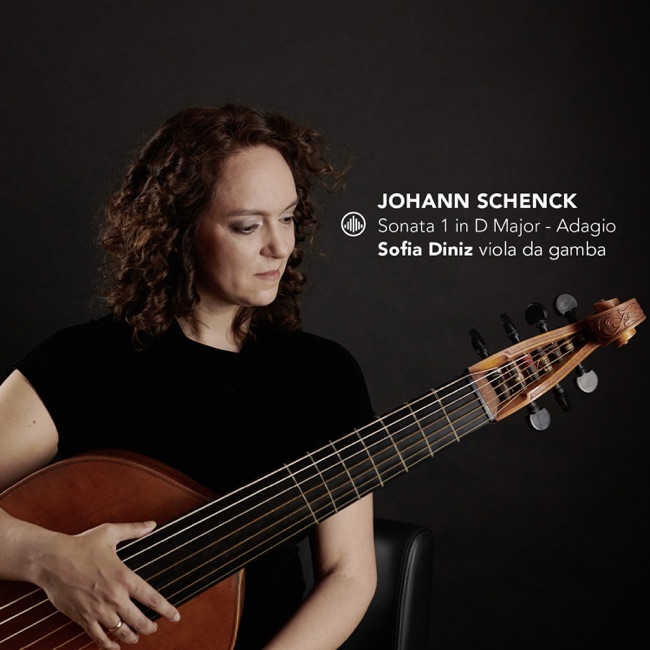
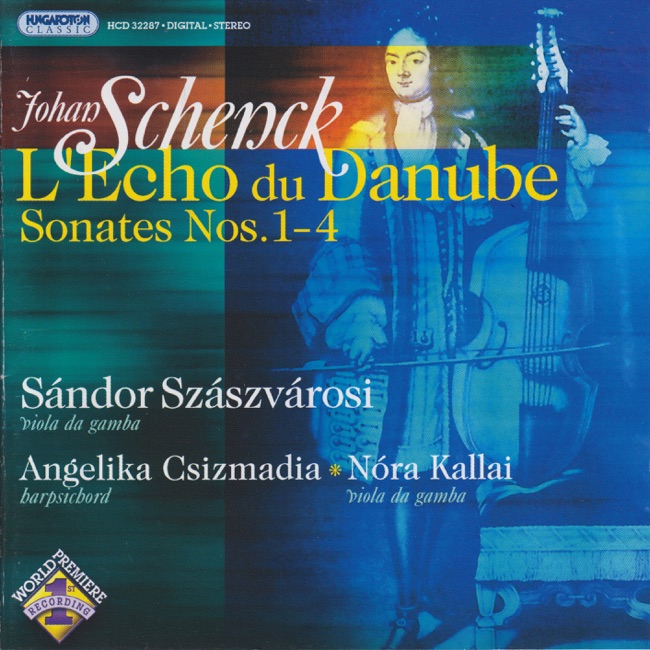
Sonata No. 1 in D major (from "L'Echo du Danube"), Op. 9/1
Released Album
Recent Album
Works Info
Composer:Johannes SchenckGenre:ChamberStyle:Chamber MusicCompose Date:before 1706Average_duration:14:47Movement_count:7Movement ....Johannes Schenck's 'Sonata No. 1 in D major (from L'Echo du Danube), Op. 9/1' is a Baroque-era composition for viola da gamba and basso continuo. It was composed in the late 17th century and premiered in Amsterdam, Netherlands. The sonata consists of four movements, each with its own unique characteristics. The first movement, marked Adagio, is a slow and stately introduction to the sonata. It features a simple melody played by the viola da gamba, accompanied by the basso continuo. The movement is characterized by its use of suspensions and dissonances, which create a sense of tension and release. The second movement, marked Allegro, is a lively and energetic dance. It features a fast-paced melody played by the viola da gamba, accompanied by the basso continuo. The movement is characterized by its use of syncopation and ornamentation, which give it a playful and lively feel. The third movement, marked Adagio, is a slow and expressive aria. It features a lyrical melody played by the viola da gamba, accompanied by the basso continuo. The movement is characterized by its use of expressive phrasing and ornamentation, which give it a melancholic and introspective feel. The fourth and final movement, marked Allegro, is a fast and lively dance. It features a lively melody played by the viola da gamba, accompanied by the basso continuo. The movement is characterized by its use of virtuosic runs and trills, which give it a lively and energetic feel. Overall, Schenck's 'Sonata No. 1 in D major' is a beautiful and expressive work that showcases the virtuosity of the viola da gamba. Its use of suspensions, dissonances, syncopation, ornamentation, and virtuosic runs make it a quintessential example of Baroque-era music.More....
Works Music
Released Music
1

2
2:34
3
3:15