Constantijn Huygens
Va donna ingrata
Released Album
Recent Album
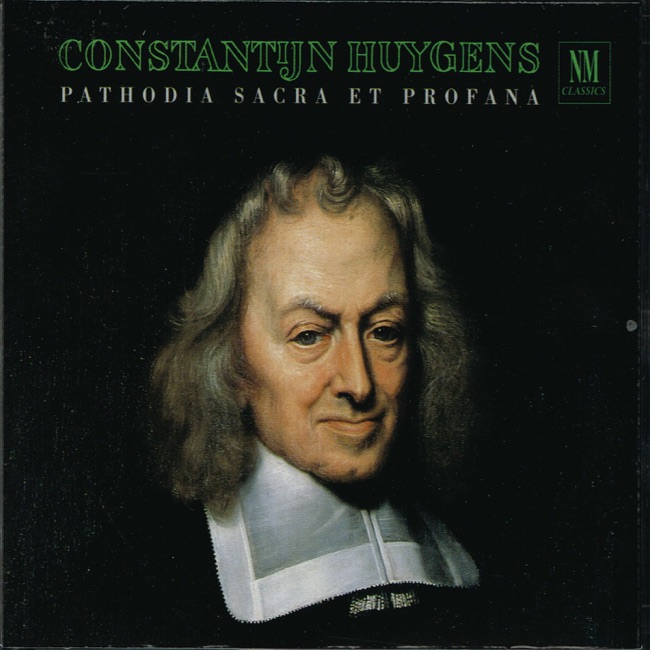
Featured Album
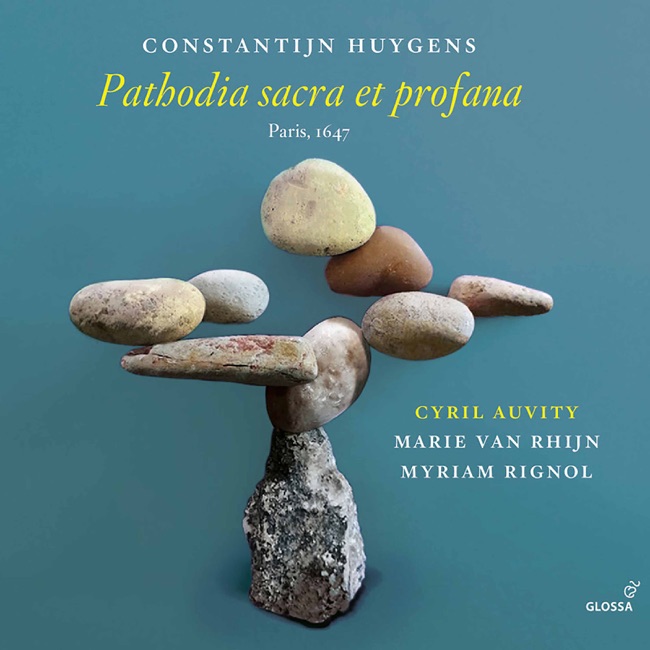
Works Info
Composer:Constantijn HuygensGenre:VocalStyle:Vocal MusicAverage_duration:2:27"Va donna ingrata" is a vocal piece composed by Constantijn Huygens, a Dutch poet, composer, and diplomat, in the early 17th century. The piece was likely composed in the early 1620s and was premiered in the court of Prince Maurits of Nassau, where Huygens served as a secretary. The piece is written for a solo voice accompanied by a basso continuo, which typically includes a harpsichord and a cello or bass viol. It is structured in three movements, each with its own distinct character and mood. The first movement is marked "Allegro" and is characterized by its lively, dance-like rhythm. The vocal line is highly ornamented, with frequent trills and runs, and the basso continuo provides a lively, rhythmic accompaniment. The text of the first movement is in Italian and describes the speaker's frustration with a woman who has betrayed him. The second movement is marked "Adagio" and is much slower and more contemplative than the first. The vocal line is more lyrical and expressive, with long, sustained notes and a more legato phrasing. The basso continuo provides a simple, chordal accompaniment that supports the vocal line without distracting from it. The text of the second movement is also in Italian and expresses the speaker's sadness and despair at the loss of his love. The third and final movement is marked "Allegro" and returns to the lively, dance-like rhythm of the first. The vocal line is once again highly ornamented, with frequent trills and runs, and the basso continuo provides a lively, rhythmic accompaniment. The text of the third movement is in French and describes the speaker's determination to move on from his lost love and find happiness elsewhere. Overall, "Va donna ingrata" is a highly expressive and emotional piece that showcases Huygens' skill as both a poet and a composer. The piece is notable for its use of Italian and French texts, which were both popular languages for vocal music in the early 17th century, as well as its use of a basso continuo, which was a common accompaniment style for vocal music of the time.More....