Christopher Tye
In Nomine a 5 "Re la re"
Released Album
Recent Album
Featured Album
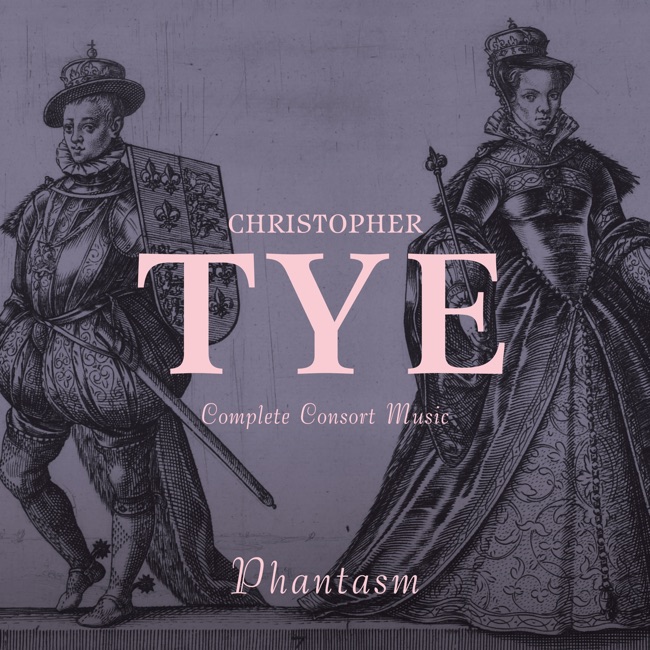
Works Info
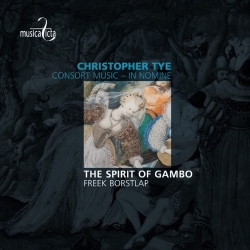
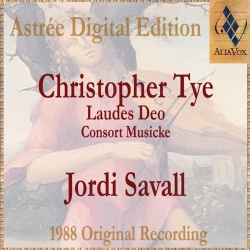
Composer:Christopher TyeGenre:VocalStyle:Vocal MusicAverage_duration:1:15Christopher Tye was an English composer and organist who lived during the Renaissance period. He was born in the early 16th century and died in the mid-16th century. Tye was known for his choral music, which was often written for the Anglican Church. One of his most famous works is the "In Nomine a 5 Re la re," which was composed in the mid-16th century. The "In Nomine a 5 Re la re" is a piece of instrumental music that was written for a consort of viols. It is a type of music that was popular during the Renaissance period and was often played at courtly events. The piece is based on a chant called "Gloria Tibi Trinitas," which was a common chant used in the Anglican Church. The "In Nomine a 5 Re la re" is divided into six movements, each of which is based on a different section of the "Gloria Tibi Trinitas" chant. The first movement is a slow and stately introduction that sets the tone for the rest of the piece. The second movement is a lively dance that features a lot of intricate rhythms and counterpoint. The third movement is a slower and more contemplative section that features a lot of beautiful harmonies. The fourth movement is a fast and lively dance that is full of energy and excitement. The fifth movement is a slow and mournful section that features a lot of expressive melodies. The final movement is a fast and lively dance that brings the piece to a thrilling conclusion. One of the characteristics of the "In Nomine a 5 Re la re" is its use of counterpoint. Tye was known for his skillful use of counterpoint, which is the technique of combining multiple melodies to create a complex and harmonious sound. The piece also features a lot of intricate rhythms and harmonies, which add to its complexity and beauty. The "In Nomine a 5 Re la re" was first performed in the mid-16th century, although the exact date of its premiere is not known. It was a popular piece of music during the Renaissance period and has continued to be performed and studied by musicians and scholars to this day. Its intricate melodies, complex harmonies, and skillful use of counterpoint make it a masterpiece of Renaissance music.More....
Works Music
Released Music
6
1:13
Featured Music