


Francesco Geminiani
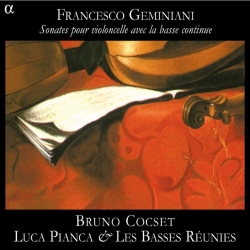
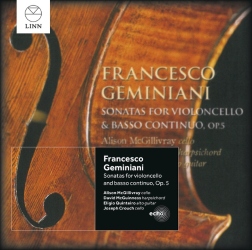
Sonata for cello & continuo No. 1 in A major, Op. 5/1
Released Album
Recent Album
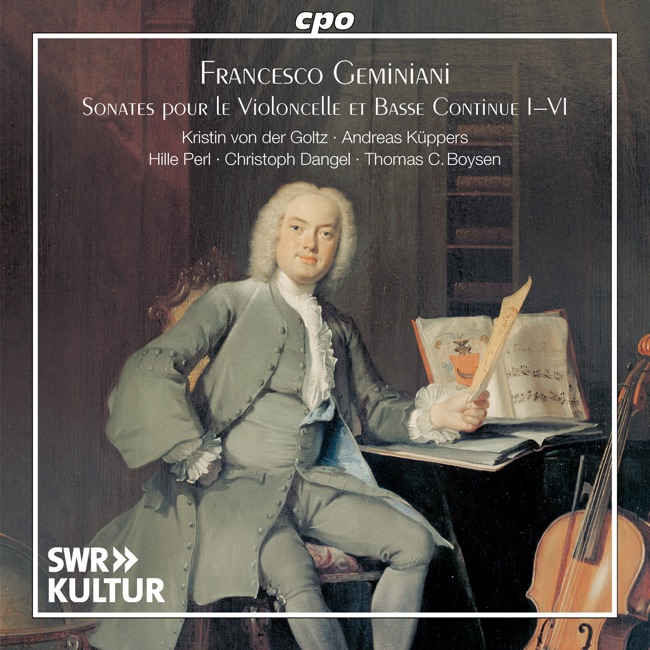
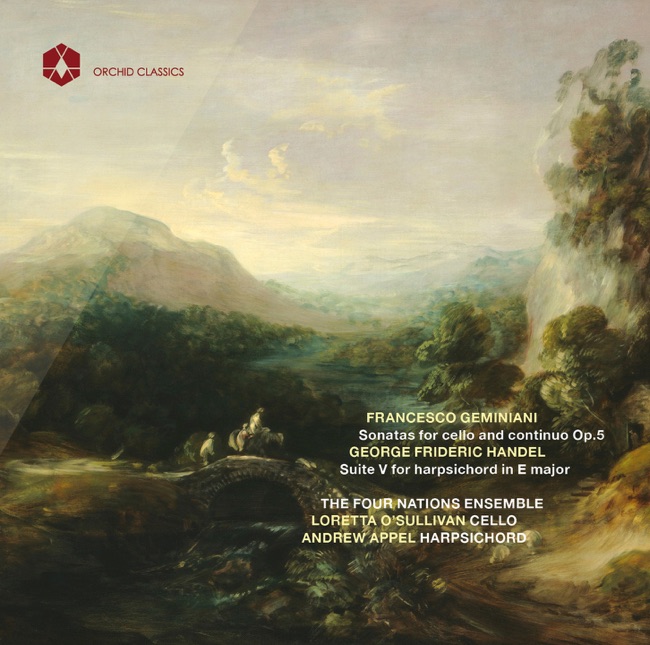
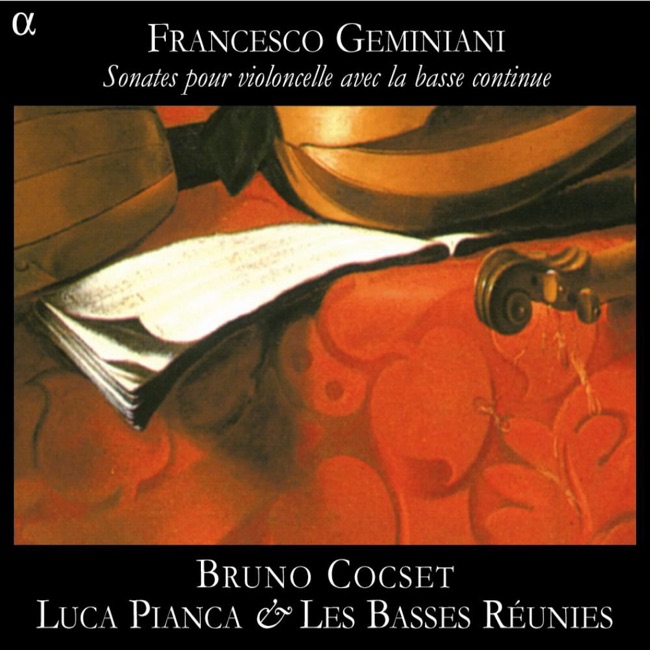
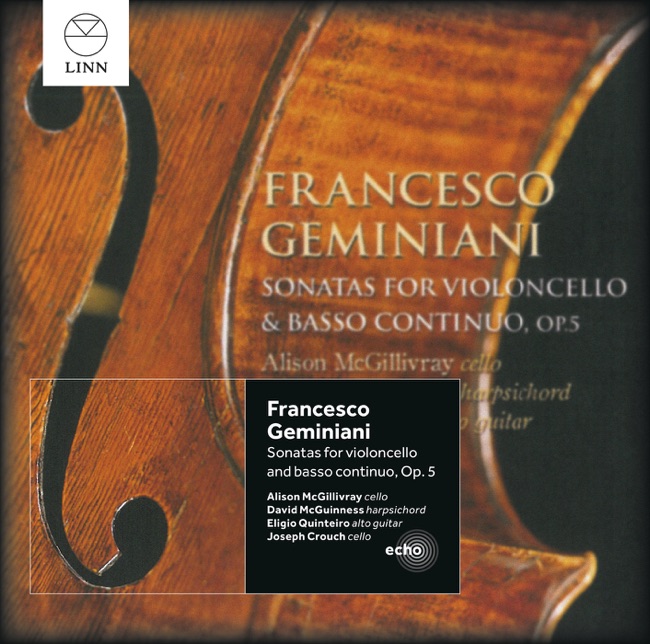
Featured Album

Works Info
Composer:Francesco GeminianiGenre:ChamberStyle:SonataCompose Date:1746Publication Date:1746Average_duration:10:34Movement_count:4Movement ....Francesco Geminiani's Sonata for cello & continuo No. 1 in A major, Op. 5/1, was composed in the early 18th century. The exact date of composition is unknown, but it is believed to have been written around 1726. The sonata was premiered in London, where Geminiani was living at the time, and it quickly became popular among cellists and music enthusiasts. The sonata consists of four movements: Adagio, Allegro, Adagio, and Allegro. The first movement, Adagio, is a slow and expressive introduction that sets the tone for the rest of the piece. The second movement, Allegro, is a lively and energetic dance that showcases the technical abilities of the cellist. The third movement, Adagio, is another slow and expressive section that provides a moment of reflection before the final movement. The fourth and final movement, Allegro, is a fast and lively dance that brings the sonata to a thrilling conclusion. One of the characteristics of Geminiani's Sonata for cello & continuo No. 1 is its use of the continuo, which is a group of instruments that provide harmonic support for the solo cello. The continuo in this sonata consists of a harpsichord and a bass instrument, such as a cello or a bassoon. The use of the continuo adds depth and richness to the sonata, and it allows the solo cello to shine. Another characteristic of the sonata is its use of ornamentation, which was a common feature of Baroque music. Ornamentation refers to the embellishments and decorations that are added to the melody to make it more expressive and interesting. Geminiani's Sonata for cello & continuo No. 1 is full of ornamentation, which adds to its beauty and complexity. Overall, Geminiani's Sonata for cello & continuo No. 1 in A major, Op. 5/1, is a masterpiece of Baroque music. Its four movements showcase the technical abilities of the solo cello, while the use of the continuo and ornamentation add depth and richness to the piece. It remains a popular and beloved work among cellists and music enthusiasts to this day.More....
Works Music
Released Music
1
2:14
2
2:0
3
3:46
4
1:40
5
2:19
6
3:11
7
3:48
Featured Music
1

1:57
2
3:15
3
46
4
3:49