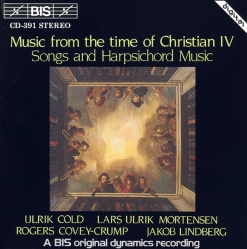
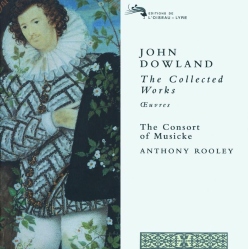
Melchior Schildt
Paduana Lachrymae (after J. Dowland)
Released Album
Recent Album
Featured Album
Works Info
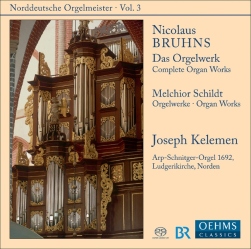
Composer:Melchior SchildtGenre:MiscellaneousStyle:MiscellaneousAverage_duration:5:53Melchior Schildt was a German composer and organist who lived during the early Baroque period. He was born in Hanover in 1592 and died in 1667. Schildt was a student of Jan Pieterszoon Sweelinck, who was one of the most important composers of the Dutch Golden Age. Schildt's music is characterized by its contrapuntal complexity and its use of chromaticism. One of Schildt's most famous works is his "Paduana Lachrymae (after J. Dowland)." This piece is a set of variations on a theme by the English composer John Dowland. The piece was composed in the early 17th century, although the exact date is unknown. It was likely premiered in Hanover, where Schildt was the court organist. The "Paduana Lachrymae" is a set of seven variations on Dowland's "Lachrimae Pavan." The piece is written for keyboard, and it is typically performed on the organ or harpsichord. The variations are all based on the same theme, which is a melancholy melody that is typical of Dowland's music. The first variation is a simple statement of the theme, with some added ornamentation. The second variation is more complex, with a faster tempo and more elaborate ornamentation. The third variation is a slower, more contemplative variation that features a lot of chromaticism. The fourth variation is a lively dance-like variation that features a lot of syncopation. The fifth variation is a more complex variation that features a lot of counterpoint. The sixth variation is a slower, more introspective variation that features a lot of ornamentation. The final variation is a fast and lively variation that brings the piece to a close. Overall, the "Paduana Lachrymae (after J. Dowland)" is a beautiful and complex piece of music that showcases Schildt's skill as a composer and organist. The piece is notable for its use of chromaticism, its contrapuntal complexity, and its emotional depth. It remains a popular piece of music among organists and harpsichordists today.More....
Works Music
Released Music
Featured Music