Marc-Antoine Charpentier
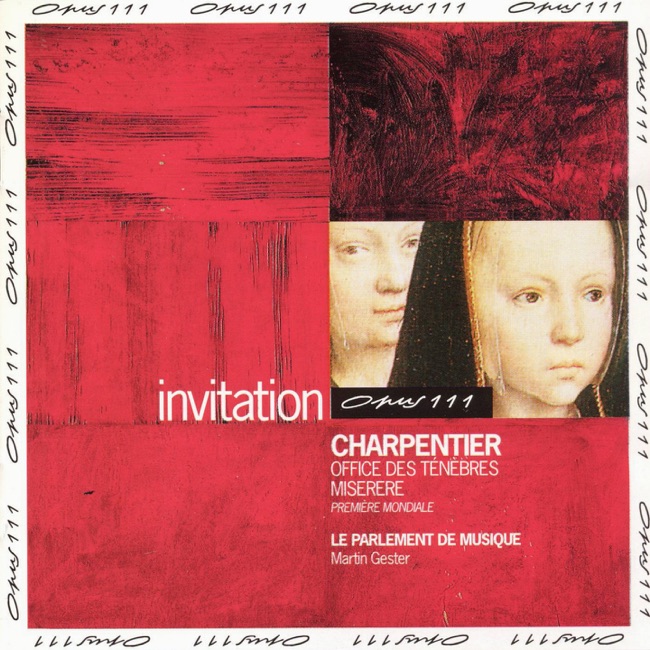
Miserere, H. 157
Released Album
Recent Album
Works Info
Composer:Marc-Antoine CharpentierGenre:ChoralStyle:ChoralCompose Date:1673Average_duration:18:49Movement_count:7Movement ....Marc-Antoine Charpentier's 'Miserere, H. 157' is a sacred choral work composed in the 17th century. The piece was likely composed in the 1680s, during Charpentier's time as the maître de musique at the Jesuit church of Saint-Louis in Paris. The work is scored for four-part choir and continuo, and is based on the text of Psalm 51, which is traditionally used during the season of Lent. The 'Miserere' is divided into nine movements, each of which sets a different section of the Psalm text. The first movement, 'Miserere mei, Deus', is a plaintive plea for mercy, sung by the choir in unison. The second movement, 'Tibi soli peccavi', is a confession of sin, set to a more complex choral texture. The third movement, 'Asperges me', is a request for purification, and features a solo voice singing the text over a simple continuo accompaniment. The fourth movement, 'Auditui meo', is a prayer for spiritual renewal, and features a lively choral fugue. The fifth movement, 'Cor mundum', is a meditation on the nature of the human heart, and features a solo voice singing the text over a gentle continuo accompaniment. The sixth movement, 'Ne projicias me', is a plea for God's protection, and features a choral texture that alternates between homophonic and polyphonic sections. The seventh movement, 'Docebo iniquos', is a declaration of faith, and features a lively choral fugue. The eighth movement, 'Libera me', is a plea for deliverance from sin and death, and features a solo voice singing the text over a complex continuo accompaniment. The final movement, 'Gloria Patri', is a doxology, sung by the choir in unison. Overall, the 'Miserere' is characterized by its expressive choral writing, which ranges from simple homophonic textures to complex polyphonic fugues. The work also features a variety of solo voices, which add color and variety to the overall texture. The 'Miserere' is a powerful example of Charpentier's skill as a composer of sacred music, and remains a popular work in the choral repertoire to this day.More....
Works Music
Released Music
1
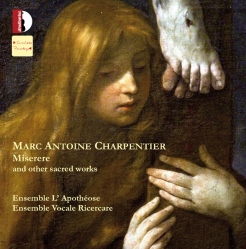
Miserere, H. 157
Miserere à 2 dessus, 2 flûtes et basse continue H. 157 "suivezau Recordare" H. 95 soprano, controtenore, 2flauti, continuo
15:35