Havergal Brian
Symphony No. 18
Released Album
Recent Album
Works Info
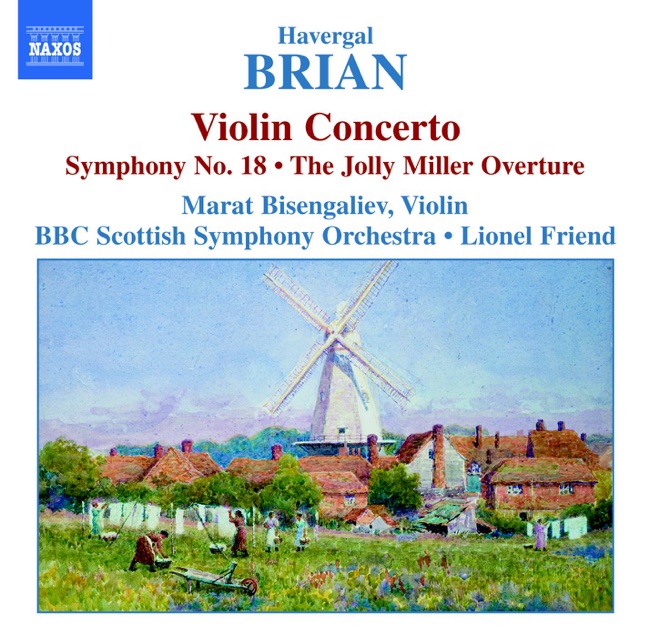
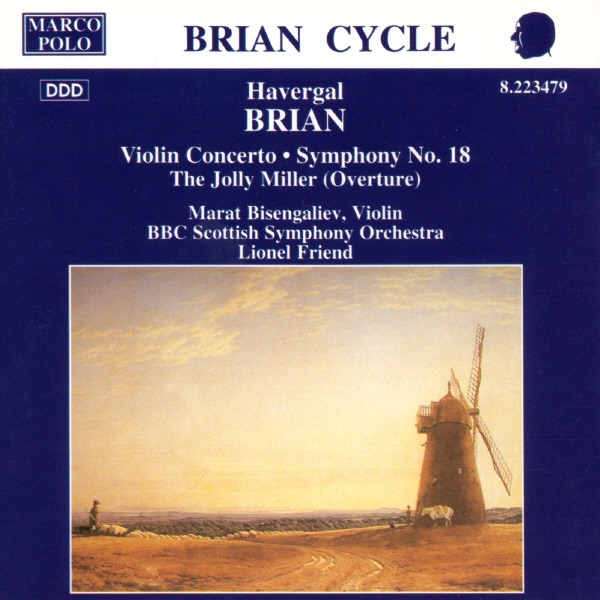
Composer:Havergal BrianGenre:SymphonyStyle:SymphonyAverage_duration:14:17Symphony No. 18 is a composition by Havergal Brian, a British composer who is known for his unconventional approach to music. The symphony was composed in 1961, when Brian was in his eighties, and it premiered on May 3, 1961, at the Royal Festival Hall in London. The symphony is divided into four movements, each with its own distinct character. The first movement, marked "Allegro moderato," is a lively and energetic piece that features a driving rhythm and a sense of urgency. The second movement, marked "Adagio," is a slow and contemplative piece that features lush harmonies and a sense of introspection. The third movement, marked "Scherzo," is a playful and whimsical piece that features a light and airy texture. The final movement, marked "Allegro con fuoco," is a fiery and intense piece that features a sense of drama and excitement. One of the most notable characteristics of Symphony No. 18 is its use of unconventional instrumentation. Brian employs a large orchestra, including a wide range of percussion instruments, such as gongs, cymbals, and tam-tams. He also uses a variety of brass and woodwind instruments, including bass clarinet, contrabassoon, and bass trombone. The result is a rich and complex sound that is both powerful and nuanced. Another characteristic of Symphony No. 18 is its use of unconventional harmonies and melodies. Brian often employs dissonant chords and unexpected melodic twists, creating a sense of tension and unpredictability. This approach to composition was typical of Brian's style, which was often described as "modernist" or "avant-garde." Overall, Symphony No. 18 is a complex and challenging work that showcases Brian's unique approach to composition. Despite its unconventional style, the symphony has been praised for its emotional depth and powerful impact.More....
Works Music
Released Music