Napoléon Coste
Etude for guitar in A minor, Op. 38/7
Released Album
Recent Album
Works Info
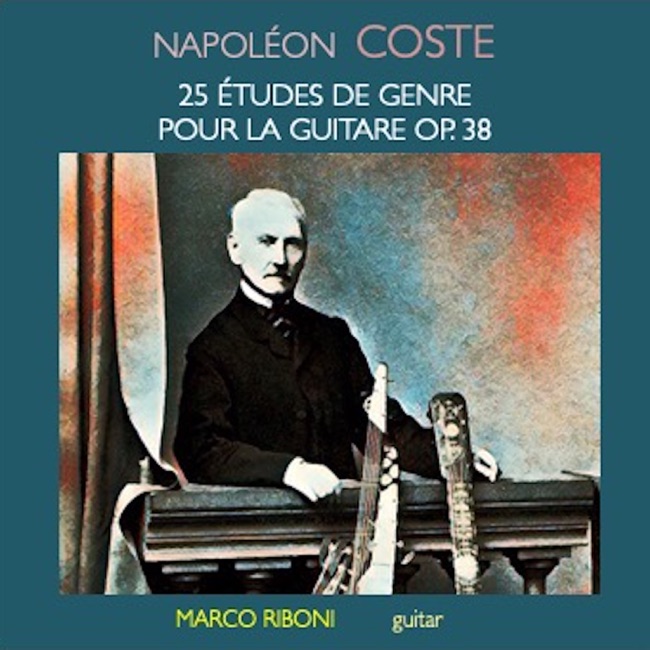
Composer:Napoléon CosteGenre:ChamberStyle:EtudeAverage_duration:2:00Etude for guitar in A minor, Op. 38/7 is a piece composed by Napoléon Coste, a French guitarist and composer who lived from 1805 to 1883. The piece was composed in the mid-19th century and was first published in 1863. It is one of Coste's most popular works and is often performed by guitarists today. The piece is composed of three movements, each with its own distinct character. The first movement is marked Allegro moderato and is in A minor. It begins with a fast and lively arpeggio that sets the tone for the rest of the piece. The melody is then introduced, which is characterized by its use of syncopation and chromaticism. The movement is full of technical challenges for the guitarist, including rapid scale runs and arpeggios. The second movement is marked Andantino and is in C major. It is a slower and more lyrical movement than the first, with a beautiful melody that is played over a simple accompaniment. The melody is characterized by its use of legato phrasing and expressive dynamics. The movement is a nice contrast to the first, showcasing Coste's ability to write in different styles. The third movement is marked Allegro and is in A minor. It is a fast and virtuosic movement that showcases the guitarist's technical abilities. The movement is full of rapid scale runs, arpeggios, and intricate fingerings. The melody is characterized by its use of syncopation and chromaticism, similar to the first movement. Overall, Etude for guitar in A minor, Op. 38/7 is a challenging and rewarding piece for guitarists to play. It showcases Coste's ability to write in different styles and his technical prowess as a guitarist. The piece is a testament to Coste's importance in the development of the guitar as a solo instrument in the 19th century.More....
Works Music