


Michel Pignolet de Montéclair
Troisième Concert for traverse flute & continuo
Released Album
Recent Album
Works Info
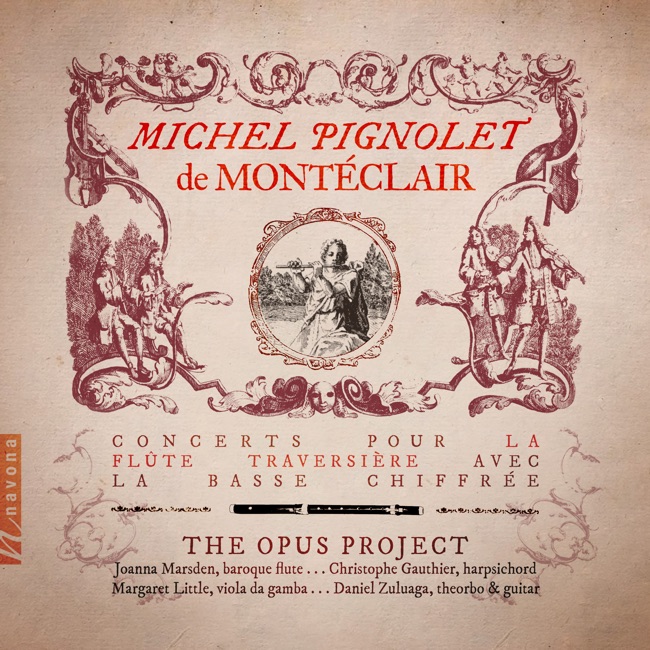
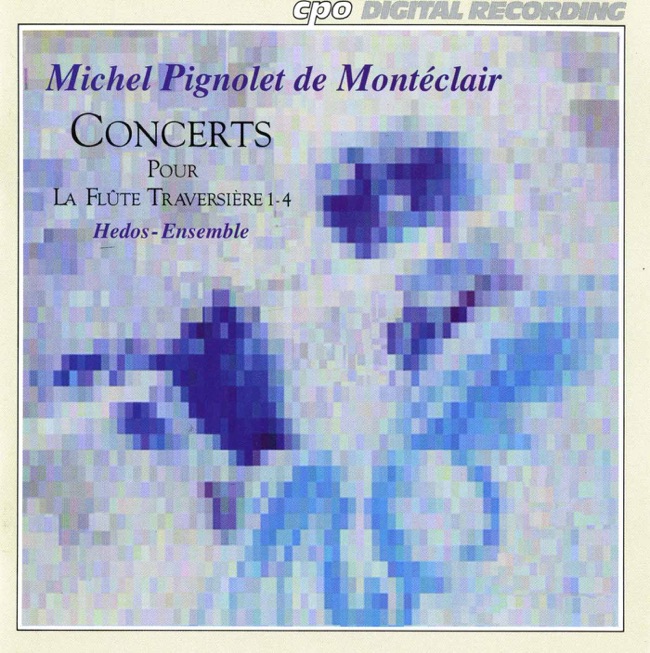
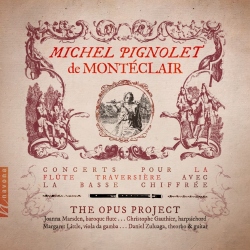
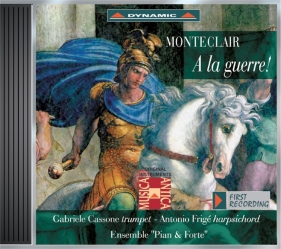
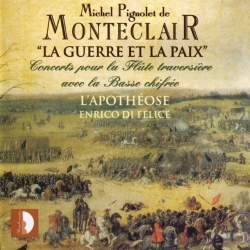
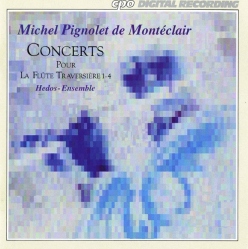
Composer:Michel Pignolet de MontéclairGenre:ChamberStyle:Chamber MusicCompose Date:1724 - 1725Average_duration:29:31Michel Pignolet de Montéclair was a French composer and flutist who lived from 1667 to 1737. He was a prominent figure in the French Baroque music scene and composed a number of works for various instruments, including the flute. One of his most famous works for the flute is the Troisième Concert for traverse flute & continuo. The Troisième Concert was composed in the early 18th century and premiered in Paris in 1728. It is a three-movement work that showcases the virtuosity of the flute and the interplay between the flute and the continuo (usually a harpsichord or cello). The first movement is marked "Grave" and is a slow, stately introduction that sets the mood for the rest of the piece. The second movement is marked "Allegro" and is a lively, dance-like movement that features intricate flute runs and playful interjections from the continuo. The final movement is marked "Gavotte" and is a graceful, elegant dance that brings the piece to a satisfying conclusion. One of the characteristics of the Troisième Concert is its use of ornamentation. Montéclair was known for his skill in ornamentation and the Troisième Concert is no exception. The flute part is full of trills, turns, and other embellishments that add to the beauty and complexity of the piece. Another characteristic of the Troisième Concert is its use of counterpoint. Montéclair was a master of counterpoint and the interplay between the flute and the continuo in this piece is a testament to his skill in this area. Overall, the Troisième Concert for traverse flute & continuo is a beautiful and challenging work that showcases the talents of both the flute player and the continuo player. Its intricate ornamentation and masterful use of counterpoint make it a classic of the French Baroque repertoire.More....
Works Music
Released Music
4
1:59