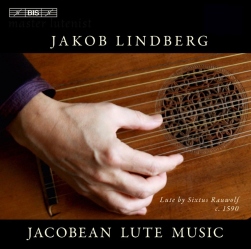
Thomas Robinson
A Gigue (29)
Released Album
Recent Album
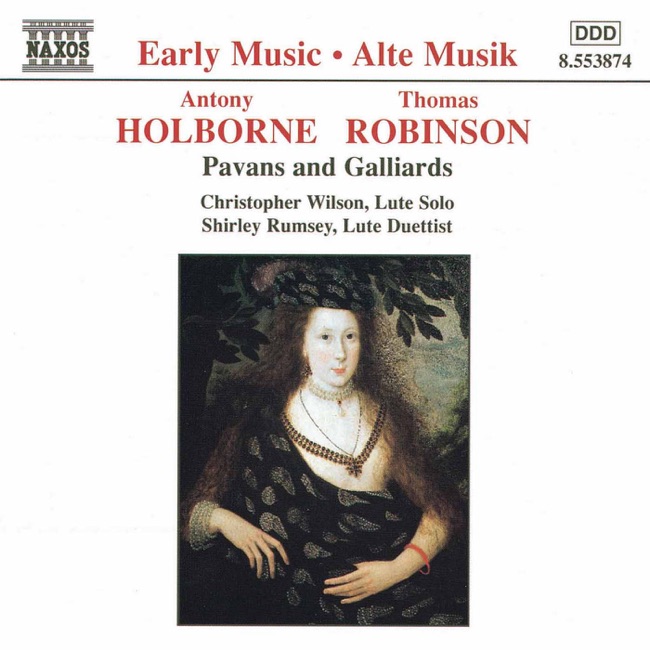
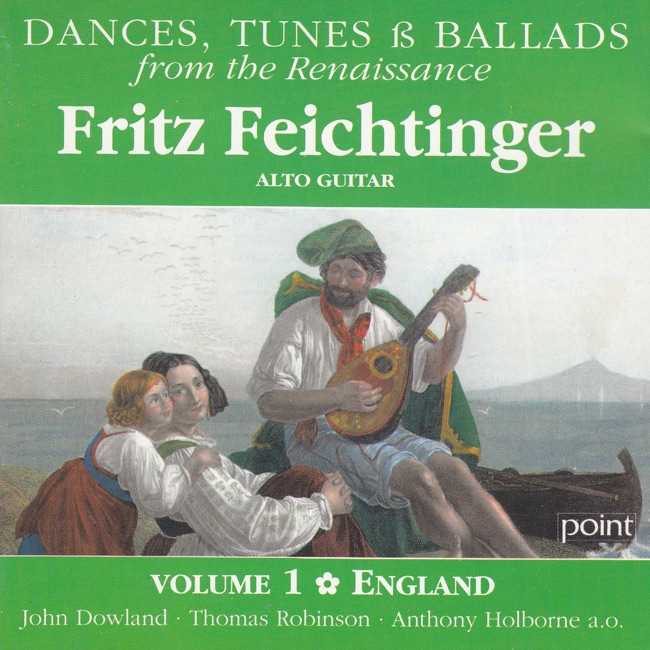
Featured Album
Works Info
Composer:Thomas RobinsonGenre:ChamberStyle:Jig / GigueAverage_duration:2:11Thomas Robinson was an English lutenist and composer who lived during the Renaissance period. He is known for his contributions to the development of the lute as a solo instrument and for his compositions for the instrument. One of his most famous works is "A Gigue (29)", which was composed in the late 16th century. The exact date of composition of "A Gigue (29)" is not known, but it is believed to have been written sometime between 1589 and 1609. The piece is a solo work for the lute and is written in the key of G major. It is a lively and energetic piece that is typical of the gigue dance form. The piece is divided into three movements, each with its own distinct character. The first movement is marked "Allegro" and is a fast and lively dance in triple meter. The second movement is marked "Adagio" and is a slower, more contemplative piece that provides a contrast to the first movement. The third movement is marked "Allegro" and is a return to the fast and lively dance of the first movement. The piece is characterized by its use of intricate fingerpicking patterns and its use of ornamentation, such as trills and mordents. It also features a number of technical challenges for the performer, including rapid scale passages and complex chord progressions. Overall, "A Gigue (29)" is a fine example of the lute music of the Renaissance period. It showcases Robinson's skill as a composer and his understanding of the capabilities of the lute as a solo instrument. Its lively and energetic character makes it a popular choice for lutenists and audiences alike.More....
Works Music
Released Music
Featured Music