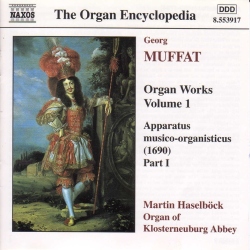
Georg Muffat
Toccata for organ No. 3
Released Album
Recent Album
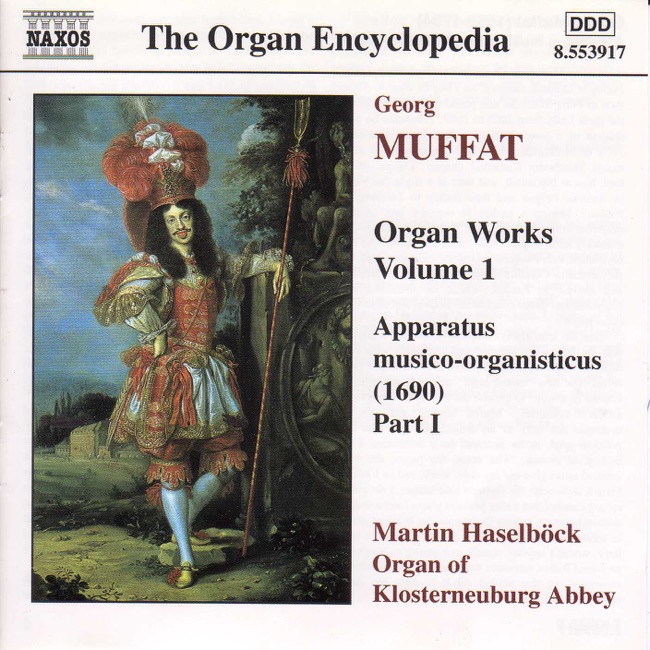
Works Info
Composer:Georg MuffatGenre:KeyboardStyle:ToccataCompose Date:1690Publication Date:1690Average_duration:5:41Georg Muffat was a Baroque composer and organist who was born in Savoy, France in 1653. He was known for his keyboard works, particularly his toccatas for organ. One of his most famous works is the Toccata for organ No. 3, which was composed in the late 17th century. The Toccata for organ No. 3 is a solo keyboard work that is characterized by its virtuosic and improvisatory style. It is written in the key of F major and is comprised of three movements: a prelude, a fugue, and a toccata. The prelude is a short, improvisatory introduction that sets the stage for the rest of the piece. The fugue is a contrapuntal movement that features a single theme that is developed throughout the piece. The toccata is a fast and lively movement that showcases the performer's technical abilities. The Toccata for organ No. 3 premiered in the late 17th century, although the exact date is unknown. It was likely performed by Muffat himself, who was known for his virtuosic keyboard playing. The piece was well-received by audiences and quickly became one of Muffat's most popular works. One of the key characteristics of the Toccata for organ No. 3 is its use of improvisation. Muffat was known for his ability to improvise on the organ, and this skill is evident in the piece. The prelude and toccata movements in particular feature sections that are marked "ad libitum," which means that the performer is free to improvise within certain parameters. Another characteristic of the Toccata for organ No. 3 is its use of counterpoint. The fugue movement in particular is a masterful example of Muffat's contrapuntal skills. The theme is passed between the different voices of the organ, creating a complex and intricate texture. Overall, the Toccata for organ No. 3 is a virtuosic and improvisatory work that showcases Muffat's skills as a composer and performer. Its popularity has endured for centuries, and it remains a beloved piece in the organ repertoire.More....
Works Music