Jean-Baptiste Lully
Dies irae, LWV 64/1
Released Album
Recent Album
Works Info
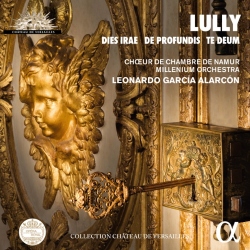
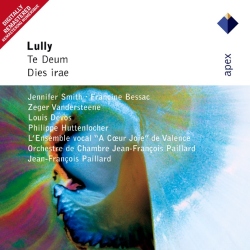
Composer:Jean-Baptiste LullyGenre:ChoralStyle:MotetCompose Date:1683Publication Date:1684Average_duration:18:29'Dies irae, LWV 64/1' is a choral masterpiece composed by Jean-Baptiste Lully, a French composer of the Baroque era. The piece was composed in 1677 and premiered at the Royal Chapel in Versailles, France. It is a part of Lully's 'Te Deum', which is a grand religious work composed to celebrate the victory of Louis XIV in the Franco-Dutch War. 'Dies irae' is the first movement of the 'Te Deum' and is a powerful and dramatic choral piece. The title 'Dies irae' translates to 'Day of Wrath' in Latin, and the piece reflects the apocalyptic imagery of the Last Judgment. The music is characterized by its use of dissonance, chromaticism, and dramatic contrasts between loud and soft dynamics. The piece begins with a solemn and ominous introduction, with the choir singing in unison to the accompaniment of a basso continuo. The music gradually builds in intensity, with the choir singing in harmony and the orchestra adding layers of sound. The text of the piece is taken from the Latin Requiem Mass, and the choir sings of the terror and awe of the Last Judgment. The middle section of the piece features a solo soprano singing a haunting melody, accompanied by a solo violin. The music is ethereal and otherworldly, contrasting with the powerful choral sections that surround it. The final section of the piece returns to the full choir, with the music building to a climactic finish. The choir sings of the hope of salvation and the mercy of God, bringing the piece to a triumphant conclusion. Overall, 'Dies irae, LWV 64/1' is a stunning example of Lully's mastery of choral composition. The piece is a powerful and dramatic reflection on the themes of judgment, redemption, and salvation, and remains a beloved work of the Baroque era.More....