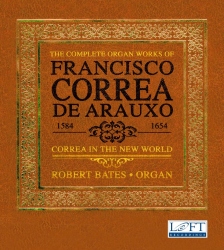
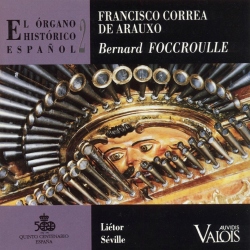
Francisco Correa de Arrauxo
Tiento de quarto tono
Released Album
Recent Album
Works Info
Composer:Francisco Correa de ArrauxoGenre:KeyboardAverage_duration:7:45Francisco Correa de Arrauxo was a Spanish composer and organist who lived during the late Renaissance period. He is known for his keyboard music, particularly his tientos, which were a type of instrumental composition for the organ. One of his most famous tientos is the "Tiento de quarto tono," which was composed in the early 17th century. The piece is in the key of D and is written for the organ. It is a complex and virtuosic work that showcases the technical abilities of the performer. The "Tiento de quarto tono" is divided into several movements, each with its own distinct character. The first movement is a lively and energetic toccata that features rapid arpeggios and runs up and down the keyboard. The second movement is a more contemplative and introspective section that explores the tonality of the piece. The third movement is a lively and rhythmic dance that features syncopated rhythms and playful melodies. The final movement is a grand and majestic fugue that brings the piece to a thrilling conclusion. One of the characteristics of the "Tiento de quarto tono" is its use of counterpoint. The piece features multiple voices that weave in and out of each other, creating a complex and intricate texture. Another characteristic is its use of ornamentation. The piece is filled with trills, mordents, and other embellishments that add to its virtuosic character. The "Tiento de quarto tono" premiered during the Baroque period, a time when music was becoming more complex and ornate. It was a popular piece among organists and was often performed in churches and other religious settings. Overall, the "Tiento de quarto tono" is a masterpiece of keyboard music that showcases the technical abilities of the performer while also exploring the tonality and complexity of the organ. Its intricate counterpoint and ornate embellishments make it a challenging and rewarding piece for both performers and listeners alike.More....