Lord Berners
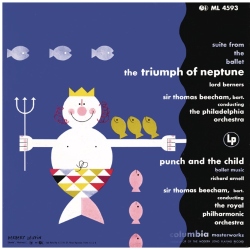
Triumph of Neptune
Released Album
Recent Album



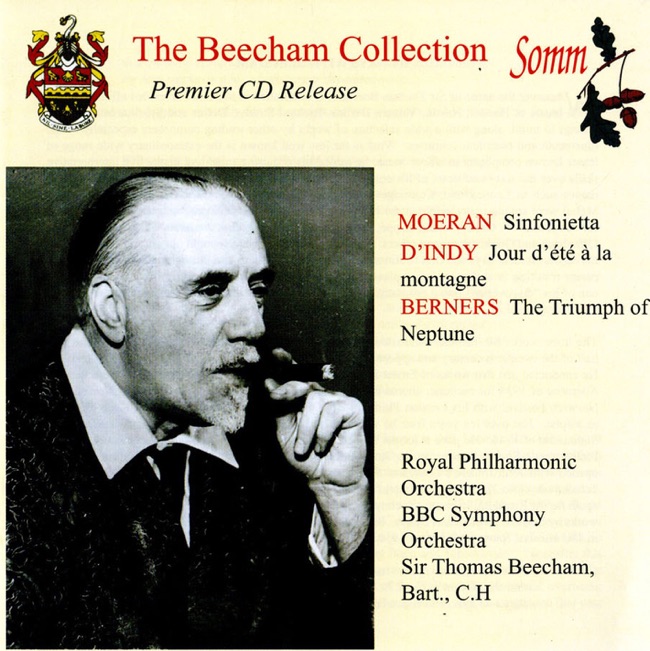
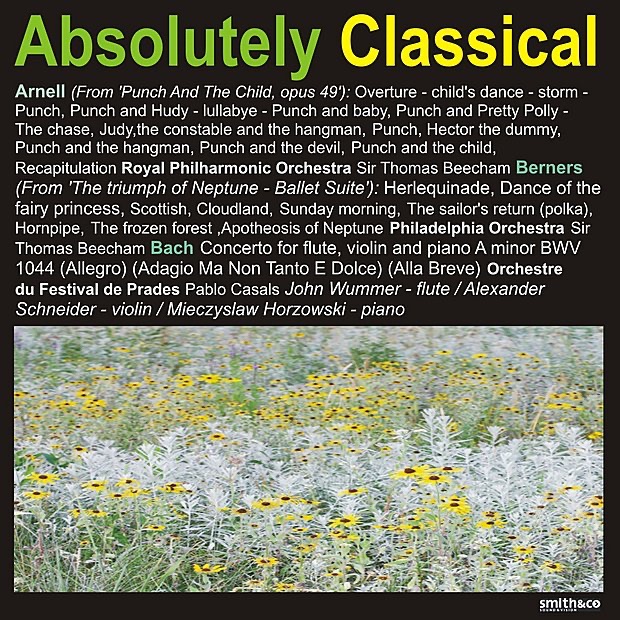

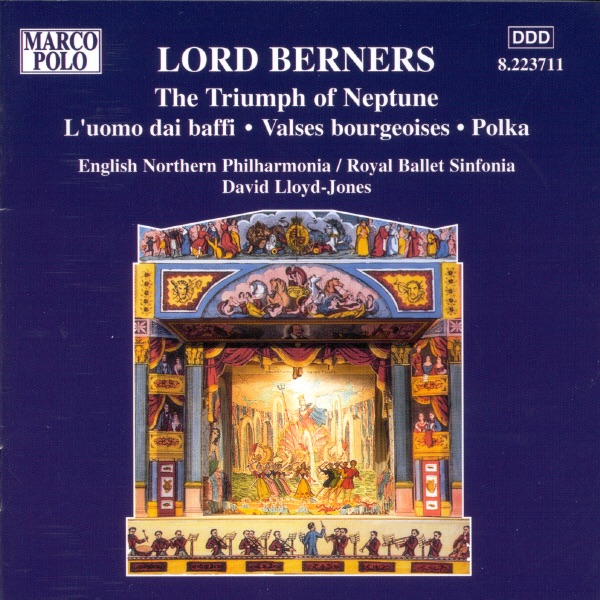
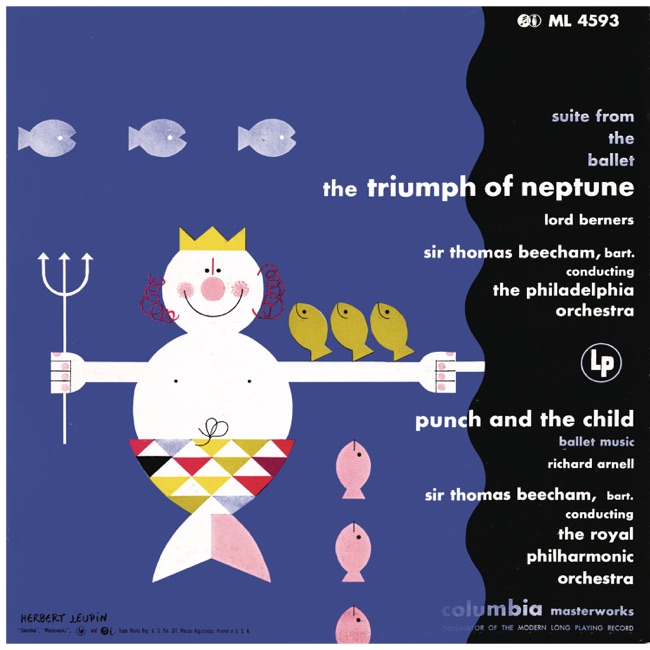
Works Info
Composer:Lord BernersGenre:BalletStyle:BalletCompose Date:1926Average_duration:43:04Movement_count:19Movement ....'Triumph of Neptune' is a ballet composed by Lord Berners in 1926. The plot of the ballet revolves around the Roman god Neptune and his triumph over the sea. The ballet is divided into three movements, each depicting a different aspect of Neptune's power. The first movement, titled "The Sea," begins with a depiction of the calm and peaceful sea. As the music builds, the sea becomes more turbulent, and the dancers portray the waves crashing against the shore. The movement ends with a triumphant fanfare as Neptune appears, riding on a chariot pulled by sea horses. The second movement, titled "The Tritons," features a group of male dancers dressed as Tritons, the half-human, half-fish creatures who serve Neptune. The music is lively and playful, and the dancers perform intricate and acrobatic choreography. The final movement, titled "The Triumph of Neptune," is the climax of the ballet. Neptune is surrounded by his court, including the Tritons and sea nymphs. The music is grand and majestic, and the dancers perform a series of impressive lifts and leaps. The movement ends with Neptune ascending to his throne, surrounded by his loyal subjects. 'Triumph of Neptune' premiered on June 3, 1926, at the Alhambra Theatre in London. The ballet was well-received by audiences and critics alike, with many praising Berners' innovative score and the choreography by Frederick Ashton. One of the characteristics of 'Triumph of Neptune' is its use of unconventional instruments, such as the typewriter and the vacuum cleaner, in addition to traditional orchestral instruments. This reflects Berners' interest in experimental music and his desire to push the boundaries of classical composition. Overall, 'Triumph of Neptune' is a vibrant and dynamic ballet that showcases Berners' unique musical style and Ashton's innovative choreography. Its enduring popularity is a testament to its timeless appeal and its place in the canon of classical ballet.More....
Works Music
Released Music



Recommend Playlist