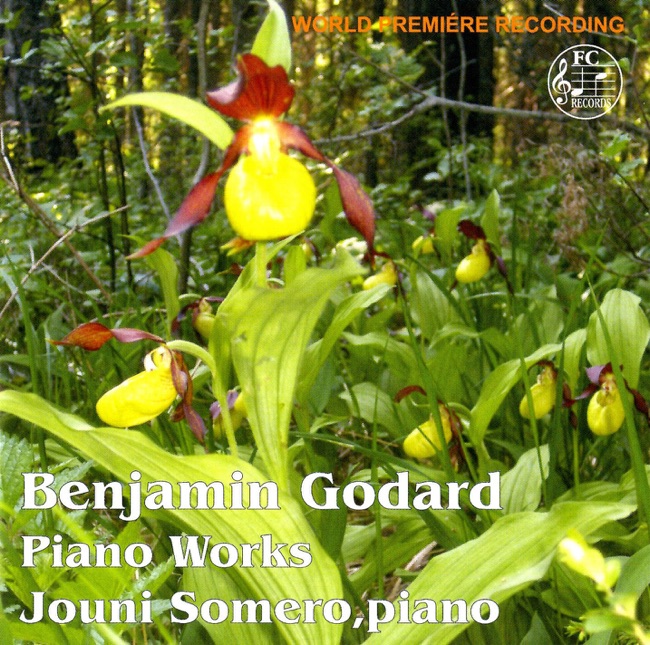
Benjamin Godard
Valse chromatique, Op. 88
Released Album
Recent Album
-
-
-
 Various ArtistsSeptember 1, 2006
Works Info
Composer:Benjamin GodardGenre:KeyboardStyle:KeyboardAverage_duration:3:09Benjamin Godard's 'Valse chromatique, Op. 88' is a beautiful and intricate piece of music that was composed in the late 19th century. The piece was first premiered in Paris in 1890 and quickly became a popular choice for pianists and music lovers alike. The 'Valse chromatique' is a waltz, which means that it is written in triple time and has a characteristic 1-2-3, 1-2-3 rhythm. However, what sets this waltz apart from others is its use of chromaticism. Chromaticism is the use of notes that are not part of the key signature, which creates a sense of tension and dissonance in the music. Godard uses chromaticism throughout the piece to create a sense of drama and excitement. The 'Valse chromatique' is made up of three movements. The first movement is marked 'Allegro moderato' and is the most lively and energetic of the three. It begins with a series of arpeggios that set the tone for the rest of the piece. The second movement is marked 'Andante' and is much slower and more contemplative. It features a beautiful melody that is played by the right hand while the left hand provides a gentle accompaniment. The final movement is marked 'Allegro vivace' and is the most technically challenging of the three. It features rapid runs and arpeggios that require a high level of skill and dexterity from the pianist. Overall, the 'Valse chromatique' is a stunning piece of music that showcases Godard's skill as a composer. Its use of chromaticism and intricate melodies make it a challenging but rewarding piece to play. It remains a popular choice for pianists today and is a testament to Godard's enduring legacy as a composer.More....
Works Music