


Georg Philipp Telemann
Sonata for flute, viola da gamba & continuo in A minor, TWV 42:a7
Released Album
Recent Album
Works Info
Composer:Georg Philipp TelemannGenre:ChamberStyle:SonataCompose Date:before 1768Average_duration:8:08Movement_count:4Movement ....Georg Philipp Telemann's Sonata for flute, viola da gamba & continuo in A minor, TWV 42:a7, was composed in the early 18th century. The exact date of composition is unknown, but it is believed to have been written between 1712 and 1728. The sonata was premiered in Hamburg, Germany, where Telemann was the director of music for the city. The sonata consists of four movements: Largo, Allegro, Dolce, and Allegro. The first movement, Largo, is a slow and expressive introduction that sets the mood for the rest of the sonata. The second movement, Allegro, is a lively and energetic dance-like piece that showcases the virtuosity of the flute and viola da gamba. The third movement, Dolce, is a sweet and lyrical piece that features the flute and viola da gamba in a duet. The final movement, Allegro, is a fast and lively piece that brings the sonata to a thrilling conclusion. The sonata is characterized by its use of counterpoint, which is the technique of combining two or more melodic lines in a way that creates a harmonious whole. Telemann was a master of counterpoint, and he uses it to great effect in this sonata. The flute and viola da gamba often play different melodies that intertwine and complement each other, creating a rich and complex texture. Another characteristic of the sonata is its use of ornamentation. Ornamentation is the practice of adding decorative flourishes to a melody, and it was a common technique in Baroque music. Telemann uses ornamentation to add interest and variety to the melodies in the sonata, and the flute and viola da gamba often take turns embellishing the melodies. Overall, Telemann's Sonata for flute, viola da gamba & continuo in A minor, TWV 42:a7, is a beautiful and complex piece of music that showcases the talents of the flute and viola da gamba. Its use of counterpoint and ornamentation make it a quintessential example of Baroque music, and it remains a popular piece in the repertoire of classical musicians today.More....
Works Music
Released Music
1
7:7
2
2:14
3
Sonata for flute, viola da gamba & continuo in A minor, TWV 42:a7
I. Andante, II. Allegro, III. Adagio, IV. Allegro
7:7
4
1:59
6
2:16
7
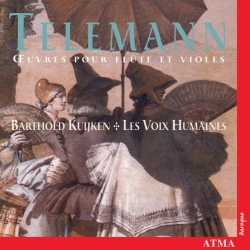
2:25
8
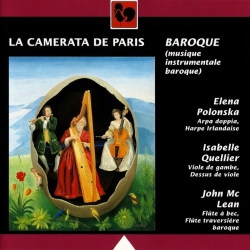
2:18
9
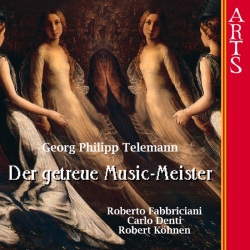
2:32
10
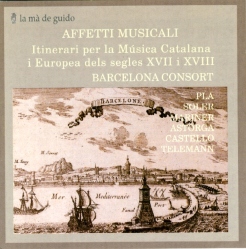
2:36