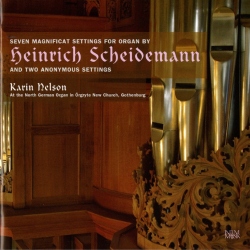
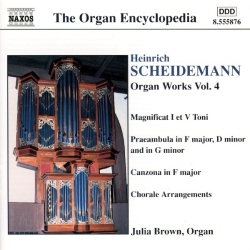
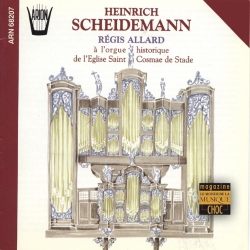
Heinrich Scheidemann
Magnificat im 1 Ton, WV 14
Released Album
Recent Album
Works Info
Composer:Heinrich ScheidemannGenre:ChoralStyle:MagnificatAverage_duration:12:23Movement_count:4Movement ....Heinrich Scheidemann's 'Magnificat im 1 Ton, WV 14' is a choral work that was composed in the early 17th century. The piece is believed to have been written around 1620, during Scheidemann's tenure as the organist at the St. Catherine's Church in Hamburg, Germany. The 'Magnificat im 1 Ton' is one of Scheidemann's most famous works and is considered a masterpiece of the early Baroque period. The 'Magnificat im 1 Ton' is a setting of the Magnificat, a hymn of praise to the Virgin Mary that is traditionally sung during the evening prayer service of the Catholic Church. The piece is written for a five-part choir, with two sopranos, alto, tenor, and bass, and is accompanied by a basso continuo. The work is divided into eight movements, each of which corresponds to a different section of the Magnificat text. The first movement, 'Magnificat anima mea Dominum,' is a lively and joyful setting of the opening lines of the Magnificat. The second movement, 'Et exultavit spiritus meus,' is a more subdued and introspective piece that reflects on the speaker's own feelings of joy and exultation. The third movement, 'Quia respexit humilitatem ancillae suae,' is a gentle and tender setting of the text that emphasizes the humility and meekness of the Virgin Mary. The fourth movement, 'Quia fecit mihi magna qui potens est,' is a grand and majestic piece that celebrates the power and greatness of God. The fifth movement, 'Et misericordia eius a progenie in progenies,' is a gentle and flowing setting of the text that emphasizes the mercy and compassion of God. The sixth movement, 'Fecit potentiam in brachio suo,' is a powerful and energetic piece that celebrates the strength and might of God. The seventh movement, 'Deposuit potentes de sede,' is a dramatic and forceful setting of the text that reflects on the overthrow of the powerful and the elevation of the lowly. The final movement, 'Esurientes implevit bonis,' is a joyful and celebratory piece that reflects on the abundance and generosity of God. Overall, the 'Magnificat im 1 Ton' is a masterful work that showcases Scheidemann's skill as a composer and his deep understanding of the text and its meaning. The piece is characterized by its rich harmonies, expressive melodies, and intricate counterpoint, and is considered a landmark of the early Baroque period.More....