Heinrich Schütz
Deus misereatur nostri, SWV 55 (Op. 4/3)
Released Album
Recent Album
Works Info
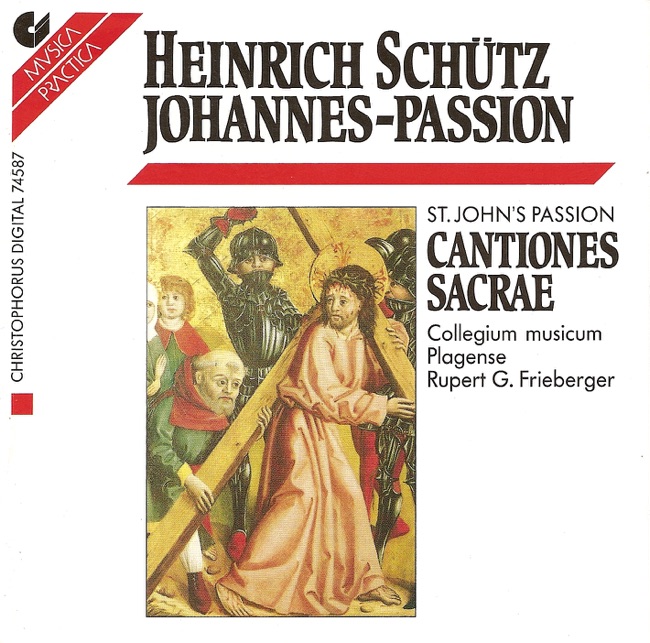
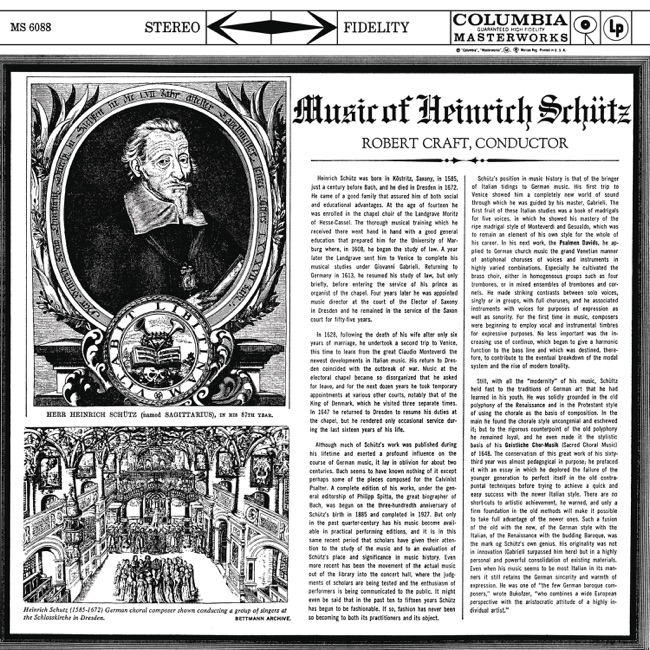
Composer:Heinrich SchützGenre:ChoralStyle:ChoralPublication Date:1625Average_duration:2:19Heinrich Schütz's 'Deus misereatur nostri, SWV 55 (Op. 4/3)' is a sacred choral work that was composed in the early 17th century. The piece was first performed in 1619 in Dresden, Germany, and is part of Schütz's larger collection of sacred works known as the 'Symphoniae sacrae'. The piece is divided into three movements, each of which is characterized by its own unique musical style and structure. The first movement is a setting of the Latin text 'Deus misereatur nostri' (God have mercy on us), and is written in a homophonic style, with the choir singing in unison or in simple harmonies. The second movement is a setting of the text 'Gloria Patri' (Glory to the Father), and is written in a more complex polyphonic style, with the choir singing in multiple parts. The final movement is a repeat of the first, with the addition of a final 'Amen' at the end. One of the most notable characteristics of 'Deus misereatur nostri' is its use of chromaticism, which was a relatively new technique at the time of its composition. Schütz uses chromaticism to create a sense of tension and release throughout the piece, and to highlight certain words or phrases in the text. The piece also features a number of dynamic contrasts, with the choir alternating between loud and soft passages to create a sense of drama and intensity. Overall, 'Deus misereatur nostri' is a powerful and moving work that showcases Schütz's skill as a composer of sacred music. Its use of chromaticism and dynamic contrasts make it a particularly innovative piece for its time, and it remains a popular choice for choirs and audiences alike.More....
Works Music