Astor Piazzolla
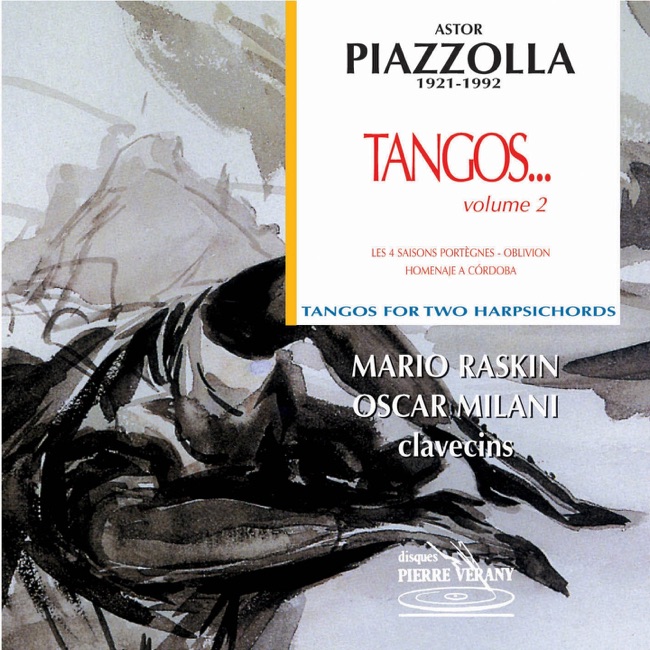
Homenaje a Córdoba
Released Album
Recent Album

Featured Album
Works Info
Composer:Astor PiazzollaGenre:ChamberStyle:Chamber MusicCompose Date:1972Average_duration:7:13Homenaje a Córdoba is a composition by the Argentine composer Astor Piazzolla. It was composed in 1972 as a tribute to the city of Córdoba, Argentina, where Piazzolla spent part of his childhood. The piece was premiered in 1973 by the Orquesta Sinfónica de Córdoba, conducted by Leo Brouwer. Homenaje a Córdoba is a single-movement work that lasts approximately 10 minutes. The piece is scored for solo guitar and string orchestra, and it is characterized by Piazzolla's signature blend of traditional Argentine tango music with elements of jazz and classical music. The piece begins with a slow, mournful introduction played by the strings, which sets the mood for the rest of the work. The guitar then enters with a series of virtuosic runs and arpeggios, which are accompanied by the strings playing a rhythmic tango figure. The guitar and strings then engage in a call-and-response dialogue, with the guitar playing a melodic line and the strings responding with a counterpoint. The middle section of the piece features a more improvisatory section, with the guitar playing a series of variations on the tango theme. The strings provide a lush, harmonic backdrop for the guitar, which is free to explore different melodic and rhythmic ideas. The final section of the piece returns to the opening theme, but with a more upbeat and celebratory feel. The guitar and strings engage in a lively dance, with the guitar playing rapid-fire runs and the strings providing a driving rhythm. The piece ends with a flourish, with the guitar playing a final virtuosic run and the strings providing a triumphant chord. Overall, Homenaje a Córdoba is a beautiful and evocative tribute to Piazzolla's hometown. The piece showcases Piazzolla's unique blend of musical styles and his virtuosic guitar playing, and it is a testament to his enduring legacy as one of the greatest composers of the 20th century.More....