Tarquinio Merula
Canzone seconda
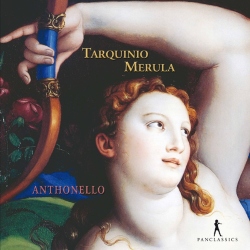
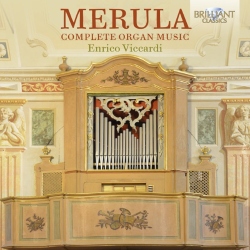
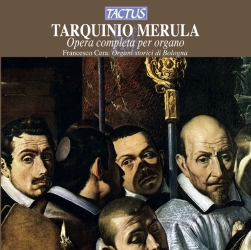
Released Album
Recent Album
Works Info
Composer:Tarquinio MerulaGenre:KeyboardStyle:CanzonaAverage_duration:3:48Tarquinio Merula was an Italian composer of the Baroque era, born in Cremona in 1595. He was a prolific composer of vocal and instrumental music, and his works were widely performed during his lifetime. One of his most famous compositions is the Canzone seconda, which was composed in the early 17th century. The Canzone seconda is a piece of instrumental music that was originally written for a group of instruments, including violins, violas, and basso continuo. It is a three-movement work that is characterized by its lively rhythms, intricate counterpoint, and expressive melodies. The first movement of the Canzone seconda is marked by its fast tempo and lively rhythms. It is written in a fugal style, with the different instruments entering one by one and playing off of each other in a complex interplay of melodies and harmonies. The movement is full of energy and excitement, and it showcases Merula's skill at writing intricate and engaging music. The second movement of the Canzone seconda is a slower, more contemplative piece. It is marked by its expressive melodies and rich harmonies, and it provides a contrast to the fast-paced energy of the first movement. The movement is characterized by its use of suspensions and dissonances, which create a sense of tension and release that is typical of Baroque music. The final movement of the Canzone seconda is a lively dance that is full of energy and excitement. It is marked by its fast tempo and intricate rhythms, and it showcases Merula's skill at writing music that is both technically challenging and musically engaging. The movement is full of virtuosic passages for the different instruments, and it provides a thrilling conclusion to the piece. Overall, the Canzone seconda is a masterful work of Baroque instrumental music. It showcases Merula's skill at writing complex and engaging music, and it provides a glimpse into the vibrant musical culture of early 17th-century Italy. The piece was likely premiered in the early 17th century, and it remains a popular work in the Baroque repertoire to this day.More....
Works Music
Released Music