William Hurlstone
Piano Trio in G major
Released Album
Recent Album
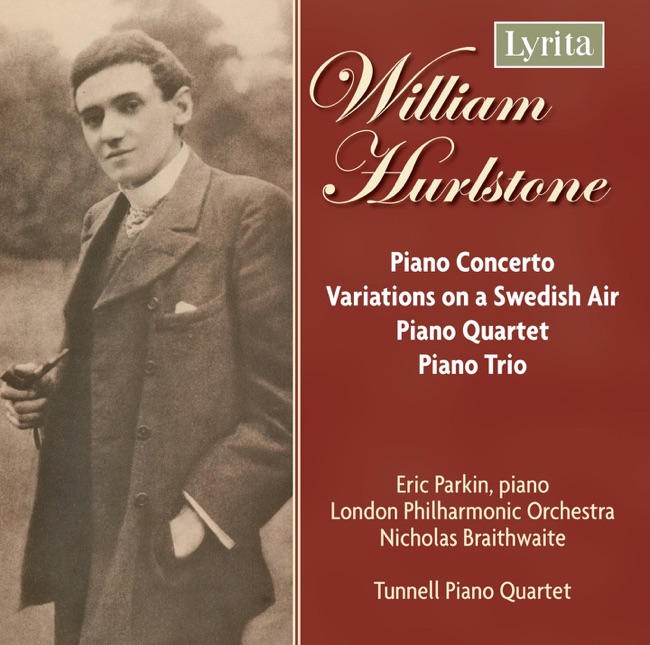
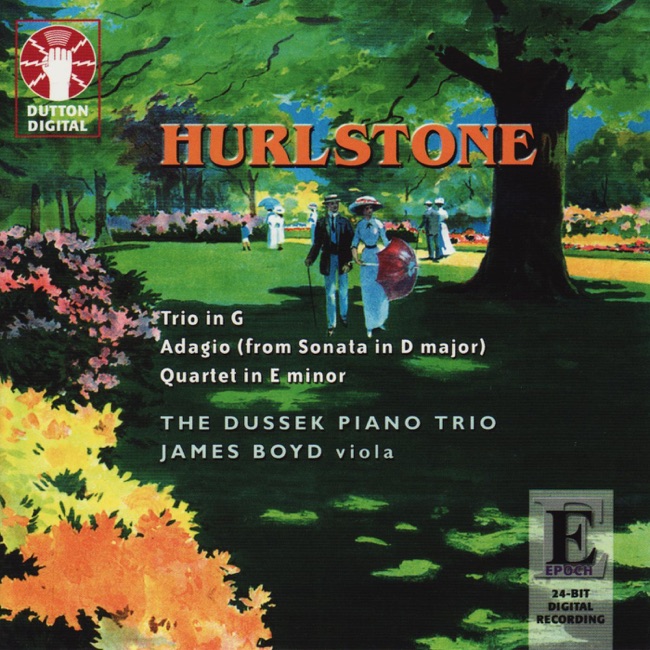
Works Info
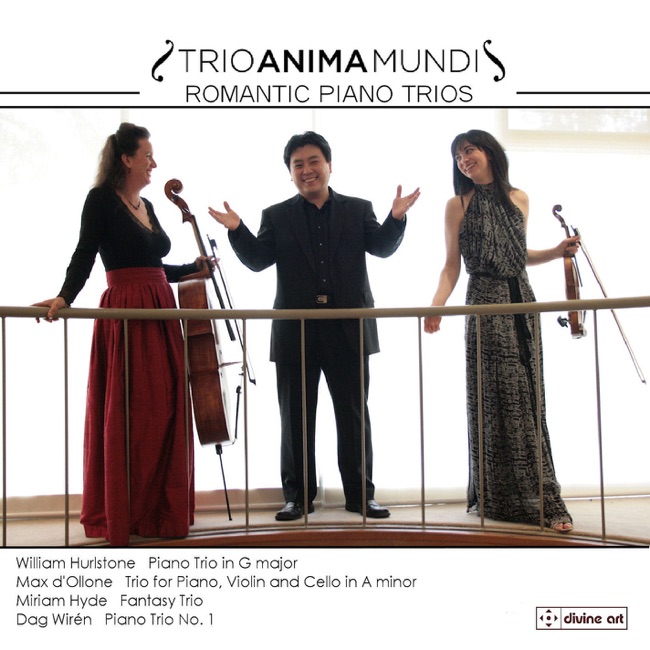
Composer:William HurlstoneGenre:ChamberStyle:Chamber MusicAverage_duration:27:17Movement_count:4Movement ....The Piano Trio in G major is a chamber music composition by the British composer William Hurlstone. It was composed in 1904, and premiered the same year at the Royal Academy of Music in London. The piece is divided into four movements, each with its own distinct character and mood. The first movement, marked Allegro moderato, opens with a lively and energetic theme played by the piano. The violin and cello then join in, creating a playful and cheerful atmosphere. The second theme is more lyrical and expressive, with the violin taking the lead. The movement features a number of intricate and virtuosic passages for all three instruments, showcasing Hurlstone's skill as a composer. The second movement, marked Andante con moto, is a slow and melancholic piece. The piano introduces a simple and haunting melody, which is then taken up by the violin and cello. The movement is characterized by its use of rich harmonies and expressive phrasing, creating a sense of longing and nostalgia. The third movement, marked Scherzo: Allegro vivace, is a lively and playful piece. The piano sets the tempo with a fast and rhythmic opening, which is then echoed by the violin and cello. The movement features a number of intricate and syncopated rhythms, creating a sense of excitement and energy. The final movement, marked Finale: Allegro con brio, is a fast and energetic piece. The piano introduces a lively and upbeat theme, which is then taken up by the violin and cello. The movement features a number of virtuosic passages for all three instruments, showcasing Hurlstone's skill as a composer. The piece ends with a triumphant and joyful coda, bringing the work to a thrilling conclusion. Overall, the Piano Trio in G major is a masterful example of chamber music composition. Hurlstone's use of rich harmonies, expressive phrasing, and virtuosic passages creates a work that is both technically challenging and emotionally engaging. The piece remains a popular choice for chamber music ensembles to this day.More....
Works Music
Released Music