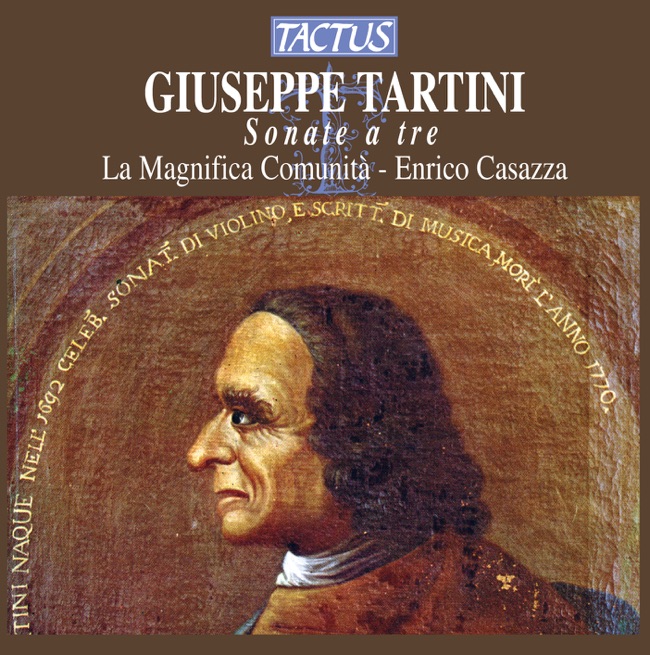
Giuseppe Tartini
Trio sonata in D major, B. D11, Op. 8/6
Released Album
Recent Album
Works Info
Composer:Giuseppe TartiniGenre:ChamberStyle:Chamber MusicPublication Date:1749Average_duration:5:23Movement_count:3Movement ....Giuseppe Tartini's Trio Sonata in D major, B. D11, Op. 8/6 is a Baroque composition for two violins and basso continuo. It was composed in the early 18th century and premiered in Venice, Italy. The piece is divided into four movements: Allegro, Adagio, Allegro, and Presto. The first movement, Allegro, is characterized by its lively and energetic tempo. The two violins engage in a playful dialogue, exchanging melodic phrases and motifs. The basso continuo provides a steady rhythmic foundation, supporting the upper voices. The second movement, Adagio, is a slow and expressive aria. The violins take turns playing the main melody, accompanied by the basso continuo. The harmonies are rich and poignant, creating a sense of emotional depth and introspection. The third movement, Allegro, returns to the lively and upbeat tempo of the first movement. The violins engage in a virtuosic display of technique, playing rapid runs and intricate ornamentation. The basso continuo provides a driving rhythm, propelling the music forward. The final movement, Presto, is a fast and frenetic dance. The violins play in unison, creating a sense of urgency and excitement. The basso continuo provides a pulsing rhythm, adding to the sense of momentum and energy. Overall, Tartini's Trio Sonata in D major is a masterful example of Baroque chamber music. The interplay between the two violins and the basso continuo is intricate and nuanced, showcasing Tartini's skill as a composer and his understanding of the capabilities of each instrument. The piece is characterized by its lively tempo, expressive melodies, and virtuosic displays of technique.More....