Franz Joseph Haydn
Baryton Trio in D major, H. 11/50
Released Album
Recent Album
Works Info
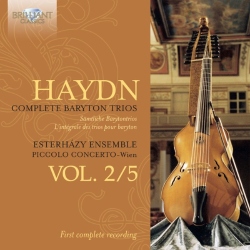
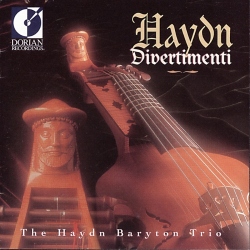
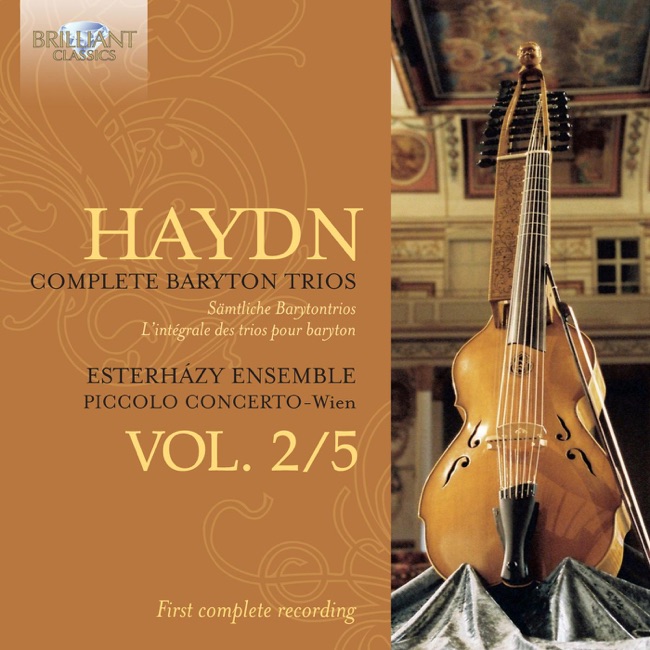
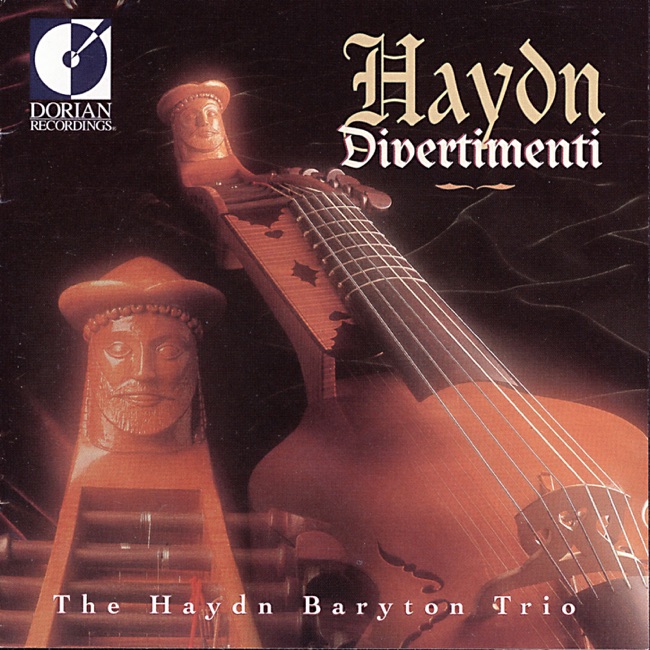
Composer:Franz Joseph HaydnGenre:ChamberStyle:Chamber MusicAverage_duration:14:13Movement_count:3Movement ....Franz Joseph Haydn's Baryton Trio in D major, H. 11/50, was composed in the late 1760s for Prince Nikolaus Esterházy, who was an avid player of the baryton, a stringed instrument similar to the viola da gamba. The piece consists of three movements: Allegro moderato, Menuetto, and Finale: Presto. The first movement, Allegro moderato, begins with a lively and energetic theme played by the baryton, accompanied by the viola and cello. The theme is then developed and passed between the three instruments, showcasing Haydn's skillful use of counterpoint and his ability to create a cohesive and balanced musical structure. The second movement, Menuetto, is a graceful and elegant dance in triple meter. The baryton takes the lead in the melody, while the viola and cello provide a delicate accompaniment. The trio section features a more playful and lively melody, before returning to the main theme. The final movement, Finale: Presto, is a fast and lively piece that showcases Haydn's sense of humor and wit. The baryton takes on a more prominent role in this movement, with its playful and virtuosic runs and trills. The viola and cello provide a solid foundation for the baryton's flights of fancy, creating a sense of excitement and energy that builds to a thrilling conclusion. Overall, Haydn's Baryton Trio in D major, H. 11/50, is a masterful example of his skill as a composer and his ability to create music that is both technically impressive and emotionally engaging. The piece premiered in the late 1760s at the Esterházy court, where it was likely performed by Prince Nikolaus and his court musicians.More....
Works Music
Released Music