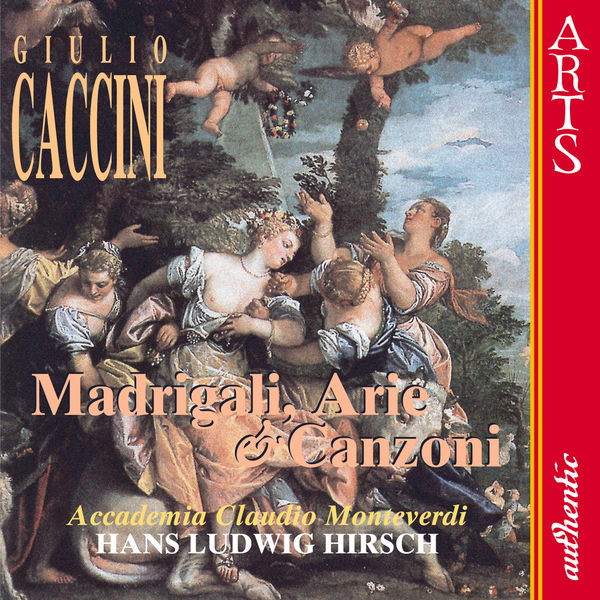
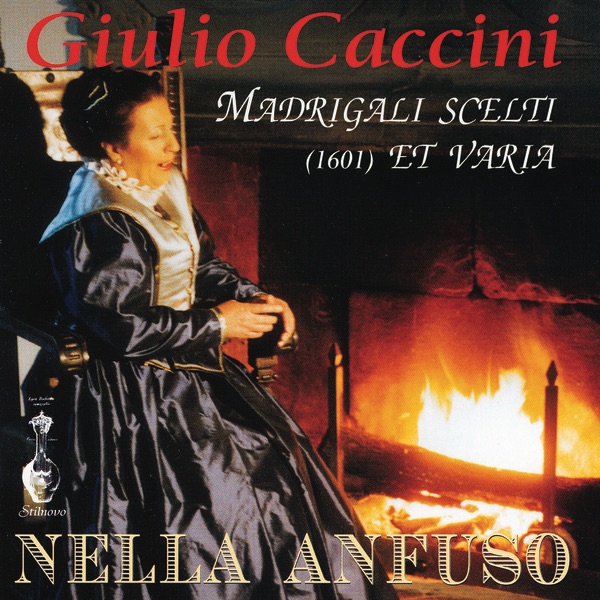
Giulio Caccini
Deh, dove son fuggiti
Released Album
Recent Album
Works Info
Composer:Giulio CacciniGenre:VocalStyle:Vocal MusicFirst Performance:1601Average_duration:2:42"Deh, dove son fuggiti" is a beautiful and melancholic aria composed by Giulio Caccini, an Italian composer, singer, and teacher of the early Baroque era. The aria was composed in the early 17th century and was first performed in Florence, Italy. The aria is part of a larger work called "Le nuove musiche," which is a collection of solo songs and instrumental pieces that were composed in the new style of monody. Monody is a style of music that features a single melody line with simple accompaniment, and it was a departure from the polyphonic style of the Renaissance. "Deh, dove son fuggiti" is a solo aria for a soprano voice, and it is written in the key of G minor. The aria is in a slow tempo and has a simple accompaniment of a lute or a harp. The melody is hauntingly beautiful and is characterized by long, flowing phrases and expressive ornamentation. The text of the aria is a lament for lost love, and it expresses the pain and longing of the speaker. The first line of the aria, "Deh, dove son fuggiti i bei momenti," translates to "Oh, where have the beautiful moments fled?" The speaker is mourning the loss of a past love and is searching for a way to recapture the happiness that was once shared. The aria is divided into three sections, each with its own distinct mood and character. The first section is slow and mournful, with long, sustained notes and expressive ornamentation. The second section is more agitated and features faster, more complex melodic lines. The final section returns to the slow, mournful character of the opening, with a final plea for the return of the lost love. Overall, "Deh, dove son fuggiti" is a beautiful example of the monodic style of the early Baroque era. It features a simple melody line with expressive ornamentation and a poignant text that expresses the pain and longing of lost love. The aria has remained popular to this day and is frequently performed by sopranos and other vocalists.More....
Works Music