


Johann Nepomuk Hummel
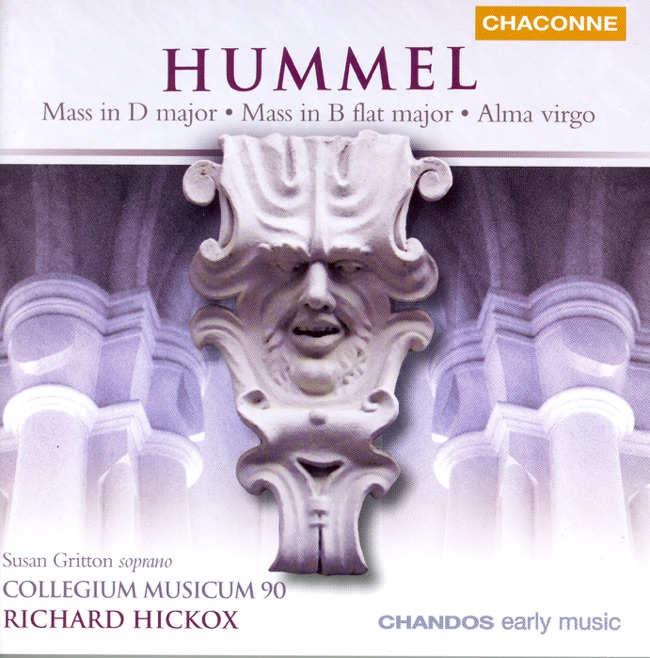
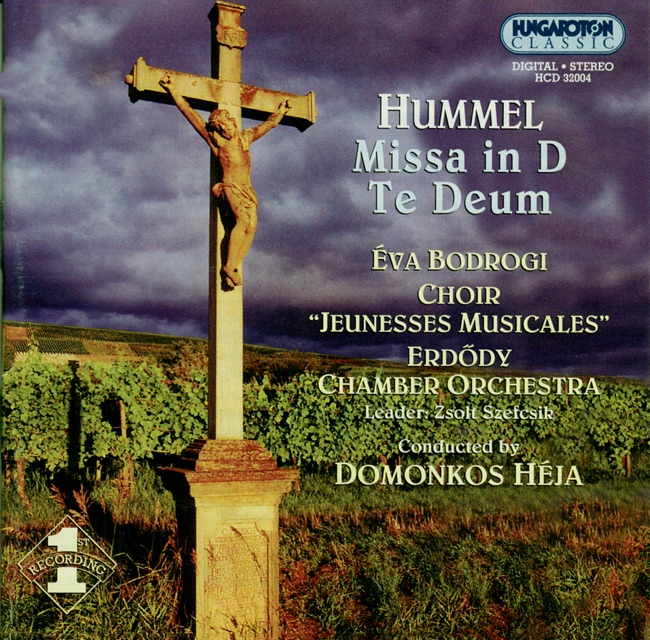
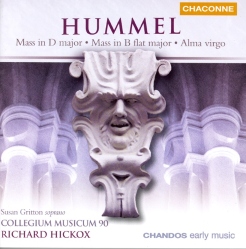
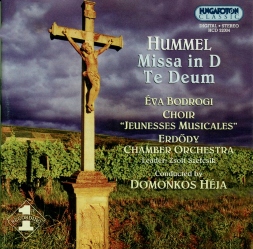
Mass in D major, Op. 111
Released Album
Recent Album
Works Info
Composer:Johann Nepomuk HummelGenre:ChoralStyle:MassCompose Date:May 1808Publication Date:ca. 1830Average_duration:38:28Movement_count:11Movement ....Johann Nepomuk Hummel's Mass in D major, Op. 111, was composed in 1805 and premiered in the same year in the Bergkirche in Eisenstadt, Austria. The mass is divided into six movements: Kyrie, Gloria, Credo, Sanctus, Benedictus, and Agnus Dei. The Kyrie begins with a solemn and prayerful choral introduction, followed by a fugue that showcases Hummel's skill in counterpoint. The Gloria is a joyful and exuberant movement, featuring a lively choral section and a solo quartet. The Credo is the longest movement of the mass, with a variety of musical styles and moods, including a dramatic choral section and a lyrical solo for the tenor. The Sanctus is a bright and celebratory movement, with a soaring choral melody and a jubilant Hosanna section. The Benedictus is a gentle and peaceful movement, featuring a beautiful solo for the soprano. The Agnus Dei is a solemn and contemplative movement, with a haunting choral melody and a plaintive solo for the alto. Hummel's Mass in D major is characterized by its rich harmonies, intricate counterpoint, and expressive melodies. The mass showcases Hummel's mastery of both choral and instrumental writing, with the orchestra providing a rich and varied accompaniment to the vocal parts. The mass is also notable for its use of soloists, who are given ample opportunity to shine throughout the work. Overall, Hummel's Mass in D major, Op. 111, is a beautiful and expressive work that showcases the composer's skill in both choral and instrumental writing. Its rich harmonies, intricate counterpoint, and expressive melodies make it a true masterpiece of the classical repertoire.More....
Works Music
Released Music
1
3:39
2
5:15
Main Perform Artists