Kurt Weill
Konjunktur
Released Album
Recent Album
Works Info
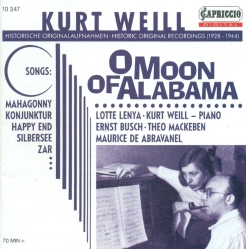
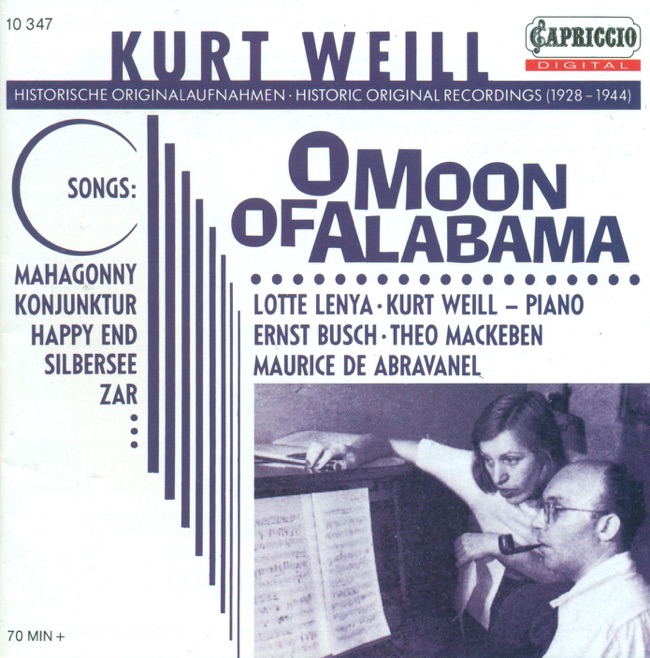
Composer:Kurt WeillGenre:OrchestralStyle:OrchestralCompose Date:Mar 1928First Performance:Apr 8, 1928Konjunktur is a musical composition by Kurt Weill, a German composer who is known for his contributions to the development of modern musical theatre. The piece was composed in 1928, during a time of economic instability in Germany, and premiered in Berlin on October 4th of the same year. Konjunktur is a suite of five movements, each of which reflects a different aspect of the economic climate of the time. The first movement, titled "Die neue Wohnung" (The New Apartment), is a lively and upbeat piece that celebrates the idea of moving into a new home. The second movement, "Die neue Steuer" (The New Tax), is a more somber piece that reflects the burden of increased taxes on the working class. The third movement, "Der neue Anzug" (The New Suit), is a satirical piece that pokes fun at the idea of keeping up with fashion trends in a time of economic hardship. The fourth movement, "Der neue Tanz" (The New Dance), is a playful piece that celebrates the joy of dancing as a form of escape from the stresses of daily life. The final movement, "Das neue Lied" (The New Song), is a reflective piece that looks back on the struggles of the past and looks forward to a brighter future. Throughout the suite, Weill employs a variety of musical styles, including jazz, cabaret, and classical music, to create a unique and eclectic sound. Overall, Konjunktur is a powerful reflection of the economic and social climate of Germany in the late 1920s. Through its use of satire, humor, and reflection, the piece captures the struggles and hopes of the working class during a time of great uncertainty and change.More....