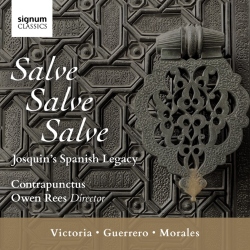
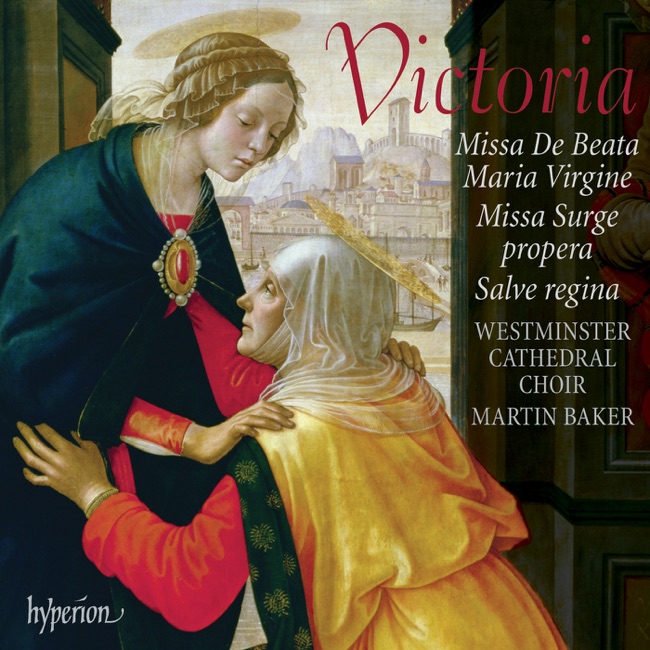
Tomás Luis de Victoria
Salve regina, antiphon for 5 voices
Released Album
Recent Album
Featured Album
Works Info
Composer:Tomás Luis de VictoriaGenre:ChoralStyle:ChoralCompose Date:1576Average_duration:3:47Tomás Luis de Victoria was a Spanish composer of the Renaissance period, known for his sacred music. One of his most famous works is the "Salve Regina," an antiphon for five voices. This piece was composed in the late 16th century and premiered in Madrid, Spain. The "Salve Regina" is a Marian antiphon, a hymn dedicated to the Virgin Mary. It is traditionally sung during the evening prayer service, or Vespers, in the Catholic Church. Victoria's setting of the "Salve Regina" is written for five voices, with two sopranos, alto, tenor, and bass. The piece is in Latin and is divided into four movements. The first movement begins with a simple, yet powerful, statement of the text "Salve Regina." The voices enter one by one, building to a full five-part texture. The music is characterized by smooth, flowing lines and rich harmonies. The second movement is a duet between the two sopranos. They sing the text "Ad te clamamus," which means "to you we cry." The music is more ornate and expressive, with intricate melodic lines and chromatic harmonies. The third movement is a solo for the alto voice. She sings the text "Eia ergo, advocata nostra," which means "therefore, our advocate." The music is more subdued and introspective, with a gentle, lilting rhythm. The final movement is a full choir setting of the text "O clemens, o pia, o dulcis Virgo Maria," which means "O merciful, O loving, O sweet Virgin Mary." The music is joyful and celebratory, with lively rhythms and bright harmonies. Overall, Victoria's "Salve Regina" is a masterpiece of Renaissance sacred music. Its rich harmonies, expressive melodies, and intricate textures make it a timeless work of art.More....
Works Music
Released Music
Featured Music