


Johann David Heinichen
Concerto for 2 flutes, 2 oboes, 2 bassoons, violin, 2 cellos, strings & continuo in F Major
Released Album
Recent Album
Works Info
Composer:Johann David HeinichenGenre:ConcertoStyle:ConcertoAverage_duration:7:14Movement_count:3Movement ....Johann David Heinichen's Concerto for 2 flutes, 2 oboes, 2 bassoons, violin, 2 cellos, strings & continuo in F Major was composed in the early 18th century. The exact date of composition is unknown, but it is believed to have been written during Heinichen's time as Kapellmeister at the court of the Elector of Saxony in Dresden. The concerto is divided into three movements: Allegro, Largo, and Allegro. The first movement is a lively and energetic Allegro, featuring the two flutes and two oboes in a playful dialogue with the rest of the ensemble. The second movement, Largo, is a slow and expressive piece that showcases the solo violin and two cellos. The final movement, Allegro, returns to the lively and energetic style of the first movement, with all the instruments coming together in a joyful and celebratory finale. One of the most notable characteristics of Heinichen's concerto is its use of the concerto grosso form, which was popular in the Baroque era. This form features a small group of soloists (in this case, the two flutes, two oboes, violin, and two cellos) who are accompanied by a larger ensemble (the strings and continuo). The soloists and ensemble often engage in a call-and-response style of playing, with the soloists taking turns playing virtuosic passages and the ensemble providing a supportive backdrop. Heinichen's concerto also features a number of other Baroque-era characteristics, including the use of counterpoint, ornamentation, and a strong sense of rhythm and harmony. The concerto is a testament to Heinichen's skill as a composer and his ability to create music that is both technically impressive and emotionally engaging.More....
Works Music
Released Music
1
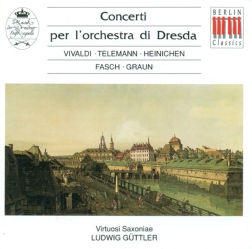
Concerto for 2 flutes, 2 oboes, 2 bassoons, violin, 2 cellos, strings & continuo in F Major
3. (without tempo designation)
2:29
2
2:34
3
2:34
4
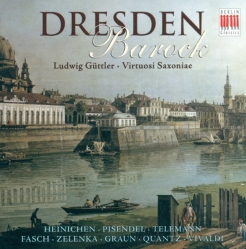
2:33