Dietrich Buxtehude
Toccata for organ in D minor, BuxWV 155
Released Album
Recent Album
-
-
-
-
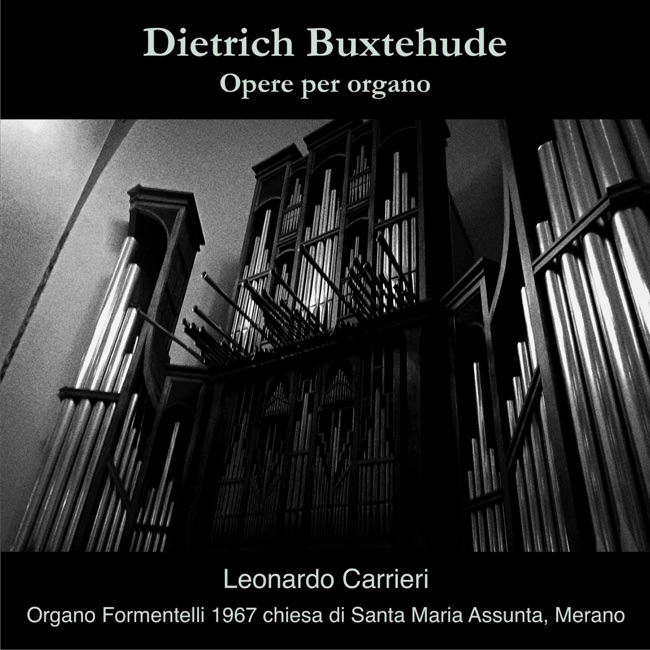 Leonardo CarrieriAugust 22, 2020
 -
-
-
-
-
-
-
-
Featured Album
Works Info
Composer:Dietrich BuxtehudeGenre:KeyboardStyle:ToccataCompose Date:ca. 1690Average_duration:7:21Dietrich Buxtehude's Toccata for organ in D minor, BuxWV 155, is a masterpiece of the Baroque era. It was composed in the late 17th century and is one of Buxtehude's most famous works. The piece is written for the organ and is known for its virtuosic and improvisatory style. The Toccata for organ in D minor, BuxWV 155, was likely composed in the 1680s or 1690s. Buxtehude was the organist at the Marienkirche in Lübeck, Germany, and it is believed that he wrote this piece for use in his own performances. The piece is in four movements, each with its own distinct character. The first movement is marked "Praeludium" and is a grand and majestic introduction to the piece. It begins with a series of chords that build in intensity, leading to a virtuosic passage that showcases the organ's capabilities. The movement is characterized by its use of counterpoint and its complex harmonies. The second movement is marked "Fuga" and is a fugue in D minor. It is a complex and intricate piece that showcases Buxtehude's skill as a composer. The movement is characterized by its use of imitative counterpoint and its intricate melodic lines. The third movement is marked "Adagio" and is a slow and contemplative piece. It is a stark contrast to the previous movements and is characterized by its use of simple harmonies and its expressive melodies. The final movement is marked "Ciacona" and is a chaconne in D minor. It is a lively and energetic piece that showcases Buxtehude's skill as an improviser. The movement is characterized by its use of a repeating bass line and its virtuosic passages. Overall, the Toccata for organ in D minor, BuxWV 155, is a masterpiece of the Baroque era. It is characterized by its virtuosic and improvisatory style, its use of counterpoint and complex harmonies, and its expressive melodies. The piece premiered in the late 17th century and continues to be performed and admired by musicians and audiences today.More....
Works Music
Released Music
2
8:8
4
7:51
8
8:49
Featured Music