Carl Stamitz
Quartet for oboe & strings in D major, Op. 8
Released Album
Recent Album
Works Info
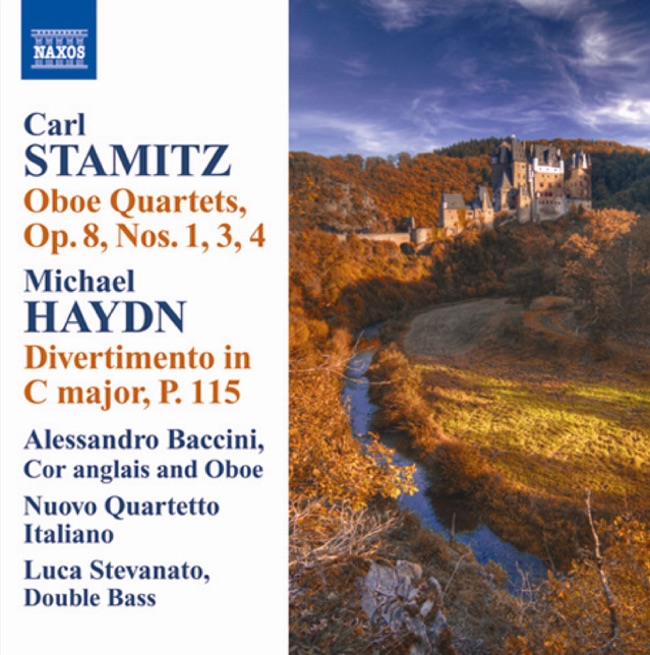
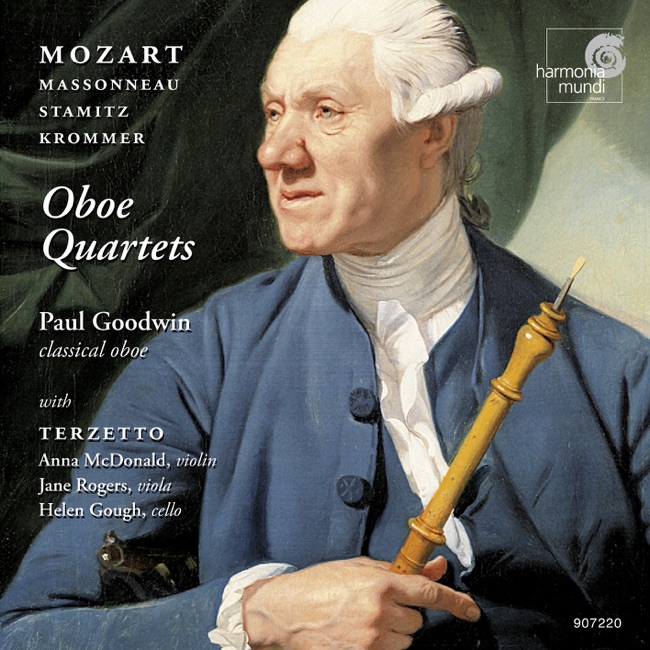
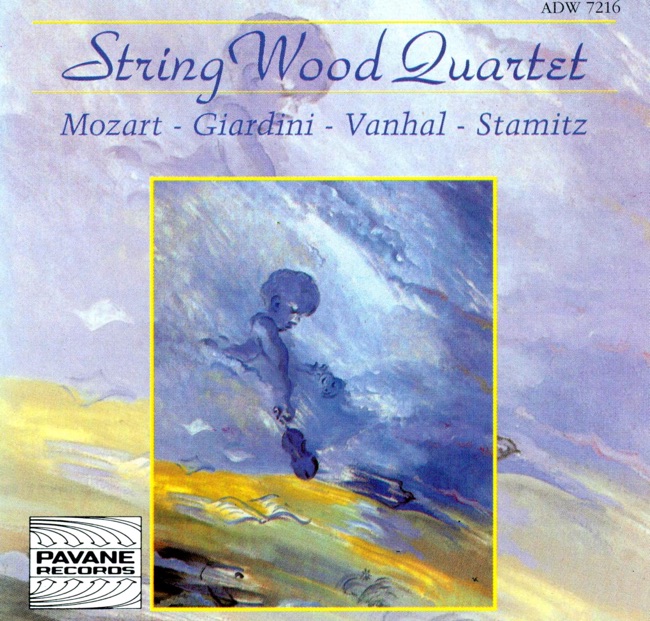
Composer:Carl StamitzGenre:ChamberStyle:QuartetAverage_duration:14:43The Quartet for oboe & strings in D major, Op. 8, was composed by Carl Stamitz, a German composer and violinist of the classical era. The piece was composed in the late 18th century, around 1770, and premiered in Mannheim, Germany. The quartet consists of three movements: 1. Allegro moderato 2. Adagio 3. Rondo: Allegretto The first movement, Allegro moderato, is in sonata form and begins with a lively and energetic theme played by the oboe. The strings then join in with a more subdued accompaniment, creating a sense of contrast between the two sections. The development section explores the themes further, with the oboe and strings trading off melodies and motifs. The movement ends with a recapitulation of the main theme, bringing the piece full circle. The second movement, Adagio, is a slow and lyrical piece that showcases the oboe's expressive capabilities. The strings provide a gentle and delicate accompaniment, allowing the oboe to soar above with its rich and warm tone. The movement is in a simple ABA form, with the oboe returning to the opening theme after a brief interlude. The final movement, Rondo: Allegretto, is a lively and playful piece that features a catchy and memorable theme. The oboe and strings trade off the melody, with each section adding their own embellishments and variations. The movement is in a simple ABACABA form, with the central section providing a moment of contrast before returning to the main theme. Overall, the Quartet for oboe & strings in D major, Op. 8, is a charming and delightful piece that showcases the talents of both the oboe and the string quartet. The piece is characterized by its lively and energetic themes, its expressive and lyrical moments, and its playful and memorable melodies.More....
Works Music
Released Music