Henry VIII, King of England
It Is to Me a Ryght Gret Joy
Released Album
Recent Album
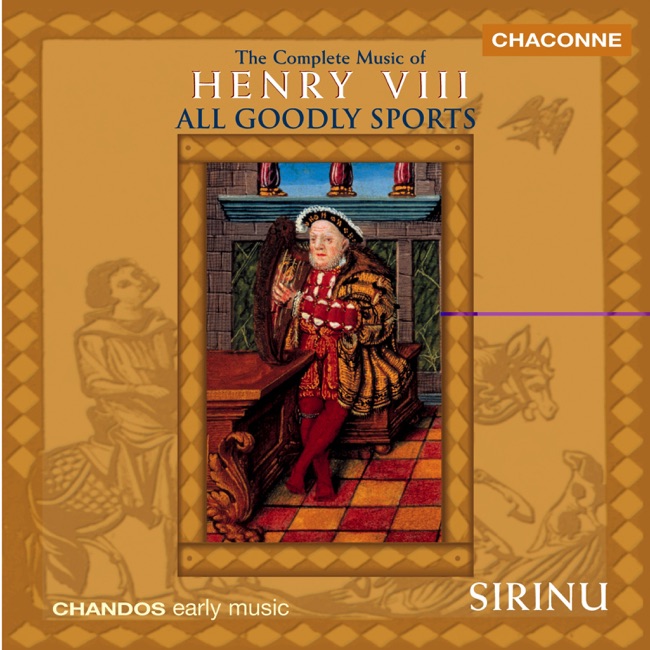
Featured Album
Works Info
Composer:Henry VIII, King of EnglandGenre:VocalStyle:Part SongAverage_duration:1:17"It Is to Me a Ryght Gret Joy" is a choral work composed by Henry VIII, King of England, in the early 16th century. The exact date of composition is unknown, but it is believed to have been written around 1515-1520. The piece was likely composed for the Chapel Royal, where Henry VIII was known to have been an active musician and composer. The work is written in four parts, with the text in English. It is a relatively short piece, with a duration of around two minutes. The piece is characterized by its simple, homophonic texture, with all four parts singing the same melody at the same time. The harmonies are also relatively simple, with mostly diatonic chords and occasional use of suspensions. The text of the piece is a celebration of the birth of a child, likely a reference to the birth of Henry VIII's son, Prince Henry, in 1511. The opening line, "It is to me a ryght gret joy / To syng this songe full meryly," sets the tone for the piece, which is joyful and celebratory throughout. The text also includes references to the Nativity, with lines such as "This day to us is born a child / Of Mary meke and myld." The piece is notable for its use of word painting, particularly in the final phrase, "And evermore to syng / Gloria in excelsis Deo." The word "syng" is repeated several times, with each repetition getting higher in pitch, culminating in a high, joyful "Gloria in excelsis Deo." "It Is to Me a Ryght Gret Joy" is a relatively simple piece, but it is a charming example of early English choral music. Its joyful text and simple harmonies make it a popular choice for Christmas concerts and other festive occasions.More....
Works Music