Francisco de Peñalosa
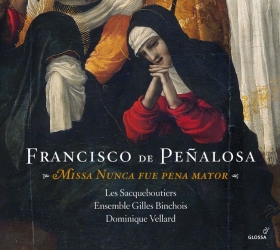
Missa Nunca fué pena mayor
Released Album
Recent Album
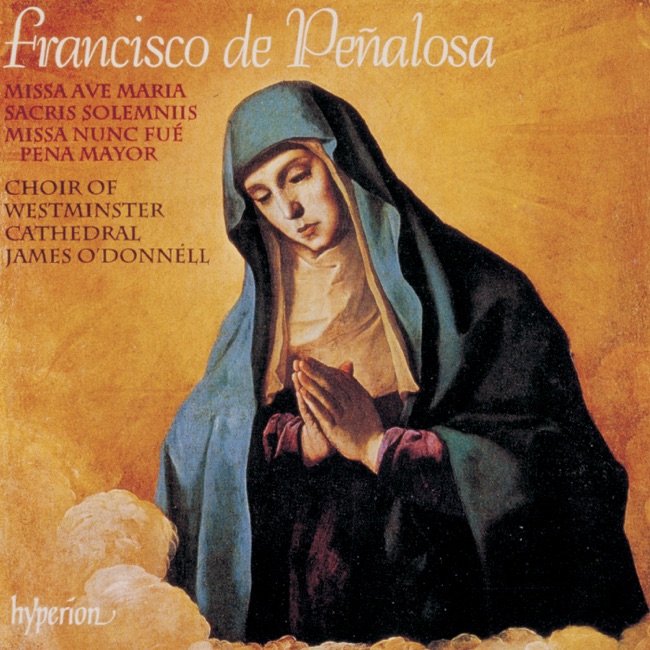
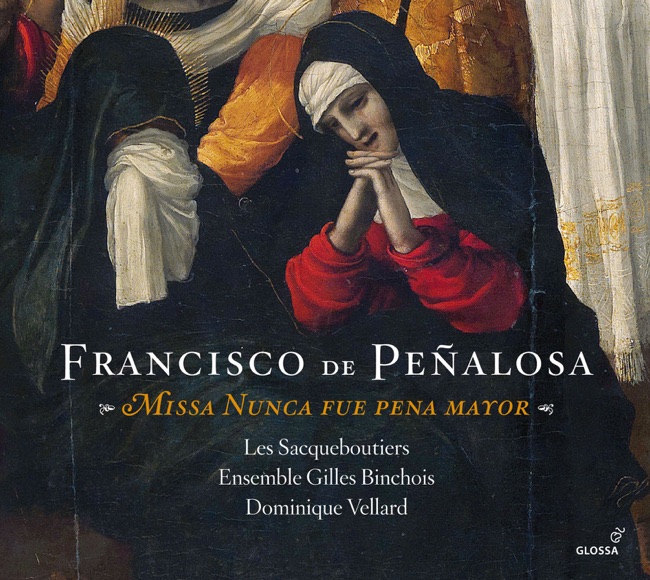
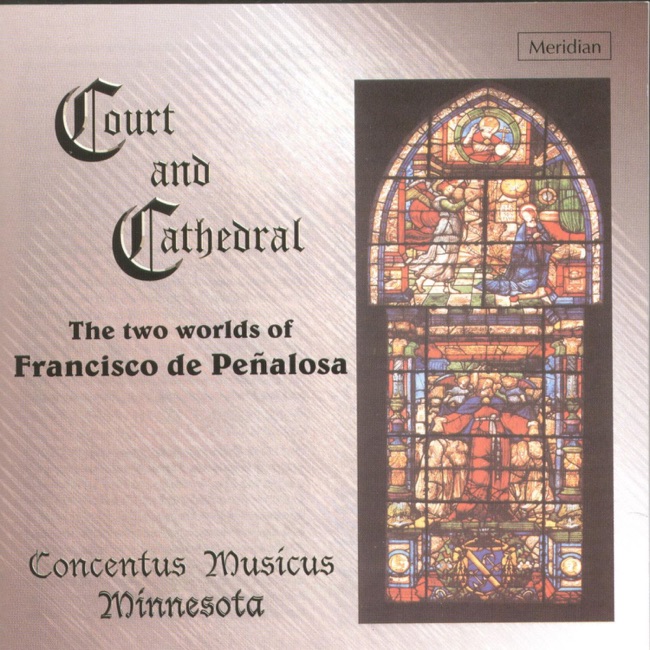
Works Info
Composer:Francisco de PeñalosaGenre:ChoralStyle:MassAverage_duration:25:09Movement_count:5Movement ....Francisco de Peñalosa was a Spanish composer of the Renaissance period, born in 1470 in Talavera de la Reina. He was a prominent figure in the Spanish court and was known for his sacred music compositions. One of his most famous works is the 'Missa Nunca fué pena mayor', which was composed in the early 16th century. The 'Missa Nunca fué pena mayor' is a six-voice mass that was composed for the Catholic liturgy. It is believed to have been written for the funeral of Queen Isabella of Castile, who died in 1504. The mass is based on a popular Spanish song of the time, which translates to "Never was there greater sorrow." The text of the mass is in Latin and follows the traditional structure of the Catholic mass. The mass is divided into six movements, each of which is based on a different section of the Catholic liturgy. The first movement is the Kyrie, which is a plea for mercy. The second movement is the Gloria, which is a hymn of praise. The third movement is the Credo, which is a statement of faith. The fourth movement is the Sanctus, which is a hymn of praise. The fifth movement is the Agnus Dei, which is a plea for mercy. The final movement is the Ite, missa est, which is a dismissal. The 'Missa Nunca fué pena mayor' is known for its complex polyphonic textures and rich harmonies. Peñalosa uses a variety of musical techniques, such as imitation and canon, to create a sense of unity and coherence throughout the mass. The mass is also notable for its use of dissonance, which was a common feature of Renaissance music. The 'Missa Nunca fué pena mayor' premiered in the early 16th century, and it quickly became one of Peñalosa's most famous works. It was widely performed throughout Spain and other parts of Europe, and it influenced many other composers of the time. Today, it is still considered to be one of the most important works of the Spanish Renaissance.More....
Works Music
Released Music