


Francisco de Peñalosa
Released Album
Choral
-
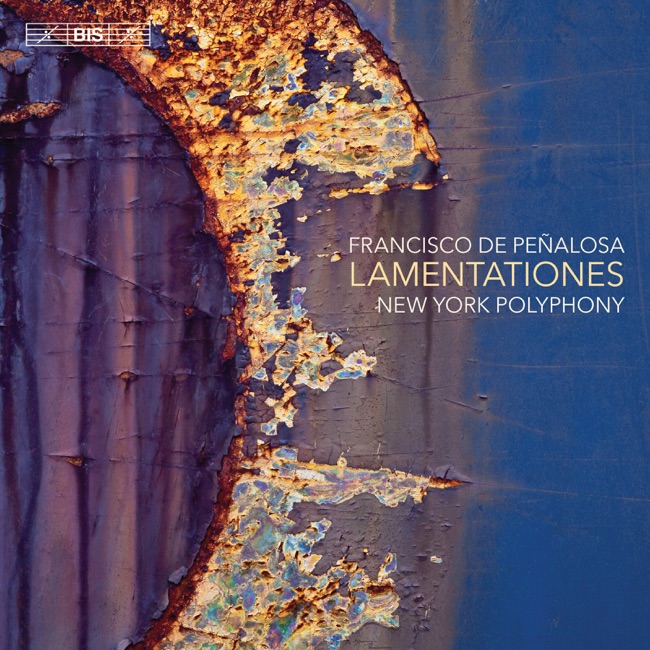 September 6, 2019
 -
-
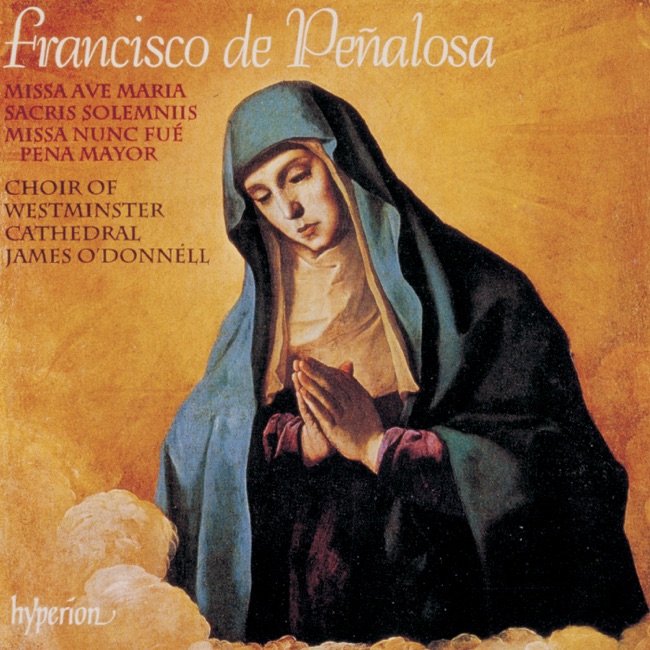
-
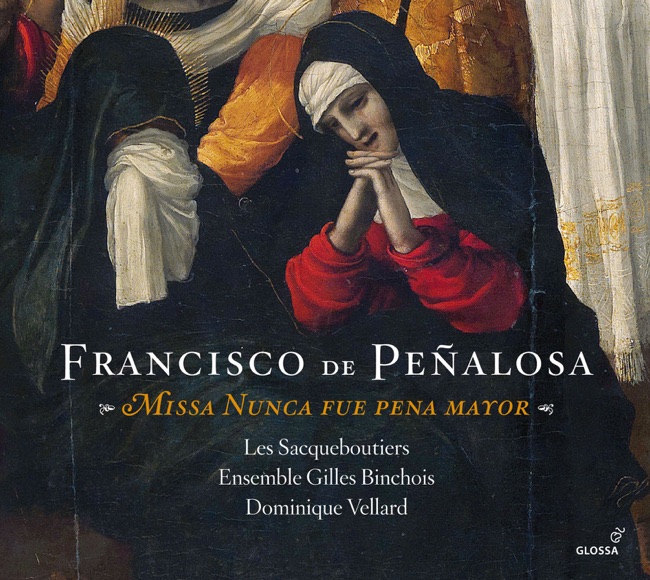 May 30, 2011
 -
 January 10, 2011
 -
 February 23, 2010
Miscellaneous
-
 July 11, 2000
Artist Info
Role:ComposerCountry: SpainBirth:1470Death:1528Period:RenaissanceGenre:ChoralFrancisco de Peñalosa was a Spanish composer of the Renaissance period, born in 1470 in Talavera de la Reina, a town in the province of Toledo. He was a member of a family of musicians, and his father, Juan de Peñalosa, was a composer and singer at the royal chapel of Ferdinand and Isabella. Francisco de Peñalosa received his musical education from his father and later became a singer at the royal chapel himself. Peñalosa's career as a composer began in the early 1490s, when he was appointed as the maestro de capilla (chapel master) at the cathedral of Jaén. He held this position until 1498, when he moved to the cathedral of Cuenca, where he remained until 1500. During this time, he composed a number of sacred works, including masses, motets, and hymns, which were performed at the cathedrals where he worked. In 1500, Peñalosa was appointed as the maestro de capilla at the royal chapel in Madrid, where he remained until his death in 1528. This was a prestigious position, and Peñalosa was responsible for composing music for the royal court and for the various religious ceremonies that took place there. He was also responsible for training the choir and for selecting the music that was performed. Peñalosa's music is characterized by its rich harmonies, complex polyphony, and expressive melodies. He was particularly skilled at setting texts in a way that emphasized their meaning, and his music often features dramatic contrasts between different sections. His works are also notable for their use of chromaticism, which was a relatively new technique at the time. One of Peñalosa's most famous works is his Missa Ave Maria, which is a setting of the Ordinary of the Mass. This work is notable for its use of a cantus firmus, which is a pre-existing melody that is used as the basis for the composition. In this case, the cantus firmus is the plainchant melody of the Ave Maria, which is used as the basis for the entire mass. Peñalosa's setting of the Ave Maria is particularly beautiful, and it is often performed as a standalone work. Another notable work by Peñalosa is his Lamentations for Holy Week, which is a setting of the biblical text that describes the mourning of the Virgin Mary after the crucifixion of Jesus. This work is notable for its use of chromaticism, which creates a sense of tension and sadness. The Lamentations are often performed during Holy Week, and they are considered to be one of Peñalosa's most powerful works. Peñalosa also composed a number of motets, which are sacred choral works that are typically based on a biblical text. One of his most famous motets is his setting of the text O sacrum convivium, which is a hymn of praise to the Eucharist. This work is notable for its use of rich harmonies and expressive melodies, and it is often performed as part of a larger choral program. In addition to his sacred works, Peñalosa also composed a number of secular pieces, including villancicos, which are Spanish songs that were popular during the Renaissance period. One of his most famous villancicos is his setting of the text Si la noche haze escura, which is a love song that features a lively rhythm and a catchy melody. Peñalosa's music was highly regarded during his lifetime, and he was considered to be one of the most important composers of his time. His works were performed throughout Spain and were also known in other parts of Europe.More....
Recent Artist Music
2
9:25
3
1:26
5
1:43


Copyright Ⓒ 2013 Davinci Finger. All rights reseved
Service Terms & Policy